
Short Answer
Introduction to Tooth Loss Symbolism
Dreams often weave a complex tapestry of emotions, experiences, and subconscious thoughts, serving as a mirror to the depths of the human psyche. Among the most recurring and visceral dream symbols is the phenomenon of losing a tooth. This image frequently evokes a strong emotional response upon waking, prompting individuals to seek a deeper understanding of its significance.
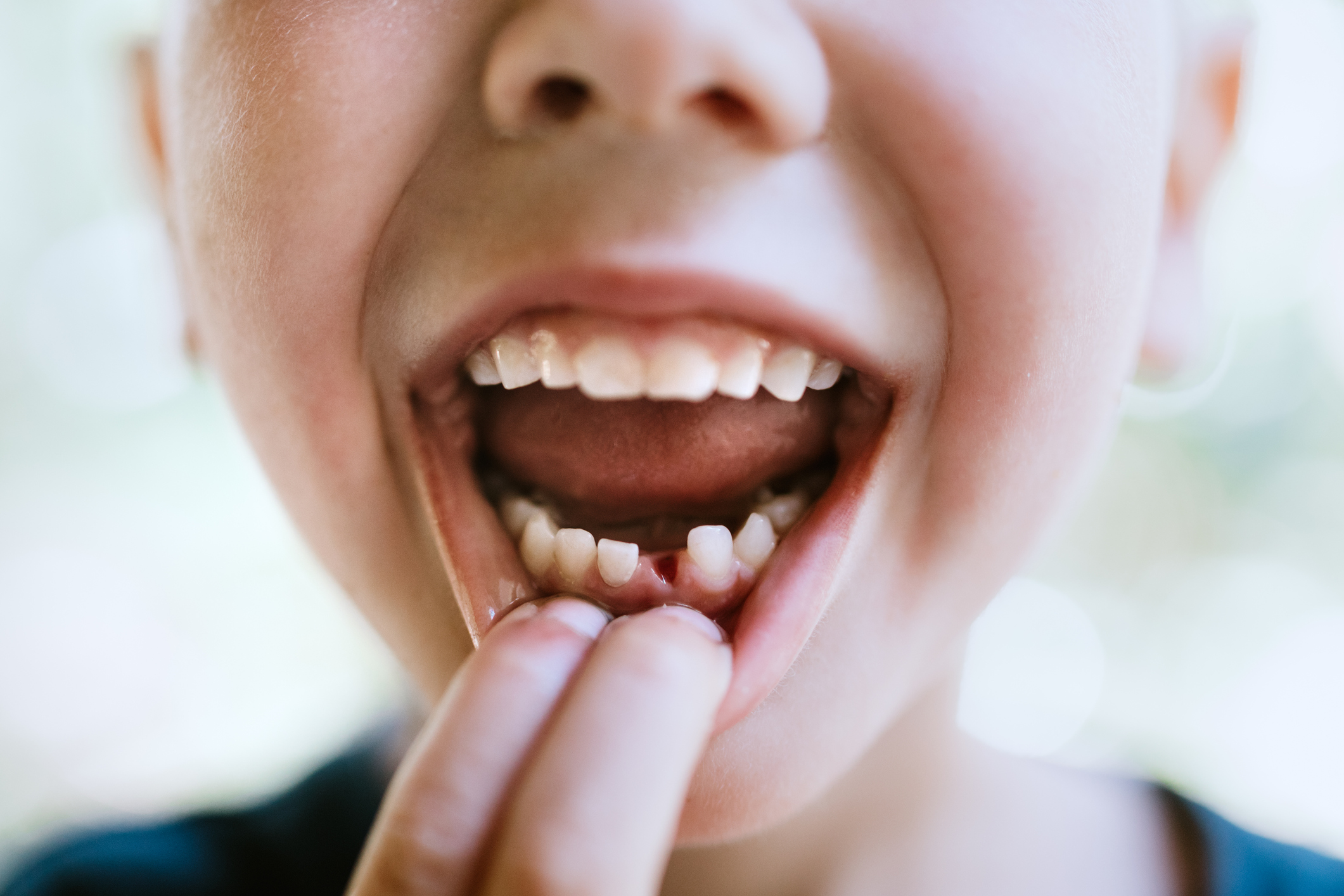
The act of losing a tooth in a dream is rarely about dental health; instead, it typically functions as a metaphor for vulnerability, transition, and the internal struggle for control. By examining this symbol through psychological, spiritual, and cultural lenses, we can uncover a nuanced perspective on what our minds are attempting to communicate.
Psychological Interpretations
From a psychological standpoint, teeth are fundamental to both our survival (functionality) and our social presentation (appearance). Consequently, their loss in a dream often correlates with a perceived loss of power or stability.
The Psychodynamic Perspective
Early psychological theories, most notably those of Sigmund Freud, suggest that dreams reveal repressed desires or unresolved conflicts. In this context, losing a tooth may signify:
- Anxiety over Aging: A fear of mortality or the loss of youth and vitality.
- Childhood Trauma: The surfacing of unresolved conflicts from early developmental stages.
- Loss of Control: A manifestation of helplessness in the face of overwhelming life circumstances.
The Jungian Approach
Carl Jung’s perspective emphasizes the concept of archetypes and internal growth. To a Jungian analyst, dreaming of losing teeth may represent a transition or a “metamorphosis.” Much like a child loses baby teeth to make room for permanent ones, these dreams may symbolize the shedding of an old identity to make way for a more mature version of the self.
Cultural and Spiritual Dimensions
The meaning of tooth loss varies significantly across different global traditions, reflecting the unique values and beliefs of each society.
Religious Perspectives
| Tradition | Common Interpretation | Core Theme |
|---|---|---|
| Christianity | Metaphor for purification or rebirth. | Spiritual Renewal |
| Islamic Teachings | Potential harbinger of misfortune or family loss. | Transience & Resilience |
Societal and Folk Beliefs
In many cultures, teeth are emblems of self-esteem and social standing. The loss of a tooth may therefore signal anxieties regarding societal perceptions or a fear of inadequacy. In some traditions, this specific dream is viewed as a catalyst for communication, suggesting that the dreamer has an urgent, unfulfilled need to express suppressed emotions or speak their truth more openly.
The Neuroscience of Dreaming
Modern neuroscience suggests that dreams play a critical role in processing emotional burdens and consolidating memories. When the brain simulates the loss of a tooth, it may not be predicting a physical event but rather reflecting latent anxiety present in the dreamer’s waking life.
“The image of losing a tooth can serve as a poignant reminder of our mortality, prompting deeper considerations of our personal narratives and identities.”
Conclusion: The Metaphorical Compass
Ultimately, dreaming of losing a tooth acts as a metaphorical compass, guiding the individual through a labyrinth of vulnerability and epiphany. Whether interpreted as a sign of stress, a call for spiritual renewal, or a marker of personal growth, these dreams encourage us to confront the ambiguities of our existence.
By synthesizing these diverse interpretations, we can embrace our dreams as a source of wisdom, fostering a life lived more authentically by acknowledging the profound duality of loss and renewal.
FAQ
Does dreaming of losing teeth mean I will actually lose them?
No, in the vast majority of cases, these dreams are symbolic and relate to emotional states rather than physical health.
Why do I feel so much panic during these dreams?
The visceral nature of the dream reflects the intensity of the underlying anxiety or the feeling of losing control in your waking life.
Is this a common dream?
Yes, losing teeth is one of the most common dream themes reported globally across various cultures.


Leave a Reply