
Short Answer
Introduction to Divine Imagery in Dreams
Throughout human history, the portrayal of Jesus Christ in art has served as a powerful medium for emotional and spiritual expression. When these artworks transition from the physical gallery to the dream realm, they often function as conduits for profound meaning, engaging the dreamer on psychological, spiritual, and symbolic levels. To understand the significance of dreaming about Jesus paintings, one must examine the intersection of faith, art, and the subconscious mind.
Common Interpretations of Jesus Paintings in Dreams
When a painting of Jesus appears in a dream, it typically transcends the mere image of a canvas, representing deeper internal states. Depending on the context of the dream, these images can signify several key themes:
- Hope and Redemption: Such imagery often emerges during periods of personal turmoil or transformation, serving as a reminder of a moral compass and the possibility of renewal.
- Divine Guidance: The presence of these paintings may indicate a subconscious yearning for direction or a search for answers during times of distress.
- Reconciliation: Psychologically, these dreams may reflect a desire for inner peace or the resolution of long-standing conflicts.
The Biblical and Spiritual Lens
From a theological perspective, the symbolism in Jesus paintings is deeply rooted in the core tenets of Christianity. In these dreams, the imagery often reflects the embodiment of divine love and sacrifice. Key visual themes include:
| Visual Theme | Spiritual Significance |
|---|---|
| The Crucifixion | Sacrifice, atonement, and the burden of human suffering. |
| The Resurrection | Victory over death, hope, and eternal life. |
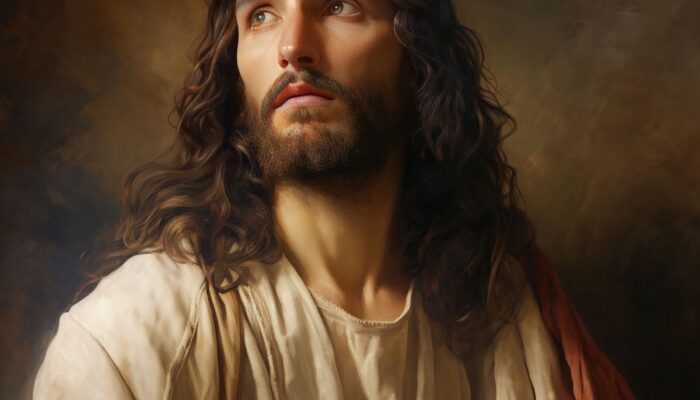
| Serene Countenance | Comfort, peace, and strength in the face of adversity. |
These portrayals act as visual narratives that communicate lessons of forgiveness and grace, offering the dreamer a sense of spiritual security.
Cross-Cultural and Psychological Perspectives
Cultural Variations in Representation
The interpretation of these dreams can shift based on the dreamer’s cultural background. For instance, in Islamic tradition, Jesus (known as Isa) is highly revered, yet figurative depictions are generally avoided in favor of calligraphy. Consequently, dreaming of a painting of Jesus within an Islamic context may be interpreted as a reflection on prophecy, compassion, and the shared values that unite the Abrahamic faiths.
Jungian Archetypes and the Collective Unconscious
From a psychological standpoint, the figure of Jesus in art resonates with the collective unconscious, as described by Carl Jung. He often appears as the Archetype of the Savior or the Healer. When this archetype manifests in a dream, it may prompt the individual to:
- Explore their own inner landscapes for healing.
- Confront inner demons or unresolved feelings of shame.
- Initiate a journey toward psychological wholeness and integration.
Symbolism and Intellectual Frameworks
The Duality of Light and Shadow
Many religious paintings utilize techniques such as chiaroscuro (the contrast between light and dark) to create depth. In the dream state, this duality can represent the struggle between good and evil or the material and the spiritual. The emergence of light from darkness within a painting often serves as a metaphor for enlightenment following a period of trial.
The Logic of Spiritual Seeking
Applying the framework of syllogism—a logical conclusion drawn from two premises—one can analyze the intellectual impact of these images. For example: If Jesus represents the pinnacle of divine love, and the dreamer is in search of love, then the subconscious directs the dreamer toward the image of Jesus. This logical progression suggests that engaging with such imagery can lead to personal growth and deeper spiritual insights.
Conclusion
The dream meanings associated with Jesus paintings provide a rich tapestry for exploration. These images are not merely static representations but are dynamic touchstones for spiritual reflection and psychological transformation. Whether viewed through the lens of faith, psychology, or art history, they invite the dreamer toward a path of greater understanding, reconciliation, and inner peace.
FAQ
What does it mean to see a painting of Jesus in a dream?
It often symbolizes a need for guidance, a desire for spiritual healing, or a subconscious reminder of hope and redemption.
Why do these paintings appear in dreams for non-religious people?
From a Jungian perspective, Jesus can act as a universal archetype of the 'Healer' or 'Savior,' representing the human desire for wholeness regardless of specific faith.
Does the style of the painting matter in the dream?
Yes; for example, a painting with strong light and shadow (chiaroscuro) may represent the struggle between despair and hope.






Leave a Reply