
Short Answer
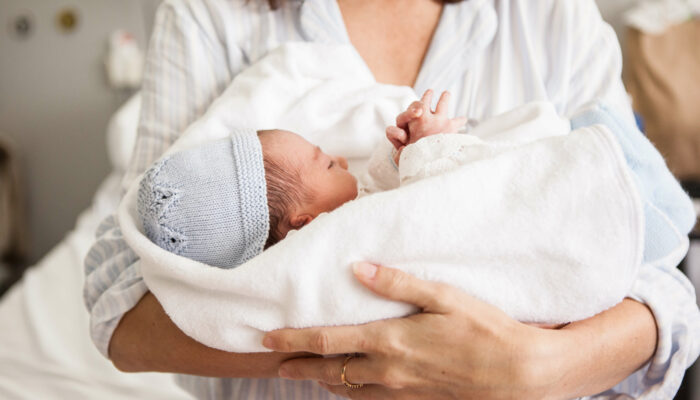
Dreams serve as a complex bridge between our conscious experiences and the depths of the subconscious mind. Among the most evocative of these experiences is the act of holding a newborn baby. This specific imagery often resonates across different cultures and belief systems, acting as a potent symbol of transition, vulnerability, and untapped potential.
Core Symbolic Interpretations
At its most fundamental level, a newborn baby in a dream is rarely about a literal child. Instead, it typically symbolizes innocence, hope, and the inception of something new. Cradling a child can represent the “birth” of a new project, a fresh professional venture, or a significant shift in personal identity.
The Duality of the Experience
The emotional tone of the dream significantly alters its interpretation:
- Secure and Peaceful: If the dreamer feels calm and comforted while holding the baby, it often indicates a sense of harmony in their personal relationships or confidence in a new endeavor.
- Anxious or Fearful: A tight or trembling grip may symbolize a fear of the unknown or a subconscious worry that the dreamer is ill-equipped to handle new responsibilities.
Psychological Perspectives
Psychology offers two primary lenses through which to view this dream motif: the Freudian and the Jungian perspectives.
The Freudian View: Unconscious Desire
Sigmund Freud posited that dreams are manifestations of unconscious wishes. From this perspective, holding a newborn may reflect a latent desire for parenthood or a yearning to nurture a neglected part of one’s own life. It suggests an emotional need for a stable, loving environment or the desire to care for a “fragile” aspect of the self.
The Jungian View: The Archetypal ‘Self’
Carl Jung viewed the child as an archetype of the Divine Child, representing the “Self” in its purest state. According to Jung, dreaming of a newborn can signify:
“The emergence of a new stage of consciousness or the rekindling of the inner child, urging the individual to embrace creativity and spontaneity without the constraints of adult social expectations.”
Spiritual and Cultural Significance
Different spiritual traditions provide unique frameworks for understanding the presence of a newborn in the dream state.
Religious Interpretations
| Tradition | Symbolic Meaning | Spiritual Implication |
|---|---|---|
| Christianity | Redemption and Grace | May signify divine blessings or a spiritual rebirth. |
| Islam | Purity (Fitra) | A call for spiritual renewal, humility, and a return to innocence. |
| Indigenous Cultures | Communal Growth | A connection to ancestral lineage and the promise of future prosperity. |
Analytical Framework: The Syllogism of Nurturing
To better understand the logic of these dreams, one can apply a syllogistic approach to the emotional data provided by the subconscious:
- Premise A: The act of holding a newborn is the ultimate expression of the instinct to protect and nurture.
- Premise B: The dreamer is experiencing a strong emotional reaction to this act.
- Conclusion: The dream is highlighting a current need—either to be nurtured or to provide care—within the dreamer’s waking life.
Conclusion
Whether viewed as a psychological projection of the inner child or a spiritual omen of new beginnings, dreaming of holding a newborn baby is an invitation to introspection. It encourages the dreamer to identify what in their life is currently “nascent” and requires gentle care, patience, and protection to reach its full potential.
FAQ
Does dreaming of a baby always mean I want to have children?
No. In dream analysis, babies usually symbolize 'newness'—such as a new job, a new relationship, or a new side of your personality—rather than a literal desire for offspring.
What if I feel scared while holding the baby in the dream?
This often reflects 'imposter syndrome' or a fear that you are not ready for a new responsibility in your waking life.
Why is the baby often glowing or ethereal in these dreams?
This typically indicates a spiritual or transcendental meaning, suggesting that the 'new beginning' is of a higher or more significant nature.





Leave a Reply