
Short Answer
Introduction
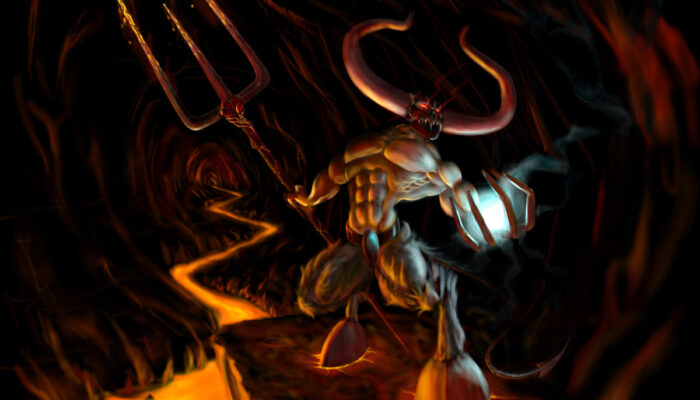
Across history, demons have occupied a prominent place in myth, religion, and folklore. When such a figure appears in a dream, the experience can be unsettling, yet it also provides a valuable mirror to the dreamer’s inner world. This article surveys the multiple layers of meaning attached to demon dreams, drawing on religious traditions, Jungian archetypal theory, and contemporary psychological research.
1. Cultural and Religious Interpretations
1.1 Christianity
In Christian theology demons are typically portrayed as fallen angels who tempt, oppress, or deceive humans. A dream featuring a demon may therefore signal a perceived moral struggle, guilt, or the feeling of being under spiritual attack. For example, a believer who dreams of a demonic presence while facing a major ethical decision might interpret the dream as a warning to examine personal motives.
1.2 Islam
Islamic tradition distinguishes between shaytan (Satan) and jinn, beings created from smokeless fire. Jinn are capable of influencing thoughts and actions, for good or ill. Dreaming of a jinn can be read as a reminder of external negative influences or a call to seek protection through prayer, Qur’anic recitation, or the performance of ruqyah (spiritual healing). Classical sources such as Ibn Sirin’s dream manual associate a demon‑like jinn with upcoming hardships that require spiritual vigilance.
1.3 Eastern Philosophies
In traditions such as Hinduism, Buddhism, and Taoism, “demons” often symbolize the shadow self—the hidden, repressed aspects of personality. Encountering a demon in a dream may invite the dreamer to confront fears, anger, or desire that have been denied conscious awareness. The process of acknowledging this shadow is considered essential for achieving balance and enlightenment.
1.4 Indigenous and Folk Beliefs
Many indigenous cultures view demon‑type figures as spirits that test or teach humans. For instance, certain Native American stories describe trickster demons that challenge individuals to prove courage. In such contexts, a demon dream can be interpreted as a rite of passage rather than a purely negative omen.
2. Psychological Perspectives
2.1 Jungian Archetypes
Carl Jung identified the “demon” as an archetypal figure representing the shadow—the collection of traits and impulses that the ego rejects. When the shadow emerges in dream imagery, it often takes the form of a hostile entity to dramatize the internal conflict. Engaging with the demon—whether by fighting, fleeing, or dialoguing—offers an opportunity for integration and individuation.
2.2 Anxiety, Depression, and Trauma
Modern clinical research links intense, threatening dream content with heightened stress, anxiety disorders, and post‑traumatic stress. A demon may act as a metaphor for overwhelming emotional pressure, chronic worry, or unresolved trauma. Recognizing the symbolic link can guide therapeutic work, allowing the client to externalize and process the distress.
2.3 Cognitive‑Neuroscientific View
From a neurobiological standpoint, frightening dream imagery often arises during REM sleep when the amygdala is highly active while the prefrontal cortex is relatively subdued. This imbalance can amplify fear‑related symbols, such as demons, without necessarily implying a specific spiritual message.
3. Common Dream Scenarios Involving Demons
- Being chased by a demon – Indicates avoidance of a personal issue that feels threatening.
- Facing a demon in a familiar place – Suggests that the conflict is rooted in everyday life, such as work or relationships.
- Negotiating or speaking with a demon – May represent an attempt to integrate the shadow or to find a compromise with a difficult part of self.
- Seeing a demon transform into a human or animal – Highlights the fluid nature of internal fears and the potential for change.
4. Interpreting Your Demon Dream
- Recall the emotions: Were you terrified, angry, curious? Emotional tone is a primary clue.
- Identify the setting: A church, a school, a wilderness? Context links the symbol to specific life domains.
- Note the demon’s attributes: Appearance, size, behavior. These details often mirror the intensity of the underlying issue.
- Reflect on current life stressors: Recent conflicts, health concerns, or spiritual doubts can trigger demon imagery.
- Consider cultural background: Personal religious beliefs shape how the symbol is perceived and what messages it carries.
Writing a brief dream journal entry that follows these steps can transform a frightening night vision into a practical roadmap for self‑growth.
5. Transformative Potential
When approached with curiosity rather than fear, demon dreams can become catalysts for personal development. By confronting the figure, the dreamer may experience:
- Increased self‑awareness of hidden motives.
- Motivation to address unresolved conflicts.
- A sense of empowerment after “defeating” or negotiating with the demon.
- Spiritual renewal through renewed prayer, meditation, or ethical reflection.
Conclusion
The meaning of a demon in a dream is multifaceted, weaving together religious symbolism, cultural narratives, and deep psychological processes. Whether viewed as a spiritual warning, an archetypal shadow, or a manifestation of stress, the demon offers a powerful prompt for introspection. By examining the dream’s details, emotional tone, and personal context, individuals can harness the experience for growth, resilience, and greater self‑understanding.
FAQ
What does it mean if I am chased by a demon in my dream?
Being chased often reflects avoidance of a stressful issue or emotion that feels threatening in waking life.
Can a demon dream indicate spiritual danger?
In many religious traditions the demon symbolizes a spiritual challenge; interpreting it as danger depends on personal belief and context.
How can I use a demon dream for personal growth?
Record the dream, note emotions and symbols, and explore what hidden fears or conflicts it may represent, then address those areas consciously.
Why do I forget the details of a demon dream quickly?
Dream memories fade rapidly after waking because the brain's prefrontal cortex is less active during REM, especially for emotionally intense content.




Leave a Reply