
Short Answer
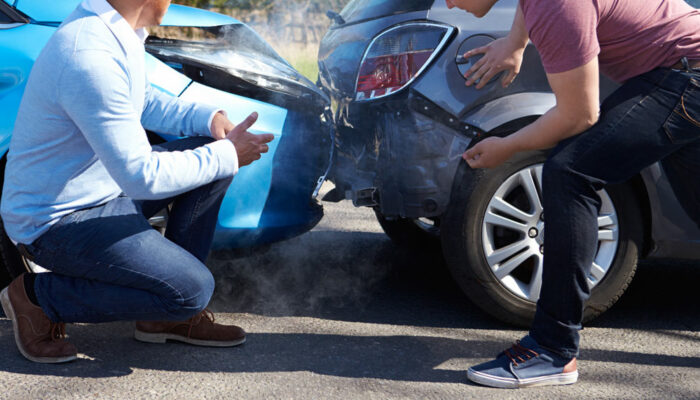
Dreams serve as a profound mirror to our subconscious, often utilizing jarring imagery to communicate fears, desires, and existential anxieties. Among the most unsettling of these experiences is the dream of a car accident. Such vivid and tumultuous visions often leave the dreamer feeling shaken upon waking, prompting a need to understand the underlying message behind the crash.
While a car accident in a dream may initially seem like a literal premonition of danger, it is rarely a prophetic warning. Instead, these dreams typically function as symbolic representations of our internal state, reflecting the complexities of our waking lives through the lens of vehicular mishaps.
The Symbolic Dimension: Control and Direction
In the lexicon of dream symbolism, a car is rarely just a vehicle; it often represents the self and the journey of life. Because we use cars to navigate our physical world, they symbolize our autonomy, our direction, and the level of control we exert over our destiny.
Loss of Control
A car accident frequently symbolizes a perceived loss of control. If you find yourself unable to brake or steer in the dream, it may reflect a situation in your waking life where you feel powerless. This could manifest as:
- Overwhelming stress at a professional level.
- A relationship that feels like it is spiraling out of control.
- Anxiety regarding a major life transition.
Unexpected Detours
The impact of a collision represents a sudden, disruptive force. Just as a crash halts the flow of traffic, a dream accident may signify an abrupt change in trajectory or a personal crisis that has forced you to stop and reassess your path.
Psychological Perspectives
From a psychological standpoint, these dreams are often viewed as manifestations of repressed emotions or cognitive dissonance.
Jungian Analysis
Carl Jung, the founder of analytical psychology, suggested that dreams bridge the gap between the conscious and unconscious mind. In this framework, a car crash may represent a collision of personas. The dreamer’s public image (the “mask”) may be clashing with their hidden grievances or authentic desires, leading to internal psychic turmoil.
Stress and Anxiety
Modern psychology often links recurring nightmares of accidents to high levels of cortisol and chronic stress. When the mind is overwhelmed by deadlines, grief, or conflict, it may project these feelings as a catastrophic event—like a car crash—to signal that the dreamer is reaching a breaking point.
Spiritual Significance Across Cultures
The interpretation of a car accident varies significantly depending on the spiritual and cultural framework applied:
| Perspective | Common Interpretation |
|---|---|
| Christian | A sign of spiritual disconnect or a “wake-up call” to realign one’s moral compass. |
| Islamic | Trials or obstacles that serve as a test of faith, ultimately leading to purification and growth. |
| Hindu | A reflection of karma, suggesting that past actions are manifesting as present vulnerabilities. |
Emotional Ramifications and Healing
The emotional residue of a car accident dream—fear, helplessness, and panic—can linger long after the dreamer wakes. This “emotional echo” is often the most important part of the dream. If the primary feeling is helplessness, the dreamer may need to explore where in their life they are neglecting their own agency.
“The dream does not merely reflect the problem; it acts as a projector, highlighting the areas of our psyche that require immediate attention and healing.”
Engaging in mindfulness, journaling, or consulting with a therapist can help transform these frightening images into actionable insights for self-improvement.
Conclusion
Ultimately, dreaming of a car accident is an invitation to pause and reflect. Whether it is interpreted as a psychological release of stress, a spiritual warning, or a symbolic representation of life’s unpredictability, the core message remains the same: a need for realignment. By confronting the fear associated with these dreams, individuals can gain the clarity needed to navigate their waking lives with greater intention and balance.
FAQ
Does dreaming of a car accident mean I will have one in real life?
Generally, no. In dream analysis, accidents are symbolic of emotional or situational stress rather than literal predictions of the future.
What if I am not the driver in the accident?
Being a passenger often suggests that you feel someone else is controlling your life or that you are passively allowing a situation to lead to a disaster.
Why do these dreams feel so realistic?
The brain's emotional center (the amygdala) is highly active during REM sleep, making the fear and impact feel authentic even if the scenario is symbolic.




Leave a Reply