
Short Answer
Overview
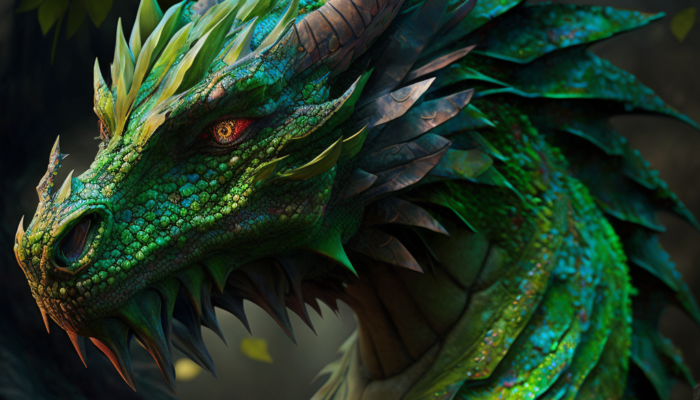
In the realm of dream analysis, the green dragon stands out as a vivid embodiment of nature’s vigor, personal transformation, and subconscious power. Its appearance can signal the onset of significant change, a surge of creative energy, or a call to engage with deeper emotional currents.
Symbolic Elements of the Green Dragon
Color Green
Green is universally linked to fertility, renewal, and ecological balance. In dream symbolism it often denotes growth, prosperity, and the emergence of new opportunities. When paired with a dragon, the hue intensifies the notion of a living, dynamic force that nurtures rather than merely dominates.
Dragon as Mythic Creature
Across mythologies, dragons represent both chaos and wisdom. The green variant shifts the emphasis toward harmonious power—a guardian of natural cycles and a keeper of ancient knowledge. This duality encourages the dreamer to balance assertiveness with compassion.
Cultural and Religious Perspectives
Christianity
Traditional Christian texts associate dragons with chaos and evil (e.g., Revelation 12). However, a green dragon can be interpreted as a sub‑type that embodies divine healing and restoration, suggesting that spiritual growth may arise from confronting inner turmoil.
Islamic Tradition
While dragons are less prominent in Islamic symbolism, the color green holds special significance as the hue of paradise and protection. A green dragon in a Muslim dream may therefore signify divine safeguarding and the promise of spiritual fortitude.
Other Cultural Views
In East Asian folklore, dragons are benevolent rulers of water and weather. A green dragon, resonating with the element of wood, underscores themes of renewal, seasonal cycles, and the flow of life energy (qi).
Psychological Interpretations
Jungian Archetype
Carl Jung identified dragons as manifestations of the shadow—the part of the psyche that houses repressed fears and untapped potentials. The green coloration adds a layer of self‑healing, indicating that integrating these shadow aspects can lead to personal regeneration.
Shadow Work and Growth
Encountering a green dragon may signal that the dreamer is ready to face unresolved emotions. By acknowledging the dragon’s presence, one can transform anxiety into creative momentum, much like a chrysalis becoming a butterfly.
Practical Guidance for Dreamers
When a green dragon appears, consider the following steps to harness its message:
- Reflect on current life transitions. Are you poised for a career shift, relationship change, or personal project?
- Journal the emotions felt during the dream. Fear, awe, excitement—each provides clues about the subconscious issue at stake.
- Identify areas of creative blockage. The dragon’s vitality may be urging you to start a new artistic or entrepreneurial endeavor.
- Explore spiritual practices. Meditation, prayer, or nature walks can help align the dream’s symbolic energy with daily life.
“The dragon is not merely a monster to be slain; it is a mirror reflecting the depths of our own potential.” – Adapted from Jungian dream theory
Conclusion
The green dragon in a dream is a multifaceted symbol that intertwines natural vitality, spiritual promise, and psychological insight. Whether viewed through cultural lenses or the framework of modern psychology, its presence encourages the dreamer to embrace transformation, unleash creative forces, and engage in meaningful self‑reflection.
FAQ
What does it mean to dream of a green dragon during a period of stress?
It often indicates that the dreamer possesses inner resilience and is being prompted to channel that vitality into constructive change.
Can the green dragon symbolize a specific person in my life?
In some interpretive traditions, dragons can represent powerful figures; a green dragon may point to someone who embodies nurturing strength or offers guidance toward personal growth.
How can I remember the details of a green dragon dream more clearly?
Keeping a dream journal beside the bed and writing down impressions immediately upon waking helps preserve vivid details and emotional nuances.


Leave a Reply