
Short Answer
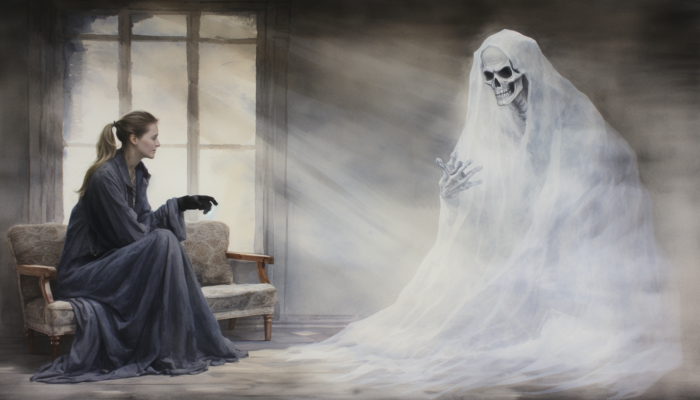
Dreams involving deceased individuals are among the most evocative and emotionally charged experiences a person can have. These visions often transcend simple memory, intertwining the realms of the symbolic, spiritual, and psychological. Whether the encounter brings fear, nostalgia, love, or relief, such dreams frequently serve as a mirror reflecting the innermost facets of the dreamer’s psyche or a gateway to profound personal revelations.
Symbolic Interpretations of Death in Dreams
From a symbolic perspective, the appearance of a dead person rarely denotes literal death. Instead, it often signifies the conclusion of a specific phase in the dreamer’s life. In the language of symbols, death represents transition and transformation.
The deceased figure may embody aspects of the dreamer’s own personality that have ‘died’ or need to be released to make room for rebirth. This process is akin to the seasonal cycles of nature, where the old must pass away for the new to emerge. Such dreams suggest that the individual is in a period of adaptation, urging them to let go of outdated beliefs or habits to facilitate personal growth.
Spiritual Meanings Across Global Beliefs
Diverse religious and cultural frameworks offer various interpretations of encounters with the deceased in the dream state:
Christian Perspectives
In some Christian interpretations, dreaming of a deceased person may highlight unresolved emotional ties or unfulfilled directives left by the departed. These dreams are often viewed as calls to reflect on one’s own faith, mortality, and the state of their spiritual practice.
Islamic Interpretations
Islamic traditions often posit that the deceased appearing in a dream acts as a messenger. Such visits may be seen as urgings for the dreamer to adhere to faith, maintain righteous conduct, or seek forgiveness. These dreams are frequently interpreted as a bridge between the physical world and the spiritual realm, offering guidance to the living.
Eastern and Other Cultural Philosophies
In many Eastern philosophies, dreams of the deceased are viewed as opportunities for healing and counsel. These cultures often perceive such experiences as a means to receive wisdom from the spirit world, providing a sense of continuity and comfort in relationships that transcend physical mortality.
Psychological Perspectives and Grief
Modern psychology views dreams of the dead as complex manifestations of the human mind’s attempt to process loss and mental health.
Jungian and Freudian Analysis
- Carl Jung: Jungian analysis suggests that deceased figures may be archetypes or projections of unresolved conflicts within the psyche. The spectral presence compels the dreamer to confront suppressed emotions, such as guilt or longing, to achieve psychological wholeness.
- Sigmund Freud: Freud theorized that such dreams are manifestations of unconscious desires, often indicating a longing for a lost relationship or a desperate need for closure that was not achieved in waking life.
Post-Traumatic Growth
A significant psychological phenomenon associated with these dreams is post-traumatic growth. In this context, dreaming of a deceased loved one allows the individual to reconnect with the lessons and values the person imparted. This process can empower the dreamer to embrace life with renewed vigor, transforming the pain of loss into a catalyst for positive change.
Summary Table: Interpretation Frameworks
| Perspective | Primary Meaning | Emotional Goal |
|---|---|---|
| Symbolic | End of a cycle / Transformation | Acceptance of change |
| Spiritual | Guidance / Divine messages | Spiritual alignment |
| Psychological | Processing grief / Unresolved conflict | Emotional closure |
Conclusion
Ultimately, dreaming of a dead person invites us into a complex labyrinth of meaning. Whether these experiences are viewed as spiritual visitations, psychological processing, or symbolic markers of change, they offer a unique opportunity to confront mortality and unravel the fabric of our emotions. By listening to the voices of the past, the dreamer can often find the clarity needed to illuminate their path toward a more enlightened present.
FAQ
Is dreaming of a dead person a bad omen?
Not necessarily. In most psychological and spiritual frameworks, it is seen as a process of healing, a symbolic transition, or a message of guidance rather than a negative omen.
Why do I dream of people I barely knew who have passed away?
Such figures often act as symbols for specific traits or life lessons that your subconscious is currently trying to integrate.
How can I find closure through these dreams?
By reflecting on the emotions felt during the dream and identifying any unresolved conversations or feelings you may have toward the person.





Leave a Reply