
Short Answer
Introduction
Dreams have long served as a bridge between the conscious mind and deeper layers of experience. When the figure of God appears, it often signals a profound encounter with personal values, spiritual yearning, or psychological archetypes. This article examines the many ways such a dream can be understood, drawing on logical reasoning, symbolic analysis, religious traditions, and contemporary psychology.
Logical (Syllogistic) Interpretation
One method of analysis treats the appearance of God as a premise in a logical chain. If God represents ultimate authority or moral law, and if an individual’s actions reflect personal values, then a dream of God may indicate a confrontation with ethical choices. The dream invites the sleeper to evaluate whether current decisions align with their deepest convictions, functioning as an internal moral compass.
Ethical Reflection
For example, a person facing a career dilemma might dream of a divine figure offering guidance. The dream’s logical structure suggests the mind is weighing “If I follow my higher purpose, then I will find fulfillment,” prompting conscious deliberation.
Symbolic Representations
God can manifest in a variety of visual and auditory symbols. Common motifs include:
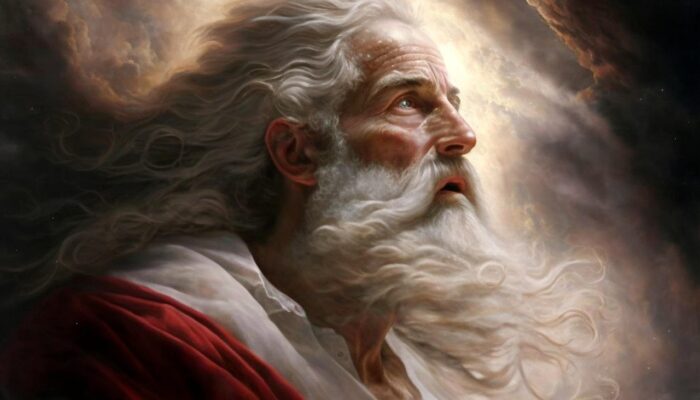
- Radiant light or a halo – representing enlightenment or divine presence.
- A deep, resonant voice – suggesting authority or reassurance.
- A throne or celestial seat – indicating sovereignty and order.
- Nature imagery (e.g., a shepherd among sheep) – conveying protection and guidance.
These symbols often reflect the dreamer’s inner desire for wholeness, wisdom, or reassurance.
| Symbol | Typical Meaning |
|---|---|
| Light/Glow | Insight, spiritual awakening |
| Voice | Authority, inner guidance |
| Throne | Structure, order, personal power |
| Shepherd | Care, protection, nurturing |
Religious Contexts
Christianity
In Christian tradition, God embodies love, grace, and providence. A dream of God may signal a period of spiritual renewal, an invitation to prayer, or anxiety about one’s faith. Biblical imagery such as the Good Shepherd emphasizes trust in divine care.
Islam
Within Islam, dreams of Allah (God) are often interpreted as signs of divine inspiration (Ilham) or calls to repentance. Such dreams may reflect the dreamer’s piety, urging greater adherence to the principles of Taqwa (God‑consciousness).
Hinduism
Hindu thought views the divine as both personal and impersonal. Encountering a deity or an abstract representation of Brahman can point to the dreamer’s exploration of inner divinity, karmic lessons, or the pursuit of moksha (liberation).
Buddhism
Although Buddhism does not posit a creator god, dreams of a divine figure are often interpreted as encounters with the “Buddha nature” or an embodiment of compassion, encouraging the practitioner to deepen meditation and ethical conduct.
Psychological Perspectives
Modern dream analysis frequently references Carl Jung’s concept of archetypes. The “Great Father” or “Supreme Being” archetype embodies authority, protection, and the quest for meaning. Jung argued that such images arise from the collective unconscious, helping the individual integrate fragmented aspects of the self.
Sigmund Freud, by contrast, viewed divine imagery as a displacement of paternal authority, reflecting unresolved Oedipal dynamics. Contemporary research also links dreams of God with heightened emotional intensity, life transitions, or moments of existential questioning.
Therapeutic Applications
Clinicians may use the appearance of God in a client’s dream as a starting point for discussion about:
- Values clarification – identifying core beliefs that guide behavior.
- Fear of judgment – exploring feelings of inadequacy or perfectionism.
- Spiritual coping – integrating religious practices that support resilience.
“Dreams of the divine often serve as mirrors, reflecting our deepest hopes, fears, and the yearning for a larger narrative that gives life meaning.” – C. G. Jung
Conclusion
The dream meaning of God is richly layered, intersecting logical reasoning, symbolic language, religious doctrine, and psychological theory. Whether experienced as a luminous presence, a comforting voice, or a majestic figure, such dreams invite introspection, moral evaluation, and spiritual growth. By engaging with these nocturnal messages, individuals can gain insight into their personal journey and cultivate a renewed sense of purpose.
FAQ
What does it mean to dream of a bright light resembling God?
A bright light often symbolizes insight, spiritual awakening, or a desire for guidance.
Can a dream of God indicate unresolved personal issues?
Yes, many psychologists view such dreams as reflections of inner conflicts about authority, purpose, or self‑acceptance.
Do different religions interpret dreams of God in the same way?
Interpretations vary: Christianity may see it as divine love, Islam as a call to piety, while Hinduism may link it to inner divinity or karmic lessons.





Leave a Reply