
Short Answer
Introduction to the Symbolism of the Fig Tree
The fig tree is a remarkable symbol, steeped in rich meanings across various cultures and belief systems. Often appearing in dreams as a harbinger of a shift in perspective, the fig tree serves as a captivating subject for exploration. Whether it manifests as a lush, fruit-bearing canopy or a barren branch, the imagery of the fig tree delves into the depths of spirituality, psychology, and ancient symbolism to reveal layered interpretations of the human experience.
Psychological Interpretations of Fig Trees in Dreams
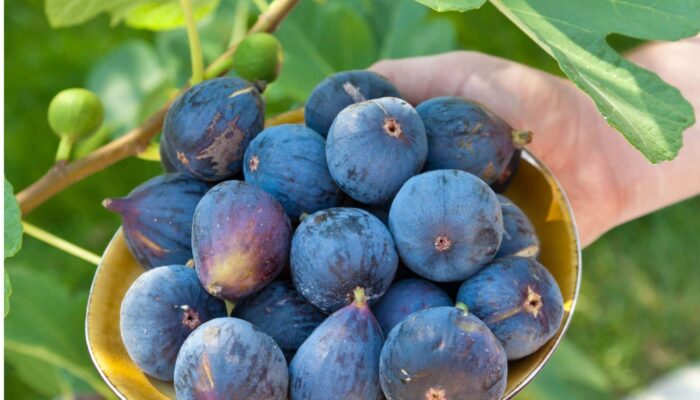
In the realm of psychology, dreams featuring fig trees are often viewed through the lens of personal development and emotional states. The presence of a fig tree can indicate impending fecundity or the blossoming of new ideas. Metaphorically, these dreams may symbolize the fruition of one’s aspirations, marking the transformation from mere potential into a tangible reality.
Common Psychological Themes
- Emotional Maturation: Ripening figs often serve as emblems of emotional growth or the emergence of latent desires.
- Internal Conflict: The tree may represent the juxtaposition between shame and indulgence, reflecting the dreamer’s struggle with social expectations versus personal growth.
- Stagnation: Conversely, a barren fig tree may reflect feelings of unfulfilled desires or a period of necessary introspection and self-assessment.
Furthermore, the fig tree’s ability to thrive in diverse and often arid environments symbolizes adaptability and resilience. This mirrors the human capacity to endure hardship, suggesting that beauty and abundance can be produced even in the most difficult circumstances.
Spiritual and Religious Perspectives
The fig tree holds considerable weight in global religious narratives, often acting as a bridge between the earthly realm and the divine.
Biblical Significance
Within the Christian faith, the fig tree appears in pivotal contexts. In the Garden of Eden, fig leaves provided the first clothing for Adam and Eve, introducing themes of awareness, modesty, and the loss of innocence. Additionally, the parable of the barren fig tree serves as a reminder of divine judgment and the spiritual necessity to “bear fruit” by contributing positively to the world.
Islamic Tradition
In Islamic tradition, the fig tree is honored in Surah At-Tin (The Fig). As one of the fruits promised in Paradise, the fig is a symbol of prosperity, bounty, and divine reward. In this context, the tree serves as a metaphor for faith and resilience, urging believers to lead a virtuous life in obedience to God’s will.
Cultural and Mythological Contexts
Beyond theology, the fig tree has deep roots in ancient mythology and social history. In Greek mythology, the tree is associated with Dionysus, the god of wine and revelry, representing exuberance and the celebration of life. For the ancient Greeks, the fig was a source of nourishment and community, symbolizing the harmony found in shared sustenance and the duality of pleasure and sacrifice.
Summary Table of Fig Tree Symbols
| Dream Element | Potential Meaning | Core Theme |
|---|---|---|
| Ripe Figs | Success, abundance, maturity | Fulfillment |
| Barren Tree | Lack, disappointment, stagnation | Introspection |
| Lush Leaves | Protection, modesty, concealment | Privacy/Shame |
| Strong Roots | Resilience, adaptability, stability | Strength |
Conclusion
The fig tree emerges as a potent symbol of fertility, morality, and psychological depth. It invites individuals to consider the nuances of their achievements and failures while fostering a connection to the spiritual world. By embracing its multifarious interpretations—from biblical roots to psychological implications—the fig tree remains a timeless symbol of hope, transformation, and the cyclic nature of existence.
FAQ
What does a barren fig tree mean in a dream?
A barren fig tree often reflects feelings of stagnation, unfulfilled desires, or a period of necessary spiritual introspection.
What is the biblical significance of the fig tree in dreams?
Biblically, it can symbolize awareness and modesty (Adam and Eve) or a call to spiritual productivity and fruitfulness.
What does a ripening fig tree symbolize psychologically?
Psychologically, ripening figs often represent emotional maturation, the emergence of latent desires, or the fruition of personal aspirations.


Leave a Reply