
Short Answer
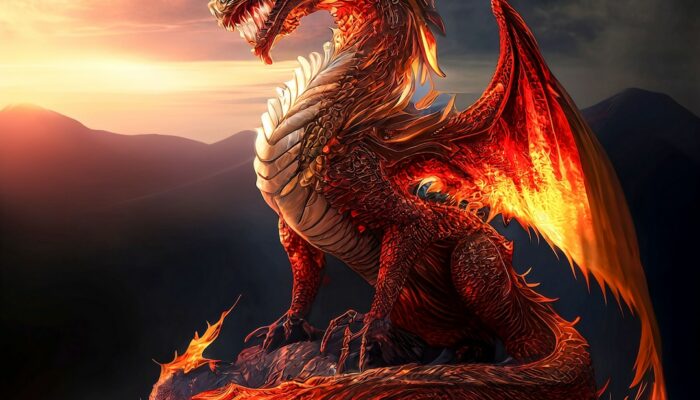
The appearance of a dragon in a dream is a potent experience, often evoking a mixture of awe, terror, and empowerment. As mythical beings that blend the characteristics of various animals—possessing the flight of birds, the scales of reptiles, and the breath of fire—dragons serve as complex archetypes within the human subconscious. To interpret a dragon dream is to explore the intersection of personal psychology, cultural heritage, and spiritual aspiration.
Symbolic Interpretations of Dragons
In a general symbolic sense, dragons frequently represent power, dominance, and the formidable barriers we encounter in our waking lives. Because they are often depicted as guardians of treasure or sacred gateways, a dragon in a dream may symbolize the challenges one must overcome to achieve a significant life goal.
The Struggle for Control
Dreaming of a dragon can denote an internal or external struggle for control. The creature’s immense strength may mirror a situation in the dreamer’s life that feels overwhelming or an ambition that feels too large to manage. Conversely, successfully navigating an encounter with a dragon often signifies an imminent transformation or a “rebirth,” mirroring the process of a butterfly emerging from its chrysalis.
Jungian Perspectives and the Shadow
From a Jungian psychological perspective, the dragon often embodies the Shadow—the hidden, repressed, or denied aspects of the personality. When a dragon appears, it may be a psychological “clarion call” urging the dreamer to confront these suppressed emotions. Facing the dragon is not merely an act of combat but a dialogue between the conscious and unconscious minds, leading to personal growth and integration.
Cultural and Spiritual Significance
The meaning of a dragon varies drastically depending on the cultural lens through which it is viewed. These differences highlight how our collective consciousness shapes our individual dream experiences.
| Cultural Context | Primary Symbolism | Dream Interpretation |
|---|---|---|
| Western/Christian | Chaos, Sin, Evil | A spiritual battle against vice or moral deficiency. |
| Eastern (Buddhist/Hindu) | Wisdom, Strength, Protection | The gathering of inner strength or divine protection. |
| Islamic Lore | Trial, Duality, Faith | A test of faith or a struggle against ignorance. |
Western and Christian Traditions
In many Western traditions, particularly within Christianity, the dragon is associated with chaos and destructive forces. For instance, the Book of Revelation portrays the dragon as a symbol of Satan. Consequently, dreaming of a dragon in this context may reflect a perceived spiritual battle or a struggle against temptation and moral failure.
Eastern Traditions
In contrast, Eastern cultures often revere the dragon as a benevolent and sacred entity. In these traditions, dragons are seen as guardians of the Earth’s treasures and symbols of imperial power and wisdom. A dragon dream here may be interpreted as a positive omen, suggesting the dreamer is accessing higher wisdom or receiving spiritual protection.
Islamic Perspectives
Islamic interpretations often view the dragon through a dual lens, representing both the chaos of the material world and the necessity of spiritual fortitude. Such dreams may be perceived as reflections of the trials and tests of faith that one must endure to reach a state of enlightenment and resilience.
Psychological Reflections and Analysis
Beyond spirituality, modern psychology offers frameworks to understand why these creatures haunt our sleep.
- Freudian Analysis: Sigmund Freud suggested that dreams unveil suppressed desires. A dragon might represent repressed power, sexual energy, or an ambition that the dreamer is afraid to unleash in their waking life.
- The Ego and Authority: A duel with a dragon can represent the ego’s struggle against external limitations or the difficulty of asserting one’s authority in a professional or personal environment.
- Self-Acceptance: Taming a dragon in a dream is a powerful symbol of burgeoning self-acceptance. It suggests that the dreamer is learning to harmonize the conflicting parts of their identity.
Conclusion: Integrating the Dragon’s Message
Whether the dragon in your dream is a malevolent force to be defeated or a wise guardian to be followed, it serves as a mirror to your psyche. To derive the most meaning from such a dream, consider the following reflective questions:
“What challenges am I currently facing in my waking life? Which aspects of my personality feel ‘untamable’? Is there a transformation I am resisting, or a power within me that is waiting to be unleashed?”
By embracing the dragon’s call, you can harness the courage and strength necessary to ignite a passion for change and embark on a journey of profound self-discovery.
FAQ
Is dreaming of a dragon always a bad sign?
No. While some cultures associate dragons with chaos, many others see them as symbols of wisdom, strength, and protection. The meaning depends heavily on the emotion felt during the dream.
What does it mean if I am fighting a dragon in my dream?
This often symbolizes a struggle with a major life challenge, an internal conflict with your 'shadow' self, or an attempt to overcome a powerful obstacle.
What does it mean to tame a dragon?
Taming a dragon typically represents self-acceptance and the successful integration of your fears and ambitions into a balanced personality.





Leave a Reply