
Short Answer
Introduction to Desert Imagery in Dreams
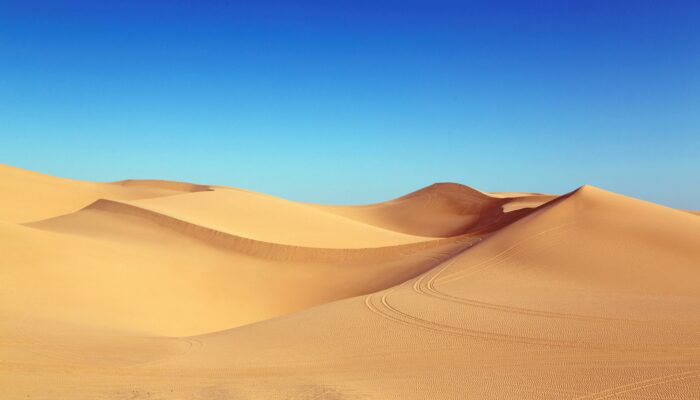
Dreams serve as enigmatic portals into the human subconscious, utilizing symbols to communicate complex emotions and internal conflicts. Among these, the desert is a particularly potent and multifaceted symbol. While a cursory glance might suggest a barren landscape devoid of life, a deeper analysis reveals a rich tapestry of meanings ranging from profound loneliness to spiritual awakening.
To understand the desert in a dream, one must look beyond the surface of sand and heat, examining the imagery through psychological, spiritual, and philosophical lenses to uncover what the subconscious is attempting to signal.
Philosophical and Logical Interpretations
When analyzing dreams, we can apply a form of logical reasoning—similar to a syllogism—to derive potential meanings based on established premises:
- Premise A: The desert is characterized by desolation and a lack of resources.
- Premise B: Desolation in a psychological context often mirrors feelings of isolation or abandonment.
- Conclusion: Therefore, dreaming of a desert may indicate a period of emotional barrenness or social loneliness.
However, this logic is not absolute. A desert can also be viewed as a tabula rasa or a blank canvas. In this context, the emptiness does not represent a lack, but rather a space for introspection, renewal, and the clearing away of old structures to make room for new growth.
Symbolic Meanings: Endurance and Transition
The desert is inherently a place of extremes, and its symbolic weight often centers on the concept of endurance. Depending on the dreamer’s emotional state, the arid landscape can represent several different themes:
| Symbolic Theme | Interpretation |
|---|---|
| Emotional Drought | A feeling of stagnation, lack of joy, or a period where creativity and passion have dried up. |
| The Rite of Passage | A necessary, albeit difficult, journey that must be completed before reaching a state of rejuvenation. |
| The Quest for Water | A subconscious search for emotional fulfillment, truth, or spiritual sustenance. |
This duality suggests that the desert is rarely a final destination, but rather a transitional space—a trial that tests the dreamer’s resolve before they emerge into a more fertile phase of life.
Spiritual Perspectives Across Cultures
Different faith traditions provide profound insights into why the desert appears in our nocturnal visions.
Christianity: Testing and Purification
In Christian narratives, the desert is often the site of spiritual confrontation and purification. The account of Jesus spending forty days in the wilderness highlights the desert as a place where one faces temptation and emerges fortified in faith. Consequently, such a dream may signal a call to face personal trials to achieve a higher state of enlightenment.
Islam: Solitude and Revelation
Within Islamic tradition, the desert is closely linked to solitude and deep reflection. This is mirrored in the life of the Prophet Muhammad, who sought seclusion in the mountains. A desert dream in this context may represent a yearning for spiritual connection or a reminder to practice patience and resilience during times of adversity.
Buddhism: Detachment and Awakening
From a Buddhist perspective, arid expanses can symbolize the barrenness of worldly attachment and desire. The desert serves as a metaphor for the emptiness of material pursuits, urging the dreamer to relinquish external cravings and focus on inner fulfillment and spiritual awakening.
Psychological Analysis
Modern psychology, particularly the Jungian school, views the desert as a reflection of the internal landscape.
“The desert can embody the subconscious mind’s shadow—elements of oneself that remain unacknowledged or suppressed.”
The stark emptiness may reflect a psychological rejection of certain emotions or a manifestation of deep-seated loneliness. Conversely, venturing into the desert can represent a journey into the self. This process of exploration, though daunting, is often a prerequisite for healing and the integration of the shadow self.
Furthermore, the desert mirrors the cyclical nature of human emotion. Just as a desert experiences rare but transformative rains, the human psyche moves through cycles of trauma and recovery. The appearance of a desert may be a reminder that hope and revival can emerge from the most desolate circumstances.
Conclusion
The dream meaning of the desert is an intricate blend of isolation and opportunity. Whether it appears as a place of trial, a catalyst for introspection, or a backdrop for spiritual awakening, the desert reminds us of the resilience of the human spirit. By interpreting these arid landscapes, dreamers can find their way toward unexpected oases of understanding, acceptance, and emotional renewal.
FAQ
Does dreaming of a desert always mean loneliness?
Not necessarily. While it can represent isolation, it can also symbolize a 'blank canvas' for new beginnings or a necessary period of spiritual purification.
What does it mean if I find an oasis in a desert dream?
Finding an oasis typically symbolizes hope, relief, and the discovery of emotional or spiritual sustenance after a period of hardship.
How does the psychological meaning differ from the spiritual meaning?
Psychologically, the desert often relates to the individual's internal state and suppressed emotions (the shadow), whereas spiritually, it often relates to a divine test or a path toward enlightenment.
Leave a Reply