
Short Answer
Introduction to Demonic Imagery in Dreams
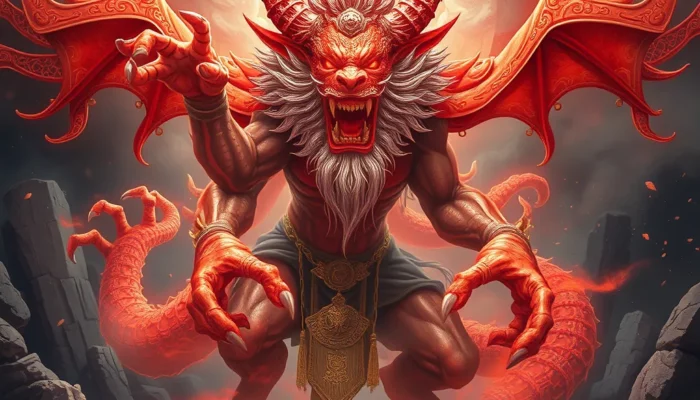
In the complex labyrinth of the subconscious mind, dreams serve as a portal to realms and emotions that often remain dormant during waking hours. Among the various figures that populate this dreamscape, few evoke as visceral a reaction as demons. Whether they appear as terrifying monsters or insidious whispers, the imagery of demons is rich with symbolic meaning, reflecting a blend of metaphysical beliefs, psychological constructs, and cultural archetypes.
Encountering demons in a dream typically stirs feelings of dread, anxiety, or helplessness. Rather than being literal omens, these visions often function as catalysts for self-examination, prompting the dreamer to confront repressed emotions or deep-seated fears. To understand these experiences, one must view the interpretation of demons on a spectrum: from external malevolent forces to internalized manifestations of one’s own darker attributes, such as guilt, resentment, or temptation.
Spiritual and Cultural Interpretations
The meaning of demons varies significantly across different faith traditions and philosophical systems, providing diverse frameworks for interpretation.
Abrahamic Perspectives
- Christianity: In biblical contexts, demons often symbolize sin, moral decay, and the eternal struggle between good and evil. Dreams of this nature may reflect a dreamer’s struggle with moral dilemmas or a feeling of spiritual warfare, mirroring the scriptural exhortation to remain vigilant against insidious adversaries.
- Islam: Islamic interpretations may characterize such entities as jinn—sentient beings capable of influencing human behavior. Visions of jinn can indicate the presence of negative influences in a person’s life or serve as a caution against succumbing to one’s basest instincts.
Eastern Philosophies
In Buddhist and Hindu traditions, demonic figures are frequently viewed as representations of ignorance, desire, and aversion. In this context, dreaming of demons is not necessarily a negative omen but may signify an impediment to spiritual progress. Confronting these entities in a dream can symbolize the dreamer’s journey toward enlightenment and the necessity of transforming internal obstacles into wisdom.
Psychological Frameworks and the Shadow Self
From a modern psychological perspective, demons are rarely viewed as external entities and are instead seen as projections of the psyche.
The Jungian Shadow
Carl Jung introduced the concept of the shadow self—the unconscious part of the personality that contains the traits we deny, reject, or deem unacceptable. In Jungian analysis, demons are often personifications of this shadow. When they appear in dreams, they invite the dreamer to acknowledge and integrate these fragmented aspects of their identity to achieve a more cohesive and authentic sense of self.
Trauma and Mental Health
From a therapeutic standpoint, recurring nightmares involving demons can be clinical indicators of unresolved trauma or chronic anxiety. The emotional intensity of these dreams often mirrors the intensity of a waking-life crisis. In contemporary society, these symbols may also represent the weight of societal pressures or the stigma surrounding mental health, where the “demon” is a manifestation of overwhelming sadness or existential dread.
Summary of Symbolic Meanings
| Perspective | Primary Meaning |
|---|---|
| Psychological (Jungian) | The Shadow Self; repressed traits |
| Spiritual (Western) | Moral conflict; temptation; sin |
| Spiritual (Eastern) | Ignorance; obstacles to enlightenment |
| Therapeutic | Unresolved trauma; anxiety; stress |
Conclusion: From Fear to Insight
Ultimately, demons in dreams are not figures to be feared, but rather symbols to be examined. They act as mirrors reflecting our inner conflicts, urging us to reconcile with our fears and desires. By approaching these nocturnal visions with curiosity rather than trepidation, individuals can unlock a treasure trove of personal insights. Unmasking the demons in one’s dreams is often the first step toward a transformative journey of self-discovery and healing.
FAQ
Are dreams of demons always a bad sign?
No. While they can be frightening, they often serve as a positive catalyst for personal growth and the integration of the shadow self.
Why do I dream of demons when I am stressed?
Demons often symbolize the 'overwhelming' nature of stress or anxiety, manifesting as an external threat that mirrors your internal state.
How can I stop having nightmares about demons?
Psychologists suggest journaling, mindfulness, and addressing the underlying waking-life stressors or traumas that the dreams may be reflecting.



Leave a Reply