
Short Answer
Introduction
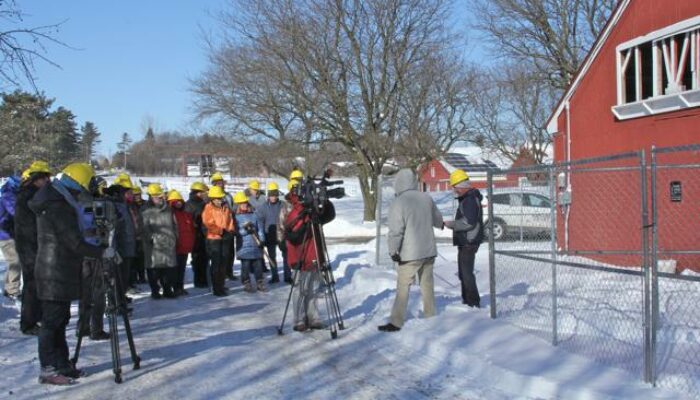
Dreams often use familiar structures to convey complex inner messages. A barn—a rustic building associated with storage, shelter, and harvest—appears in many dream narratives. This article examines the multiple layers of meaning attached to barns in dreams, drawing on psychological theory, cultural traditions, and common dream‑analysis motifs.
General Symbolism of the Barn
In the collective imagination, a barn represents security, abundance, and the intersection of work and community. Its solid walls suggest a safe haven, while its purpose of holding harvests points to themes of nourishment and the fruits of one’s efforts.
- Stability and refuge – The barn can serve as a metaphor for a reliable foundation in the dreamer’s waking life.
- Growth and potential – As a place where crops are stored, the barn may symbolize ideas or talents awaiting development.
- Community and collaboration – Historically a shared space, a barn can reflect the importance of teamwork and mutual support.
Psychological Perspective
From a Jungian viewpoint, the barn functions as an archetype of the “Container”—a symbol of the psyche’s capacity to hold experiences, memories, and emotions. Encountering a barn in a dream may therefore indicate a need to:
- Seek emotional safety.
- Organize scattered thoughts or unresolved issues.
- Recognize personal resources that have been accumulated over time.
Conversely, a dilapidated or empty barn can suggest neglected aspects of the self, prompting the dreamer to address forgotten responsibilities or unresolved trauma.
Cultural and Religious Contexts
Christianity
Within Christian symbolism, barns are often linked to providence and the parable of the talents. Dreaming of a well‑maintained barn may evoke gratitude for divine blessings and an encouragement to steward one’s gifts responsibly.
Islam
Islamic teachings associate barns with sustenance and communal welfare. A barn in a dream can serve as a reminder of the duty to provide for family and neighbors, underscoring the principle of zakat (charitable giving).
Other Cultural Views
In many agrarian societies, barns embody harmony between humanity and the land. Dreamers from such backgrounds may interpret a barn as a sign of ecological balance, urging respect for nature and sustainable living.
Variations of Barn Dreams
| Dream Variant | Typical Interpretation |
|---|---|
| Barn full of hay | Abundance, preparedness for future challenges. |
| Empty barn | Feelings of emptiness, need to replenish emotional reserves. |
| Abandoned barn | Neglected aspects of self, unresolved past matters. |
| Entering a barn | Willingness to explore inner resources or hidden talents. |
| Barn on fire | Anxiety about loss of security or rapid change. |
Logical Illustration
All safe shelters provide security; barns are safe shelters; therefore, barns provide security.
This syllogism mirrors the intuitive link many people make between the physical sturdiness of barns and the emotional safety they represent in dreams.
Conclusion
The barn is a versatile dream symbol that can reflect personal stability, latent potential, cultural values, and spiritual teachings. By examining the condition of the barn, the emotions it evokes, and the broader cultural framework of the dreamer, one can gain valuable insight into both conscious goals and unconscious needs.
FAQ
What does it mean to dream of a well‑maintained barn?
It often signifies feelings of stability, preparedness, and a sense that personal resources are organized and secure.
Why might a barn appear empty in a dream?
An empty barn can reflect emotional emptiness, a need to replenish inner reserves, or a perception that one’s efforts have not yet yielded results.
Can a barn on fire in a dream indicate real‑world danger?
While not a literal warning, a burning barn typically symbolizes anxiety about losing security or rapid, uncontrollable change.



Leave a Reply