
Short Answer
Overview
In the language of dreams, everyday objects can become powerful symbols of the subconscious. The closet door, though ordinary in waking life, frequently appears as a metaphor for thresholds, privacy, and concealed aspects of the psyche. Understanding its multiple layers can provide insight into personal growth, unresolved conflicts, and spiritual aspirations.
Syllogistic Interpretation: From the Known to the Unknown
Syllogistic reasoning offers a logical framework for dream analysis. If we accept that a closet stores personal belongings (major premise) and that dreams reveal hidden emotions (minor premise), we can conclude that a closet door represents the boundary between the conscious self and undiscovered feelings. The dreamer’s reaction—whether they hesitate, push the door open, or keep it shut—illustrates the degree of readiness to explore these inner territories.
Symbolic Significance
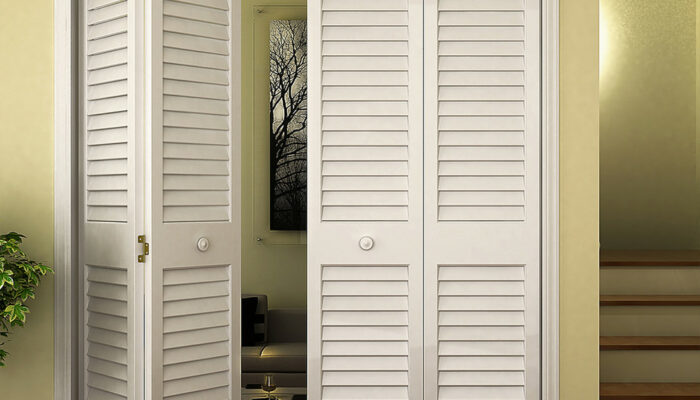
Symbolically, a closet door marks a boundary of privacy and containment. Its condition in a dream often mirrors the dreamer’s sense of order:
- Well‑kept door: indicates a feeling of control and organized emotional life.
- Damaged or locked door: suggests repressed issues, unresolved trauma, or a reluctance to confront hidden material.
- Door ajar: hints at secrets on the verge of being revealed.
Opening the door can symbolize the willingness to face past experiences, memories, or fears, while keeping it closed may reflect avoidance or denial.
Spiritual Perspectives
Different faith traditions attribute distinct spiritual meanings to a closed or open closet door:
“But when you pray, go into your room, close the door, and pray to your Father.” – Matthew 6:6 (NIV)
In Christianity, the closed door represents a private sanctuary for communion with the divine, shielding worship from worldly distraction. In Islam, a similar emphasis on privacy underscores the importance of a secluded space for sincere prayer and introspection. Across various spiritual frameworks, the act of unlocking or opening the closet door can denote readiness for transformation, renewal, and deeper connection with one’s inner truth.
Psychological Analysis
Renowned theorists offer complementary insights into the closet door motif:
- Sigmund Freud would view a closed door as a manifestation of repressed desires, urging the dreamer to uncover hidden memories or urges.
- Carl Jung interprets the door as part of the persona‑shadow dynamic. The door’s interior may contain the shadow self—elements of the personality that have been denied or ignored. Opening it signals integration and personal wholeness.
Modern psychology also notes the anxiety associated with unknown thresholds. Dreaming of a closet door often prompts examination of personal relationships, fears, and the parts of ourselves we keep concealed.
Conclusion
The closet door in dreams functions as a multifaceted symbol—a logical threshold, a private barrier, a spiritual gateway, and a psychological mirror. By reflecting on the door’s state and the dreamer’s response, individuals can gain valuable insight into hidden emotions, unresolved issues, and opportunities for spiritual and personal growth.
FAQ
What does a closed closet door represent in a dream?
It often signifies hidden emotions, repressed memories, or aspects of the self that the dreamer is reluctant to face.
Is an open closet door a positive sign?
Generally, yes. It suggests willingness to explore and integrate concealed parts of one’s psyche, leading to personal growth.
Do spiritual traditions give the same meaning to a closet door?
While details differ, many traditions view the closed door as a sacred, private space for inner reflection and communion with the divine.





Leave a Reply