
Short Answer
Overview
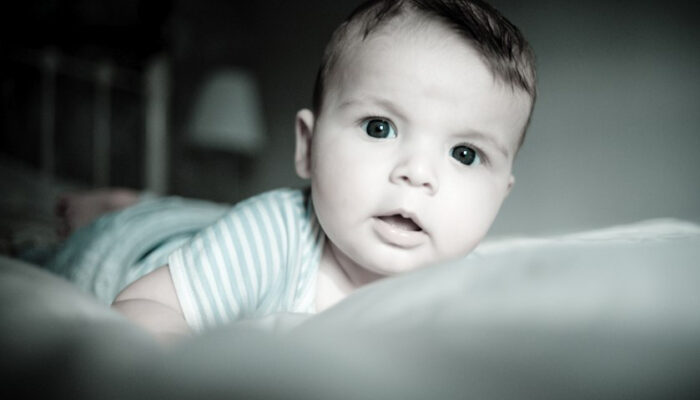
Dreams serve as a vivid theatre for the subconscious, projecting images that often carry layered meanings. Among the most striking of these images is the baby—a universal emblem of innocence, potential, and transformation. Whether the infant appears cradled in one’s arms, crying in a distant nursery, or swaddled in radiant light, the symbol invites the dreamer to explore themes of renewal, nurturing, and personal development.
Symbolic Significance
The baby functions as a multi‑faceted symbol. Its core associations include:
- New beginnings: representing fresh projects, relationships, or phases of life.
- Potential and growth: echoing latent talents or ideas awaiting development.
- Innocence and purity: a reminder of untainted intentions and childlike wonder.
- Nurturing needs: highlighting the dreamer’s desire to care for something vulnerable, or a need to be cared for.
These meanings often intertwine, allowing a single dream image to convey several messages simultaneously.
New Beginnings and Potential
When a baby appears, it frequently signals that the dreamer stands at the threshold of a significant transition. This may be the launch of a creative venture, the start of a new job, or the emotional readiness for a deeper relationship. The dream’s tone—whether joyous, anxious, or neutral—provides clues about the dreamer’s confidence in embracing these possibilities.
Nurturing and Emotional Needs
A baby can also reflect unfulfilled nurturing instincts. Dreamers who feel disconnected from loved ones may experience a baby as a call to cultivate more compassionate interactions, both toward themselves and others.
Spiritual Interpretations
Religious traditions have long attached specific meanings to the infant archetype.
Christianity
In Christian symbolism, the baby embodies purity, hope, and divine promise, recalling the birth of Jesus as the ultimate expression of salvation. Dreaming of a baby may encourage believers to adopt a more childlike faith—trusting, hopeful, and open to spiritual renewal.
Islam
Islamic dream literature often interprets a baby as a sign of blessings and divine favor. The birth of a child is considered a mercy from Allah; thus, a baby in a dream can herald forthcoming prosperity, good health, or the successful completion of a personal endeavor.
Other Cultural Perspectives
Across many cultures, the infant symbolizes the sacred cycle of life and the promise of continuity. Indigenous mythologies, Hindu traditions, and East Asian folklore frequently regard the baby as a conduit for renewal, urging the dreamer to honor the sanctity of creation.
Psychological Perspectives
Modern psychology offers complementary lenses for understanding the baby motif.
Freudian View
Sigmund Freud suggested that a baby may represent repressed desires or unresolved childhood experiences. The infant can surface as a manifestation of longing for security, simplicity, or a return to a state before complex adult responsibilities.
Jungian Interpretation
Carl Jung identified the baby as an archetype of the “inner child”—the part of the psyche that houses creativity, spontaneity, and emotional honesty. Encountering a baby in a dream invites the individual to reconnect with these qualities, fostering personal integration and healing.
Contemporary Insights
Current dream research links the appearance of a baby to developmental milestones and life‑stage transitions. For example, expectant parents often dream of infants as they process impending parenthood, while professionals facing new responsibilities may experience the image as a metaphor for the learning curve ahead.
Typical Dream Scenarios Involving a Baby
Different contexts modify the interpretation:
- Holding a baby: suggests readiness to assume responsibility or a desire to nurture a new idea.
- Babies crying: may reflect anxiety about inadequacy, fear of neglecting responsibilities, or unresolved emotional pain.
- Seeing a newborn: often marks the emergence of fresh opportunities or a spiritual rebirth.
- Abandoning a baby: can indicate feelings of being overwhelmed or a subconscious wish to detach from a burdensome situation.
Interpretive Guidelines
When analyzing a baby‑related dream, consider the following steps:
- Identify the emotional tone of the dream (joyful, fearful, indifferent).
- Examine personal circumstances—are you approaching a major life change?
- Reflect on any recent experiences of caretaking or being cared for.
- Explore spiritual or cultural beliefs that may color the symbol’s meaning for you.
- Integrate insights into daily life, perhaps by nurturing a new project or attending to overlooked emotional needs.
“A baby in a dream is a mirror of the dreamer’s own nascent possibilities, inviting both reverence and responsibility.” – Dream interpretation literature
Conclusion
The dream image of a baby weaves together threads of innocence, potential, and deep emotional yearning. Whether viewed through spiritual, psychological, or cultural prisms, it serves as a compelling invitation to examine one’s inner landscape, embrace new beginnings, and honor the nurturing aspects of the self.
FAQ
What does dreaming of holding a baby signify?
It often indicates readiness to take on new responsibilities or a desire to nurture a fresh idea or relationship.
Can a baby in a dream predict a real pregnancy?
While some people interpret it as a sign of impending parenthood, most psychologists view it as a symbolic representation of change rather than a literal forecast.
Why do I feel anxiety when I dream of a crying baby?
The distress may reflect underlying fears of inadequacy, neglect, or concerns about meeting emotional or practical obligations.
How should I apply the insight from a baby dream in daily life?
Consider whether you need to nurture a new project, attend to neglected emotional needs, or embrace a fresh beginning with openness and care.




Leave a Reply