
Short Answer
Introduction
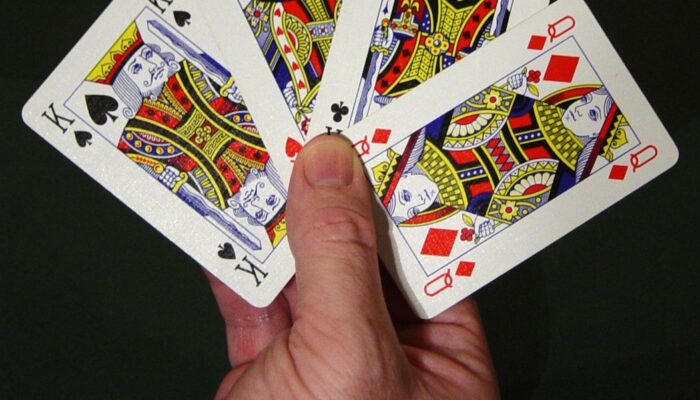
Cards appear frequently in dream narratives, serving as potent symbols of chance, decision‑making, and the interplay between fate and free will. Whether the dreamer is shuffling a deck, drawing a single card, or observing a game in progress, the imagery invites an examination of personal agency, hidden anxieties, and cultural meanings attached to these familiar objects.
Core Symbolic Themes
- Choice and Possibility – Cards represent a set of options; drawing one can mirror a decision the dreamer faces in waking life.
- Chance and Uncertainty – The random nature of a shuffled deck evokes the unpredictable elements of existence.
- Fate and Predestination – In many traditions, cards are viewed as a metaphor for a pre‑written script that unfolds as the cards are dealt.
- Power and Status – High‑ranking cards (kings, queens, aces) may reflect aspirations for authority or feelings of inadequacy when low cards dominate.
Cultural and Religious Interpretations
Christianity
Within a Christian framework, cards can echo the parable of the talents (Matt. 25:14‑30), urging the dreamer to steward gifts wisely. Dreaming of a discarded or lost card may be interpreted as a warning against squandering divine opportunities.
Islamic Tradition
Although gambling is discouraged in Islam, cards in a dream may symbolize the tension between qadar (divine decree) and human effort. The image can prompt reflection on trust in God’s plan while acknowledging personal responsibility.
Hindu Philosophy
In Hindu thought, cards may be linked to karma and dharma. The act of dealing cards can represent the unfolding consequences of past actions, urging the dreamer to align present choices with their spiritual duties.
Other Cultural Perspectives
Various folk traditions view cards as talismans of luck or as tools for divination (e.g., tarot). In such contexts, a dream about cards may be read as an omen—positive if the cards are favorable, cautionary if they are reversed or broken.
Psychological Perspectives
Freudian View
Sigmund Freud regarded dreams as expressions of repressed wishes. A card in a Freudian reading might symbolize a hidden desire for control (the act of shuffling) or a fear of randomness (the unpredictability of the draw).
Jungian Analysis
Carl Jung introduced the concept of archetypes residing in the collective unconscious. Cards can embody archetypal figures such as the Gambler (risk‑taker), the Strategist (planner), or the Sage (seeker of hidden knowledge). Dreaming of specific suits or numbers may correspond to personal or universal motifs.
Contemporary Symbolic Frameworks
Modern dream‑interpretation guides often categorize cards under the broader theme of “decision symbols.” The specific suit—hearts, spades, clubs, diamonds—can add nuance: hearts may relate to emotions, spades to challenges, clubs to growth, and diamonds to material concerns.
Practical Guidelines for Interpreting Card Dreams
- Identify the Context: Note whether you were playing, watching, or simply holding cards.
- Observe the Cards: Which cards appeared? High‑ranking, low‑ranking, or a specific suit?
- Reflect on Current Life Choices: What decisions are pending? The dream may be mirroring those crossroads.
- Consider Emotional Tone: Feelings of excitement, anxiety, or indifference can indicate whether the symbolism is empowering or warning.
- Integrate Cultural Background: Align the imagery with any religious or cultural beliefs you hold, as these shape the symbolic language of the dream.
Conclusion
The dream meaning of cards is multifaceted, weaving together themes of chance, choice, destiny, and inner desire. By examining the cultural, religious, and psychological layers of this symbol, dreamers can gain insight into their decision‑making processes, confront latent anxieties, and align their waking actions with deeper values.
FAQ
What does it mean to dream of drawing the Ace of Spades?
The Ace of Spades often signifies a powerful new beginning combined with underlying tension or challenge, reflecting both opportunity and potential difficulty.
Why do some cultures view card dreams as omens?
In traditions that associate cards with divination, the specific cards or their arrangement are interpreted as messages about future events or moral guidance.
Can a dream about losing a deck represent anxiety?
Yes. Losing a deck can symbolize feelings of losing control, uncertainty about options, or fear of missing opportunities in waking life.



Leave a Reply