
Short Answer
Introduction
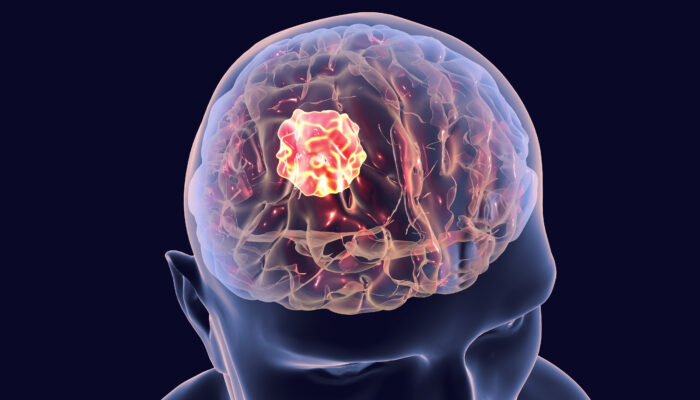
Across cultures, dreams serve as a mirror of the subconscious, projecting fears, hopes, and unresolved conflicts through vivid imagery. A brain tumor—a serious medical condition—appears in dreams less often than common symbols, yet when it does, it carries a potent mix of personal and collective meanings. This article unpacks the various layers of interpretation, from modern psychology to traditional religious perspectives, and suggests ways to integrate the insight into waking life.
Psychological Interpretation
From a contemporary psychological standpoint, a brain tumor in a dream often symbolizes mental overload or internal conflict. The following points summarize the most frequently reported associations:
- Cognitive Dissonance: The dream may signal a clash between one’s values and actions, creating a feeling of “something is wrong” in the mind.
- Stress and Decision‑Making: A sense of pressure—whether from work, relationships, or major life choices—can manifest as a tumor that threatens normal brain function.
- Suppressed Emotions: Unexpressed anger, grief, or anxiety can be visualized as a growth that blocks the free flow of thoughts.
Therapeutic approaches recommend journaling the emotions surrounding the dream, identifying specific stressors, and exploring coping strategies such as mindfulness or counseling.
Symbolic Meaning
Dream symbols operate through metaphor. A brain tumor, like any physical obstruction, can represent a blockage in the realm of ideas, creativity, or personal development.
| Symbolic Element | Possible Interpretation |
|---|---|
| Growth inside the brain | Unresolved mental or emotional issue that needs attention |
| Pain or pressure | Feeling overwhelmed by expectations or responsibilities |
| Medical intervention | Desire for external help—therapy, mentorship, or education |
When the dream includes treatment (e.g., surgery), it may indicate a readiness to confront and remove the obstacle. Conversely, a lack of treatment can suggest avoidance.
Religious and Spiritual Perspectives
Christian View
In many Christian traditions, the brain is associated with the “mind of Christ” (1 Cor 2:16). A tumor may symbolize spiritual stagnation or a struggle with faith. Passages such as Romans 12:2, which urges believers to “renew [their] mind,” are often cited as a call to spiritual renewal and prayerful reflection.
Islamic View
Islamic dream interpretation (taʾbīr) treats the brain as the seat of intention (niyyah). A tumor can be interpreted as a warning against harmful thoughts or deeds that corrupt the soul. Scholars advise the dreamer to seek repentance (tawbah) and to replace negative patterns with acts of charity and remembrance (dhikr).
Other Traditions
In some Eastern philosophies, the brain represents the “third eye” or inner wisdom. A tumor may be seen as an obstruction to intuitive insight, prompting practices such as meditation or yoga to clear the mental “energy channels.”
Cultural and Societal Context
Beyond individual meaning, the image of a brain tumor can echo broader societal anxieties—rising concerns about mental health, the stigma of illness, or the fear of losing cognitive abilities in an aging population. Media coverage of neurological diseases often amplifies these fears, which can surface in dreams as collective symbols of vulnerability.
Practical Guidance for Dreamers
- Record the Dream: Write down details immediately upon waking, noting emotions, colors, and any actions taken in the dream.
- Identify Current Stressors: Map the symbolic elements to real‑life pressures—work deadlines, relationship tension, health worries.
- Seek Balance: Incorporate stress‑reduction techniques such as deep breathing, exercise, or creative outlets.
- Consider Professional Help: If the dream recurs or triggers significant anxiety, a therapist or spiritual advisor can provide deeper insight.
- Reflect on Growth: View the tumor as a signal for personal development—perhaps a cue to pursue learning, therapy, or spiritual practice.
Conclusion
Dreaming of a brain tumor is a multifaceted symbol that can illuminate hidden psychological tension, creative blockage, or spiritual disquiet. By examining the dream through psychological, symbolic, and religious lenses, individuals gain a richer understanding of their inner landscape. Ultimately, the image invites the dreamer to confront the obstruction, seek healing—whether through self‑care, professional support, or faith—and transform the perceived threat into an opportunity for growth.
FAQ
What does a brain tumor symbolize in a dream?
It often represents a mental blockage, overwhelming stress, or a spiritual struggle that needs attention.
Should I be worried about my health if I dream about a brain tumor?
Dream symbols are not literal predictions; they reflect inner states rather than actual medical conditions.
How can I work with this dream to improve my waking life?
Identify sources of stress, practice stress‑reduction techniques, and consider therapy or spiritual practices to address the underlying issue.





Leave a Reply