
Short Answer
Overview
Dreams in which the dreamer experiences rejection—whether in a job interview, a romantic overture, or a social setting—are common and often unsettling. While the narrative may appear straightforward, scholarly and cross‑cultural analyses reveal multiple layers of meaning that link emotional states, symbolic language, spiritual teachings, and societal norms.
Psychological Interpretation
Emotions and Self‑Worth
Modern psychology links dream content to waking‑life affect. Rejection dreams frequently arise from feelings of inadequacy, low self‑esteem, or fear of not meeting external expectations. When the subconscious stages a scenario of being turned away, it externalises internal doubts, allowing the dreamer to confront them in a safe, symbolic arena.
Fear of Failure and Anticipatory Anxiety
Research on anxiety disorders shows that anticipatory stress often manifests as vivid dream imagery. Individuals who worry about upcoming evaluations—such as exams, promotions, or relationship milestones—may replay these fears as rejection scenes, providing a rehearsal that can either reinforce anxiety or, with awareness, reduce it.
Recurring Patterns and Dream Journaling
Documenting dreams over weeks reveals patterns. Repeated rejection motifs may signal unresolved conflicts, whereas a solitary occurrence could reflect a transient stressor. Dream journals serve as a longitudinal tool for tracking emotional evolution.
Symbolic Significance
In symbolic frameworks, rejection operates as a metaphor for exclusion, transformation, or the need for inner validation. The act of being turned away can indicate that the dreamer is being prompted to seek affirmation from within rather than from external sources. Symbolic analysis often pairs rejection with complementary images—such as doors, thresholds, or mirrors—to enrich interpretation.
Spiritual Perspectives
Christian Tradition
Within Christianity, rejection may echo the biblical narrative of Christ’s denial and subsequent perseverance. Dreamers interpreting rejection through this lens might view the experience as a test of faith, encouraging perseverance and deeper compassion for others who suffer marginalisation.
Islamic Viewpoint
Islamic dream literature frequently associates rejection with purification (tazkiyah). A dream of being dismissed can be interpreted as divine encouragement to detach from worldly attachments that hinder spiritual progress, urging the dreamer toward greater reliance on Allah.
Jungian Psychology
Carl Jung identified rejection as an expression of the “shadow”—the unconscious aspects of the personality that are denied or suppressed. Encountering rejection in a dream invites integration of these hidden traits, fostering psychological wholeness.
Other Spiritual Systems
Various indigenous and New‑Age traditions see rejection as a rite of passage, signalling that the individual is ready to transcend previous identity structures and embrace a broader sense of purpose.
Social and Cultural Context
Collectivist cultures, which place high value on group harmony, often amplify the emotional impact of rejection. Dreams reflecting social exclusion can therefore signal anxieties about losing communal support or violating cultural expectations. Conversely, in highly individualist societies, rejection may be linked to personal achievement and autonomy.
Media narratives and contemporary discourse also shape how rejection is perceived. The prevalence of “rejection culture” on social platforms can heighten sensitivity to perceived slights, which may surface in nightly dream sequences.
Practical Approaches to Interpretation
1. Record and Reflect
Begin a nightly journal noting the details of any rejection dream—setting, characters, emotions, and any symbols present. Over time, compare entries to identify recurring triggers.
2. Identify Core Emotions
Ask yourself: What primary feeling did the dream evoke? Fear, shame, anger, or perhaps relief? Naming the emotion is the first step toward processing it.
3. Relate to Waking Life
Map the dream scenario onto current life events. Are you awaiting feedback on a project? Is a relationship at a crossroads? Direct correlations often illuminate the subconscious message.
4. Use Symbolic Resources
Consult reputable dream dictionaries or scholarly works to explore the symbolic weight of ancillary images (doors, mirrors, audiences, etc.).
5. Seek Professional Insight
If rejection dreams cause significant distress, consider discussing them with a therapist trained in dream analysis or a spiritual advisor familiar with your belief system.
Conclusion
Dreams of being rejected are multifaceted phenomena that intertwine personal psychology, symbolic language, spiritual teachings, and cultural conditioning. By approaching these dreams with curiosity, systematic documentation, and an awareness of broader interpretive frameworks, individuals can transform a seemingly negative experience into a catalyst for self‑growth, resilience, and deeper self‑understanding.
FAQ
Why do I repeatedly dream about being rejected?
Recurring rejection dreams often point to unresolved anxieties about self‑worth or ongoing stressors that the subconscious is trying to process.
Can a rejection dream have a positive meaning?
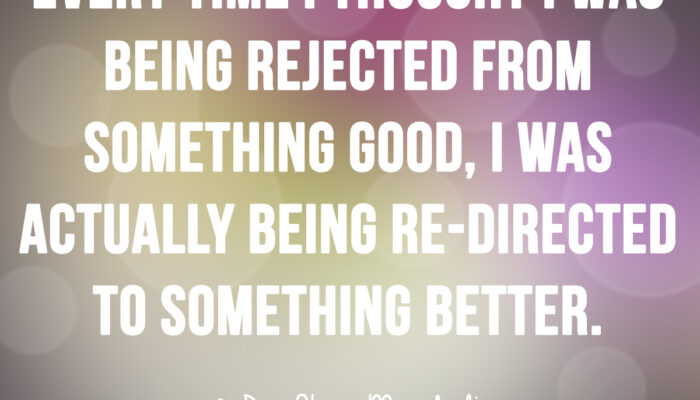
Yes. Symbolically, rejection can signal an invitation to seek internal validation, prompting personal growth and greater resilience.
Do cultural backgrounds influence how rejection dreams are interpreted?
Cultural norms shape the emotional weight of rejection; collectivist societies may link it to loss of communal belonging, while individualist cultures may relate it to personal achievement.





Leave a Reply