
Short Answer
Introduction
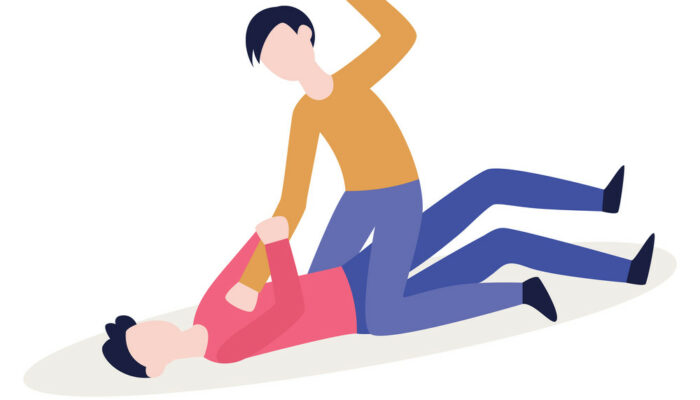
Dreams serve as a reflective surface for the subconscious, projecting feelings, memories, and conflicts that may be obscured in waking life. Among the most striking and unsettling of these projections is the image of physically assaulting another person. While the literal narrative suggests aggression, a comprehensive interpretation must consider psychological, symbolic, spiritual, and sociocultural contexts.
Psychological Perspectives
From a clinical standpoint, violent dream content frequently emerges when the dreamer is processing unresolved anger, anxiety, or trauma. Several theoretical frameworks help explain this phenomenon:
- Freudian view: The act functions as a displaced wish‑fulfillment, allowing the ego to express repressed hostilities in a safe, imagined arena.
- Jungian analysis: The assault represents an encounter with the Shadow, a collective archetype of disowned aspects of the self that must be integrated.
- Modern cognitive‑behavioral perspective: The dream acts as a rehearsal of coping strategies, granting a sense of control when the individual feels powerless in daily life.
Empirical research by G. W. Domhoff (2003) demonstrates a correlation between violent dream imagery and heightened stress levels, as well as recent exposure to conflict—whether personal or media‑derived.
Symbolic Interpretation
Violence in dreams rarely denotes a literal intention to harm. Instead, it operates as a metaphor for internal struggles. The specific symbolism depends on the dream’s context, the emotions experienced, and the identity of both the aggressor and the victim.
- Authority challenges: Beating a boss, teacher, or other figure of power may symbolize a yearning to assert autonomy or resist domination.
- Boundary setting: The assault can reflect a subconscious effort to create psychological distance from a domineering relationship.
- Self‑criticism: When the victim resembles the dreamer, the act may represent self‑punishment for perceived failures or inadequacies.
- Repressed emotions: The dream may be a conduit for pent‑up anger, grief, or fear that lacks an appropriate outlet in waking life.
Because symbols are highly personal, a thorough analysis should examine the dreamer’s life circumstances, recent stressors, and emotional tone during the dream.
Spiritual and Religious Contexts
Many spiritual traditions interpret violent dreams as moral or ethical signals, urging the dreamer toward inner purification:
- Christianity: Such a dream may be viewed as a reminder to practice forgiveness and to examine lingering resentment, aligning with biblical teachings on love and reconciliation.
- Islam: The imagery can serve as a warning against ill will, encouraging believers to seek peace, resolve conflicts through compassion, and perform appropriate supplications.
- Buddhism: Aggressive dream content may indicate unwholesome mental states (kilesas) that need to be observed mindfully and transformed.
In these frameworks, the dream is not considered sinful; rather, it is an invitation for spiritual self‑examination and growth.
Social and Cultural Influences
Contemporary media saturated with violent imagery—news reports, action films, video games—can prime the subconscious to rehearse similar scenarios. Additionally, broader societal tensions such as political unrest, economic uncertainty, or collective trauma often surface in personal dreams, turning individual aggression into a symbolic processing of collective fear.
Therapeutic Approaches
When a dream about beating someone up recurs or causes significant distress, several therapeutic strategies can be employed:
- Dream journaling: Recording the dream immediately upon waking captures vivid details that facilitate deeper analysis.
- Guided imagery re‑entry: In a safe therapeutic setting, the client can re‑enter the dream scene and intentionally alter the outcome, fostering empowerment and resolution.
- Emotion‑focused therapy (EFT): Identifying and processing underlying feelings—anger, fear, helplessness—reduces the need for violent symbolism.
- Schema therapy: Exploring entrenched belief patterns that may drive the violent narrative, such as “I must dominate to be safe.”
Integration and Personal Growth
Understanding the multilayered meaning of a beating‑someone‑up dream can catalyze personal development:
- Awareness: Recognize the emotions and conflicts the dream surfaces.
- Reflection: Examine how these issues manifest in waking relationships and behaviors.
- Action: Implement constructive coping mechanisms—assertive communication, boundary setting, or professional counseling.
Through this process, the unsettling dream transforms from a source of anxiety into a valuable guide for psychological resilience and compassionate self‑understanding.
Conclusion
Dreams of beating someone up are complex signals that intertwine personal conflict, subconscious symbolism, spiritual counsel, and sociocultural input. By examining these layers, the dreamer can uncover hidden emotions, address unresolved trauma, and cultivate healthier boundaries, ultimately promoting psychological resilience and personal growth.
FAQ
Why do I dream of beating someone up?
Such dreams often reflect unresolved anger, a desire for control, or an unconscious effort to set personal boundaries.
Is a violent dream a sign I will act aggressively in real life?
No. Dream aggression is symbolic and usually indicates internal conflict rather than a literal intent to harm.
How can I stop recurring violent dreams?
Practicing stress‑reduction techniques, limiting exposure to violent media before bed, and processing emotions through therapy can reduce recurrence.





Leave a Reply