
Short Answer
Overview
Autumn, the period between summer’s abundance and winter’s dormancy, is rich with metaphorical meaning. Its hallmark—changing foliage, cooler air, and the harvest—has inspired interpretations in folklore, religion, psychology, and dream analysis. When autumn appears in a dream, it usually signals a phase of personal transition, urging the dreamer to evaluate what is ending and what may be beginning.
Symbolic Dimensions
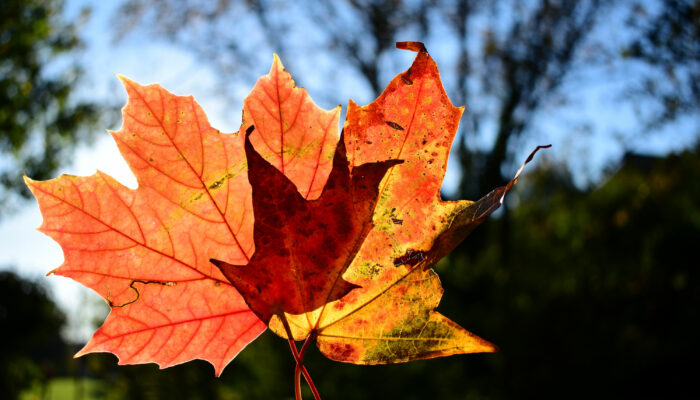
Visually, autumn presents a palette of golds, russets, and deep oranges. These colors convey both warmth and the approach of darkness, embodying the duality of loss and preparation. Key symbols associated with the season include:
- Falling leaves – the release of outdated ideas, relationships, or habits.
- Harvest – the culmination of effort and the acknowledgment of achievements.
- Crisp air – clarity, heightened awareness, and the invigorating shock of change.
Spiritual Interpretations
Christianity
In Christian thought, autumn’s cycle of decay and regeneration parallels the themes of resurrection and redemption. The shedding of leaves is likened to the stripping away of sin, while the promise of new life in spring reflects Christ’s resurrection. This season thus invites believers to engage in self‑examination and spiritual renewal.
Islam
Islamic teachings often associate autumn with testing and perseverance. The gradual loss of foliage serves as a reminder of life’s transient nature and the need for steadfast faith amid hardship. Enduring the season’s challenges is viewed as an opportunity to strengthen patience (sabr) and trust in divine wisdom.
Psychological Perspectives
Psychologists refer to the “autumn effect” to describe the mood shifts that accompany the season. Many experience a blend of nostalgia, melancholy, and introspection, which can foster personal growth when acknowledged. The season’s visual contrast—vivid colors set against shortening daylight—can also stimulate creativity and a renewed sense of purpose.
From a developmental standpoint, autumn mirrors the archetypal move from childhood’s exuberance to adult maturity, symbolizing the need to let go of former identities in order to assume new roles.
Dream Interpretation of Autumn
When autumn appears in a dream, the specific imagery refines its meaning:
- Dreaming of falling leaves may indicate unresolved emotions or relationships that require release.
- Seeing a bountiful harvest often reflects feelings of accomplishment, gratitude, or the expectation of future rewards.
- Walking through a foggy autumn landscape can suggest uncertainty about upcoming life changes.
Interpreters advise reflecting on personal circumstances—career shifts, relational transitions, or health concerns—to discern which aspect of the season’s symbolism is most resonant.
Conclusion
Autumn functions as a powerful metaphor for the cycles of decay and renewal that shape human experience. Whether viewed through cultural symbolism, spiritual doctrine, psychological research, or dream analysis, the season encourages a balanced appraisal of loss and gain. By attuning to autumn’s lessons, individuals can cultivate resilience, embrace transformation, and prepare for the new growth that follows.
FAQ
What does it mean to dream of a colorful autumn landscape?
It often reflects a desire for clarity and appreciation of personal achievements as you move toward change.
Why do many people feel nostalgic during autumn?
The combination of shorter days, cooler temperatures, and vivid colors can trigger memories, prompting reflective emotions.
Can autumn dreams help with decision‑making?
Yes; the season’s symbolism of letting go and harvesting can highlight areas that need release or further cultivation, aiding thoughtful choices.





Leave a Reply