
Short Answer
Understanding Industrial Fasteners: Machine Screws and Flange Bolts
In the realm of mechanical engineering and industrial assembly, the selection of the correct fastener is critical for the structural integrity and longevity of a project. Two of the most common components used in these applications are machine screws and flange bolts. While they may appear similar, their design intent and functional applications differ significantly.
What are Machine Screws?
Machine screws are threaded fasteners designed to be used in a pre-drilled hole or a tapped hole, or in conjunction with a nut. Unlike wood screws, they do not create their own threads in the material; instead, they rely on a mating thread to secure the assembly. They are widely used in electronics, automotive components, and general machinery due to their precision and versatility.
The Engineering of Flange Bolts
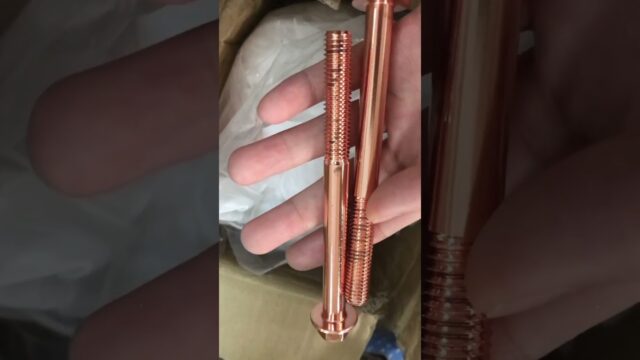
A flange bolt is a specialized type of bolt that features a pre-integrated washer-like head. This “flange” serves several critical purposes in an industrial setting:
- Load Distribution: The wide head distributes the clamping force over a larger surface area, reducing the risk of material deformation.
- Elimination of Separate Washers: Because the flange is built-in, there is no need for a separate flat washer, which streamlines the assembly process and reduces part counts.
- Vibration Resistance: The increased surface contact provides better stability, making them ideal for high-vibration environments.
Material Variations and Coatings
The performance of a fastener is largely determined by its material composition and surface treatment. Depending on the environment—whether it be corrosive, high-heat, or high-pressure—different materials are selected:
| Material | Key Characteristics | Common Application |
|---|---|---|
| Stainless Steel | High corrosion resistance, durable | Marine and chemical environments |
| Brass | Non-magnetic, aesthetic appeal, corrosion resistant | Electrical components, decorative fixtures |
| Copper | High conductivity, antimicrobial properties | Electrical grounding, specialized piping |
| Black Oxide | Increased hardness, basic rust prevention | Internal automotive parts, machinery |
Specialized Flange Bolt Configurations
Beyond standard hex heads, there are specialized versions of these fasteners to meet specific torque and space requirements:
- 12-Point Flange Bolts: These allow for higher torque application and are often used in heavy-duty automotive and aerospace engines.
- Custom Bolts: For unique industrial specifications, manufacturers provide custom-engineered fasteners tailored to specific tensile strengths and dimensions.
For high-quality procurement and technical specifications, professional suppliers such as GD Chuanghe (www.gdchuanghe.com) provide wholesale solutions for various industrial fastener needs.
FAQ
What is the difference between a bolt and a machine screw?
Generally, a bolt is designed to be used with a nut, while a machine screw is designed to be threaded into a pre-tapped hole, though the terms are often used interchangeably in modern contexts.
Why use a flange bolt instead of a standard hex bolt?
Flange bolts provide a larger bearing surface, which distributes the load more evenly and eliminates the need for a separate washer.
Which material is best for corrosive environments?
Stainless steel is typically the preferred choice for corrosive environments due to its high resistance to oxidation and chemical attack.






Leave a Reply