
Short Answer
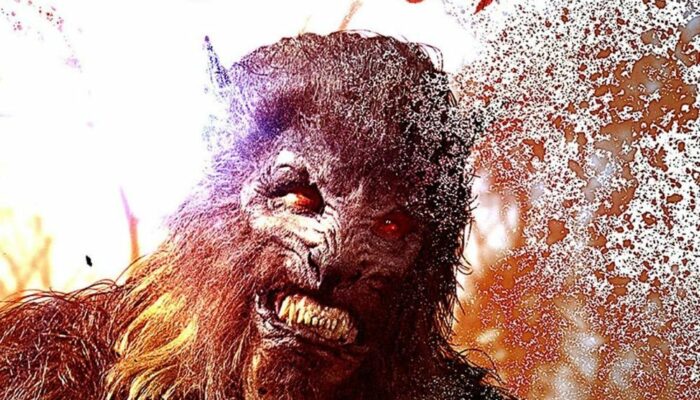
Encountering a wolf in a dream is a potent experience that often leaves the dreamer with a lingering sense of intensity. Whether the animal appears as a menacing predator or a majestic guide, the wolf serves as a complex symbol bridging the gap between our civilized existence and our primal nature. To understand the dream meaning of a wolf, one must examine the intersection of psychology, cultural heritage, and personal emotional context.
The Psychological Interpretation of Wolves
From a psychological standpoint, the wolf often functions as an archetype of the shadow self. According to Jungian psychology, the shadow encompasses the parts of our personality that we suppress, deny, or deem unacceptable. When a wolf appears in a dream, it may represent these latent instincts, desires, or fears attempting to surface for integration.
The Internal Conflict
Dreaming of a wolf can signify a struggle between the ‘inner hunter’ and the ‘inner nurturer.’ This duality reflects the human condition: the need for survival and aggression balanced against the need for community and care. Encountering a wolf may be an invitation to confront these opposing forces and find a psychological equilibrium.
Instinct and Intuition
Beyond the shadow, the wolf is a symbol of heightened intuition. A dream featuring a wolf may suggest that the dreamer needs to trust their gut instincts more fully or that they are awakening to a primal strength that has been dormant in their waking life.
Common Dream Scenarios and Meanings
The context of the dream significantly alters the interpretation. Consider the following common scenarios:
| Dream Scenario | Potential Interpretation |
|---|---|
| Being Chased by a Wolf | Feelings of anxiety, avoidance of a problem, or fear of one’s own aggressive impulses. |
| A Friendly or Calm Wolf | Harmony with one’s instincts, self-discovery, or a period of spiritual growth. |
| A Wolf Pack | Reflection on social dynamics, loyalty, family bonds, or feelings of isolation. |
| Fighting a Wolf | An internal struggle to overcome a specific fear or a conflict with a dominant personality in waking life. |
Cultural and Spiritual Perspectives
The wolf’s meaning varies wildly across different global traditions, often embodying a duality of danger and wisdom.
Indigenous and Totemic Meanings
In many Indigenous cultures, the wolf is revered as a teacher and a symbol of resilience. These traditions emphasize the wolf’s role in community and familial loyalty, viewing the animal as a guide that teaches the importance of cooperation and harmony with the natural world.
Abrahamic and Western Perspectives
Conversely, Western traditions—particularly within Christian biblical contexts—have often cast the wolf in a negative light. The phrase “a wolf in sheep’s clothing” illustrates the wolf as a symbol of deceit, predation, and hidden danger, serving as a cautionary tale against those who mask their true intentions.
Islamic Allegories
In Islamic traditions, while not a primary Quranic symbol, the wolf is often used in allegorical storytelling. It frequently represents the cunning nature of adversaries and underscores the necessity of vigilance and protection for the innocent.
The Logic of the Wolf: A Syllogistic Approach
To synthesize the wolf’s meaning logically, we can apply a syllogistic framework to understand why this animal is such a powerful symbol of the human psyche:
- Premise 1: All wild creatures embody aspects of our primal, uninhibited nature.
- Premise 2: The wolf is among the most intelligent and socially complex of wild creatures.
- Conclusion: Therefore, the wolf epitomizes the sophisticated exploration of our inherent instincts and social connections.
The wolf invites us to reconcile our civilized facades with our primal roots, urging us to embrace the tenacity and wisdom of the wild within.
Conclusion
Whether it appears as a threat or a companion, the wolf in your dreams is a mirror reflecting your internal state. By integrating the wolf’s lessons of loyalty, intuition, and raw power, you can navigate the labyrinth of your subconscious with greater clarity and courage.
FAQ
Is dreaming of a wolf always a bad sign?
No. While a threatening wolf may represent anxiety, a calm wolf often symbolizes intuition, strength, and a healthy connection to one's instincts.
What does it mean if I am part of a wolf pack in my dream?
This typically relates to your social life, suggesting a need for belonging, loyalty, or a reflection of your current support system.
How do I handle a nightmare involving wolves?
Psychologically, this is often an invitation to confront a fear you have been avoiding in your waking life.



Leave a Reply