
Short Answer
Introduction to Woodland Symbolism
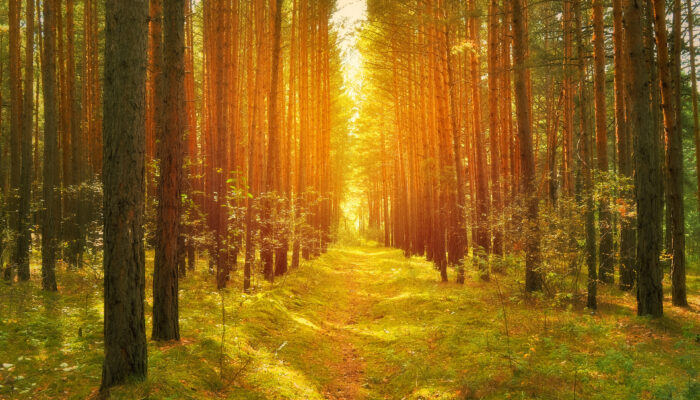
Throughout literature, cinema, and mythology, the woods have long served as a metaphorical backdrop for the human journey. From the Forbidden Forest in the Harry Potter series to the dark, treacherous woods of Dante’s Inferno, forests are rarely mere landscapes. Instead, they function as rich tapestries of symbolism, encapsulating human fears, aspirations, and the process of personal revelation.
Dreaming of woods often indicates a complex internal state, with interpretations varying based on the dreamer’s emotional context and cultural background. Generally, dense thickets and towering canopies symbolize the subconscious—a complex maze that the individual must traverse in search of enlightenment or resolution.
Psychological Perspectives: The Jungian Shadow
From a psychological standpoint, particularly within the framework of Carl Jung, the woods serve as a powerful archetype representing the unknown aspects of the psyche. Jung posited that forests in dreams often embody the shadow self—those repressed or hidden parts of the personality that the conscious mind avoids.
- Confrontation: Walking through eerie or dark woods may signify a brave confrontation with one’s fears.
- Healing: Navigating these twists and turns can lead to psychological healing and the reconsolidation of identity.
- Catharsis: The act of traversing the forest allows the dreamer to reconcile inner conflicts within a safe, albeit mystical, environment.
Cultural and Spiritual Interpretations
The meaning of woods shifts significantly across different spiritual and cultural traditions, oscillating between a place of danger and a place of sanctuary.
Abrahamic and Indigenous Perspectives
| Perspective | Common Symbolic Meaning |
|---|---|
| Christianity | Often represents a period of trial or a “spiritual wilderness” where faith is tested and divine guidance is sought. |
| Islam | Lush, verdant woods can symbolize paradise, hope, and divine mercy, mirroring the descriptions of the afterlife in the Qur’an. |
| Indigenous Traditions | Sacred spaces where Elder Trees represent wisdom and animals act as ancestral guides or spirit totems. |
Common Themes in Woodland Dreams
The specific narrative of the dream often dictates its meaning. Two common themes include:
Being Lost in the Woods
The experience of being lost is a universal human motif, echoed in stories like The Hobbit. In a dream, this typically maps the journey of life, where the dreamer confronts barriers that lead to eventual personal growth. It symbolizes a transition—a movement from one state of being to another.
The Logic of the Forest (Syllogism)
Applying a logical framework to dream analysis, one might use a syllogism to derive meaning: If all woods embody complexity, and the dreamer is currently navigating that complexity, then the dreamer is likely grappling with a personal crisis or a complex life challenge.
Conclusion
Ultimately, the significance of woods in dreams is not limited to fear or darkness. They beckon the seeker to explore the depths of their consciousness and the ancestral roots of their spirit. Whether viewed as a sanctuary or a source of trepidation, the woodland dream is a dynamic symbol that carves a path toward understanding the self in an increasingly complex world.
FAQ
What does it mean if I am lost in the woods in a dream?
It typically symbolizes a transition period in life or a feeling of being overwhelmed by complex challenges that lead to personal growth.
Why are the woods sometimes scary and sometimes peaceful?
This reflects the duality of the subconscious; it can be a place of repressed fear (the shadow) or a sanctuary of inner peace and spiritual renewal.
Is dreaming of a forest always a bad sign?
No. While it can represent confusion, it often signifies a journey toward self-discovery and the unlocking of untapped internal resources.



Leave a Reply