
Short Answer
Introduction
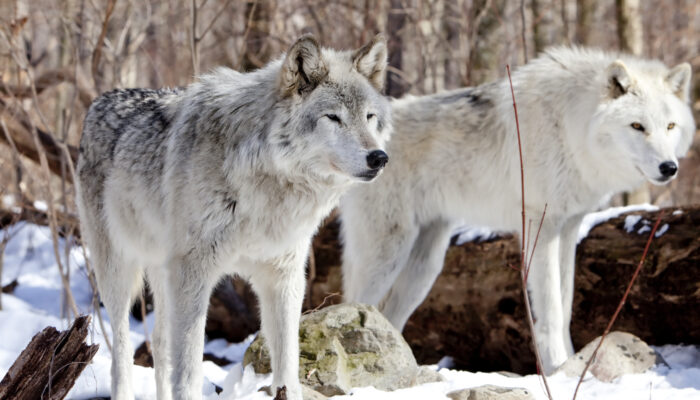
Throughout history, wolves have occupied a paradoxical space in human imagination—revered as noble guides and feared as relentless predators. When these animals surface in our dreams, they carry a layered vocabulary that speaks to the subconscious mind. Understanding the multiple dimensions of wolf dream symbolism can provide insight into personal challenges, relational dynamics, and spiritual aspirations.
Psychological Interpretation
From a Jungian perspective, animals function as archetypal images that convey aspects of the collective unconscious. The wolf often embodies the instinctual, untamed side of the self. Encountering a wolf in a dream may indicate a yearning to reconnect with primal energies that modern life suppresses.
- Wild instinct: A wolf can signal suppressed urges, creativity, or a need for authentic self‑expression.
- Isolation or abandonment: Dreaming of a solitary wolf may mirror feelings of loneliness or fear of being cut off from a supportive group.
- Resilience: As a fierce protector of its pack, the wolf can represent inner strength and the capacity to face adversity.
In therapeutic settings, exploring the emotions that arise during the wolf encounter—fear, awe, calm—helps the dreamer identify which psychological theme is most salient.
Symbolic Meanings
The specific actions and context of the wolf within the dream modify its symbolic message. Below is a concise table of common scenarios:
| Dream Scenario | Possible Interpretation |
|---|---|
| Howling wolf | Longing for connection, a call to voice inner truths, or an alert to unseen danger. |
| Wolf leading a pack | Leadership qualities emerging, or a need to align with a community. |
| Being chased by a wolf | Unresolved anxiety, feeling pursued by personal responsibilities or suppressed emotions. |
| Lone wolf in a forest | Independence, self‑reliance, or a period of personal transformation. |
| Wolves fighting | Internal conflict between competing drives or external rivalry. |
Spiritual Significance
Wolves occupy distinct spiritual roles across traditions:
- Christianity: Often depicted as a symbol of deception (e.g., “wolf in sheep’s clothing”), warning believers to discern falsehood.
- Native American cultures: Regarded as teachers and pathfinders. The wolf guides the tribe, embodying loyalty, courage, and communal harmony.
- Islamic folklore: Can represent both a looming challenge and a steadfast guardian, emphasizing the dual nature of trust.
- Shamanic traditions: The wolf serves as a totem animal, inviting the dreamer to trust intuition and navigate liminal spaces between worlds.
When a wolf appears in a spiritual context within a dream, it may be urging the sleeper to seek guidance from inner wisdom or to remain vigilant against deceit.
Cultural Perspectives and Modern Relevance
In contemporary media, the wolf is frequently associated with themes of transformation—consider the “lone wolf” archetype in literature and film. For younger generations navigating identity and community, the wolf can symbolize the tension between individuality and belonging.
“The wolf teaches us that we are strongest when we honor both our inner wildness and our ties to the pack.”
This duality resonates with modern concerns about authenticity versus social conformity, making wolf dreams especially poignant for those in transitional life stages.
Common Dream Scenarios and How to Interpret Them
- Howling at night: Reflects a desire to be heard. Consider areas in waking life where you feel muted.
- Running with a pack: Indicates cooperation and shared purpose. Ask yourself whether you are aligning with group goals.
- Wounded or dying wolf: Symbolizes neglected personal power. Explore ways to nurture your inner resilience.
- Friendly wolf companion: Suggests a protective inner guide. Pay attention to intuitive nudges that arise during the day.
Guidelines for Personal Reflection
To derive personal meaning from a wolf dream, follow these steps:
- Record the dream immediately upon waking, noting colors, sounds, and emotions.
- Identify the role of the wolf (leader, predator, ally, lone wanderer).
- Connect the wolf’s behavior to current life situations—relationships, work, or inner conflicts.
- Consider cultural or spiritual associations that personally resonate with you.
- Integrate the insight: set an intention to act on the message, whether it’s embracing courage, seeking community, or trusting intuition.
Conclusion
Wolf dreams are rich, multi‑layered symbols that bridge the psychological, symbolic, and spiritual realms. By examining the context of the wolf—its actions, its pack dynamics, and the emotions it evokes—dreamers can uncover guidance on personal strength, community belonging, and the wisdom of instinct. Whether the wolf appears as a fierce guardian, a solitary wanderer, or a howling herald, it invites a deeper dialogue with the hidden parts of the self.
FAQ
What does it mean if I dream of a wolf howling?
A howling wolf often signals a yearning to be heard or an alert to something important that lies beyond your conscious awareness.
Why do I feel scared when a wolf appears in my dream?
Fear reflects the primal danger associated with predators, but it can also highlight unresolved anxieties or a need to confront a threatening situation in waking life.
Can a friendly wolf in a dream be a positive omen?
Yes. A friendly or protective wolf typically represents an inner guide offering support, encouraging you to trust your instincts and inner wisdom.
Do wolf dreams have the same meaning across different cultures?
While core themes of instinct and community are common, cultural contexts add layers—e.g., wolves as tricksters in some folklore versus sacred teachers in Native American traditions.
How can I remember my wolf dream more clearly?
Keep a dream journal by your bedside and write down every detail immediately upon waking; this reinforces memory and aids later interpretation.



Leave a Reply