
Short Answer
Introduction
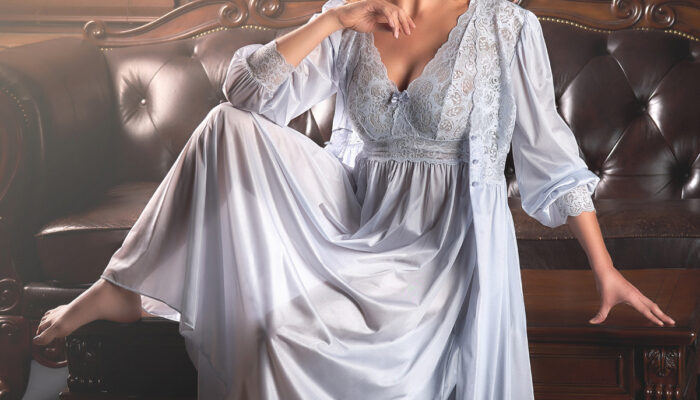
In the realm of dream symbolism, clothing frequently serves as a metaphor for the self. A nightgown—soft, flowing, and associated with rest—appears in dreams as a nuanced indicator of the dreamer’s inner state. This article examines the psychological, spiritual, and cultural layers of the nightgown symbol, offering a comprehensive framework for interpretation.
Psychological Interpretations
From a Jungian perspective, clothing represents the persona—the outward mask we present to the world. A nightgown, worn in a private, intimate context, often signals a yearning for authenticity and emotional safety.
- Vulnerability: The loose, unrestrictive nature of a nightgown can denote a willingness to expose one’s feelings.
- Need for Rest: Dreams featuring nightwear may highlight burnout or a subconscious call for relaxation.
- Transition: Because nightgowns are worn during the shift from wakefulness to sleep, they can symbolize a period of personal change or the need to let go of daily roles.
Freud linked nightwear to regression, suggesting that such dreams may reflect a retreat to an earlier developmental stage where the individual felt protected.
Spiritual and Religious Perspectives
Interpretations vary across traditions, yet common threads emerge.
Christianity
Clothing in Christian symbolism often conveys purity. A nightgown may represent spiritual innocence or a desire for inner cleansing.
Islam
Modesty is a central value. Dreaming of a nightgown can highlight concerns about personal modesty, humility, or the balance between private devotion and public conduct.
New Age and Feminine Archetypes
Within many contemporary spiritual frameworks, the nightgown aligns with the Divine Feminine, embodying nurturing, receptivity, and emotional fluidity.
Cultural and Gender Considerations
Societal norms frequently associate nightgowns with femininity. Consequently, the symbol can reflect gender‑related expectations:
- For women, the nightgown may underscore societal pressures surrounding vulnerability and domestic roles.
- For men, the appearance of a nightgown can signal an exploration of non‑traditional aspects of identity or a yearning for emotional openness.
Practical Guidance for Interpreting Your Dream
- Recall the emotional tone of the dream—was the nightgown comforting, unsettling, or neutral?
- Note any details such as color, condition, or activity while wearing it.
- Reflect on current life stressors that may be prompting a need for rest or vulnerability.
- Consider any spiritual practices you engage in that could influence the symbolism.
Symbolic Summary Table
| Aspect | Potential Meaning |
|---|---|
| Soft, flowing fabric | Emotional flexibility and openness |
| Worn at night | Desire for rest, subconscious processing |
| Color (e.g., white) | Purity, new beginnings |
| Damaged or ill‑fitting | Feelings of inadequacy or loss of protection |
Conclusion
The nightgown is a multifaceted dream symbol that weaves together themes of comfort, vulnerability, spiritual purity, and cultural identity. By examining emotional cues, contextual details, and personal belief systems, dreamers can gain valuable insight into their subconscious needs and future aspirations.
FAQ
What does it mean if the nightgown is torn in my dream?
A torn nightgown often reflects feelings of vulnerability or a perceived loss of protection in waking life.
Can the color of the nightgown change its interpretation?
Yes; for example, white may suggest purity or new beginnings, while dark colors can indicate hidden emotions or anxiety.
Is dreaming of a nightgown only relevant for women?
No. While culturally associated with femininity, the symbol can appear for any gender and typically points to universal themes of comfort and emotional openness.




Leave a Reply