
Short Answer
Understanding the Symbolism of Tickling
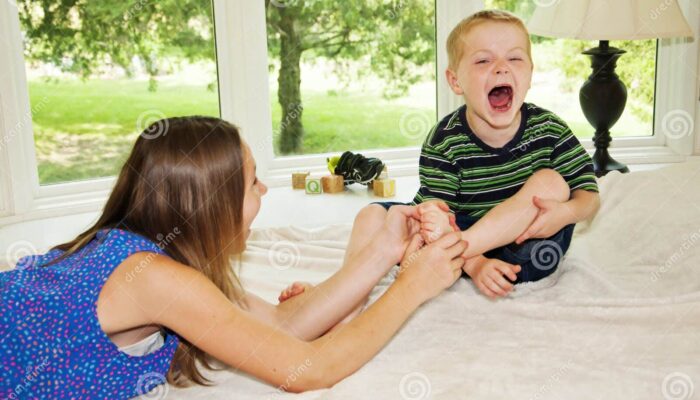
Tickling is frequently viewed as a lighthearted, jocular interaction, often associated with childhood play and familial bonding. However, when analyzed through the lenses of dream interpretation, psychology, and spirituality, the act of tickling reveals itself as a complex symbol. It represents a unique intersection of joy, vulnerability, and power dynamics, reflecting the intricate tapestry of human emotional experience.
The Duality of the Experience
The core of tickling lies in its binary nature. It can evoke an immediate sense of mirth and laughter, yet simultaneously trigger feelings of panic or a loss of control. This duality makes it a potent symbol in the subconscious, often mirroring the conflicting emotions a dreamer may be experiencing in their waking life.
Interpreting Tickling in Dreams
In the realm of oneiric analysis, dreaming of tickling serves as a communication tool for the subconscious. Depending on the role of the dreamer, the meaning can shift significantly:
- Being Tickled: This often symbolizes external pressures or societal expectations. It may represent a situation where the dreamer feels an involuntary reaction to a stimulus—feeling “pushed” or “prodded” into a response they cannot control. It can also highlight feelings of vulnerability or a perceived lack of boundaries.
- Tickling Others: Conversely, the act of tickling another person in a dream may symbolize an attempt to exert influence or a desire to connect with someone on a deeper, more playful emotional level. It may reflect a wish to break through social barriers or provoke a specific reaction from another individual.
These dreams often manifest during periods of high stress or when an individual is grappling with feelings of inadequacy. The laughter experienced in the dream may not always indicate happiness, but rather a nervous reaction to a situation that feels overwhelming.
Psychological and Neurobiological Perspectives
From a psychological standpoint, tickling is a fascinating study in human development and neurobiology. The involuntary response triggered by tickling is linked to the autonomic nervous system, creating a state that oscillates between laughter and gasping.
“The interplay of laughter and vulnerability during tickling provides a critical avenue for individuals to navigate their comfort zones and understand the nuances of consent.”
This interaction is integral to early childhood bonding, helping infants and children develop trust and intimacy with caregivers. By exploring these boundaries, individuals learn to distinguish between affectionate touch and the violation of personal space, which shapes their future interpersonal dynamics.
Spiritual and Cultural Interpretations
Across various spiritual paradigms, the laughter associated with tickling is interpreted as a reflection of the soul’s state:
| Perspective | Interpretation of Laughter/Tickling |
|---|---|
| Christianity | Often viewed as a manifestation of divine joy and the restorative essence of life; a reminder of God’s playfulness. |
| Islam | Seen as a virtue of joy and wholesome interaction, provided it is experienced with humility and moderation. |
| General Spirituality | An invitation to reconnect with the “inner child,” embracing spontaneity and liberation from societal rigidity. |
In many cultures, this form of laughter acts as a “social glue,” reinforcing communal bonds and fostering camaraderie. While it is predominantly an expression of affection, some cultural contexts emphasize the importance of individual autonomy, viewing unwanted tickling as a breach of personal boundaries.
Logical Frameworks and Human Behavior
In the study of syllogistic reasoning, tickling can be used to illustrate the connection between physical stimuli and psychological output. For example: All forms of laughter are responses to external stimuli; tickling is an external stimulus that induces laughter; therefore, tickling evokes laughter as a natural physiological response. This logical deduction underscores how a simple physical act can serve as a catalyst for complex social bonding and emotional release.
Conclusion
Whether appearing in a dream or as a physical interaction, tickling is far more than mere play. It is a powerful metaphor for the complexity of human connection, blending the lines between pleasure and discomfort, control and surrender. By understanding these layers, we can gain deeper empathy for ourselves and others, recognizing the profound significance of joy and vulnerability in our lives.
FAQ
Does dreaming of tickling always mean I'm happy?
Not necessarily. Because tickling involves a loss of control, it can symbolize anxiety, vulnerability, or external pressure even if laughter is present in the dream.
Why is tickling considered a 'dual' experience?
It is dual because it triggers a biological laughter response while often simultaneously creating a feeling of discomfort or a desire to escape.
What is the spiritual significance of playfulness in dreams?
Spiritually, playfulness often represents a connection to the divine or the 'inner child,' suggesting a need for more spontaneity and joy in one's waking life.




Leave a Reply