
Short Answer
Introduction to Anthropomorphized Dream Imagery
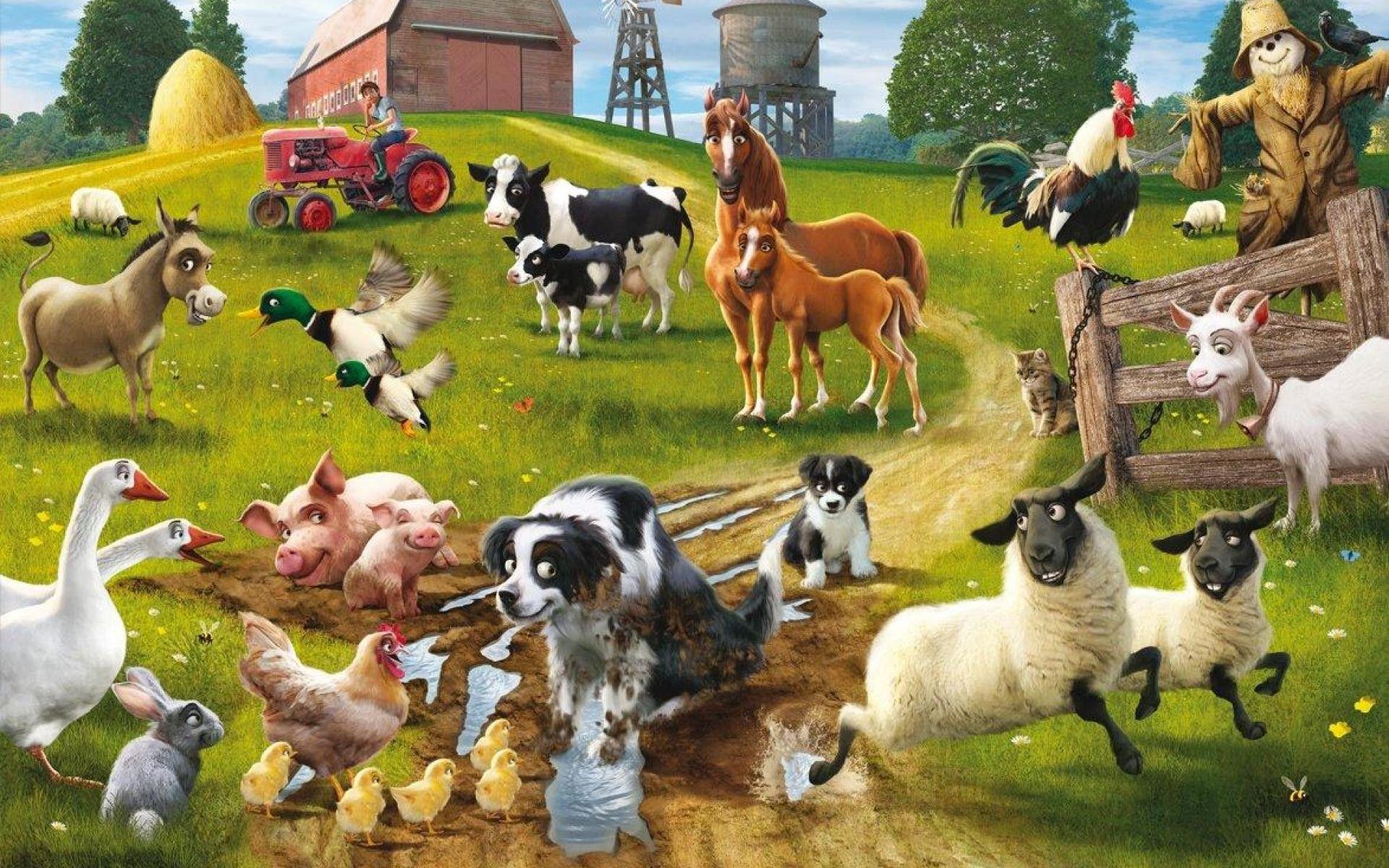
Dreams possess an enigmatic capacity to reflect our innermost thoughts and emotions, often wrapping profound meanings in the fabric of symbolic imagery. Among the plethora of dream motifs, talking animals stand out as particularly compelling, marrying the organic with the absurd. The presence of anthropomorphized creatures in our nocturnal visions may serve as an invitation to explore our aspirations and fears in a more relatable, externalized form.
When an animal speaks in a dream, it bridges the gap between the primal and the rational. As we delve into the myriad interpretations of these remarkable dreams, we can examine their significance through spiritual, psychological, and sociocultural lenses.
Spiritual and Religious Perspectives
The interpretation of talking animals varies significantly across different cultural and spiritual frameworks. In many traditions, these creatures are viewed not as mere hallucinations, but as messengers.
Abrahamic Traditions
Within Christian and Islamic contexts, talking animals often symbolize a divine message or a moral lesson. In Christianity, narratives such as the serpent in the Garden of Eden introduce themes of temptation and knowledge, suggesting that animals imbued with speech become vessels for moral and spiritual inquiry. Similarly, the concept of Noah’s Ark emphasizes a broader communication and understanding across species, reflecting the idea that all of God’s creations may convey wisdom.
Islamic Thought
In Islamic tradition, animals are often viewed with deep reverence, possessing a distinct form of knowledge. The Qur’an suggests that animals are communities akin to humans, implying that their voices may carry secrets of the natural and spiritual world. A talking creature in a dream may therefore represent a dialogue with ultimate truths, inviting the dreamer to reflect on their ethical dilemmas, faith journey, or path toward enlightenment.
Psychological Interpretations
From a psychological standpoint, talking animals often signify a projection of the dreamer’s subconscious desires, conflicts, or untapped potential.
Jungian Archetypes and the Psyche
Carl Jung, a pioneer of analytical psychology, posited that dream figures often represent archetypes or aspects of the psyche demanding attention. In this framework, a talking animal acts as a mirror for the dreamer’s internal state:
- The Wise Owl: May represent a longing for wisdom, intuition, or guidance.
- The Cunning Fox: Might denote strategic thinking or mischievous attributes the dreamer possesses or wishes to cultivate.
- The Loyal Dog: Could symbolize a need for companionship, loyalty, or unconditional love.
Bridging Instinct and Reason
Animals epitomize raw, primal emotions—such as fear, strength, and vulnerability. When these animals speak, they articulate feelings that may remain suppressed in waking life. This phenomenon allows the deeper layers of the psyche to surface, translating instinctive urges into rational language that the conscious mind can process.
Sociocultural and Mythological Contexts
The use of talking animals transcends individual psychology and is deeply embedded in the collective human tapestry of folklore and mythology.
Fables and Moral Lessons
Throughout history, cultures have utilized talking animals as sages. For example, Aesop’s Fables use animal characters to deliver timeless moral lessons. This tradition underscores the belief that non-human entities possess a wisdom that transcends the mundane, offering a multi-faceted approach to human understanding and societal values.
Childhood and Nostalgia
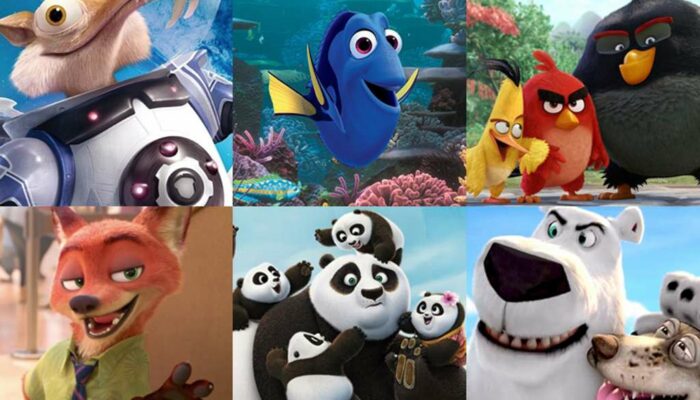
Modern dream imagery is also influenced by media. Many individuals grew up with animated talking animals in cartoons, intertwining these creatures with feelings of joy and fantasy. A talking animal may therefore evoke nostalgia, symbolizing a yearning to reconnect with the innocence, wonder, and creativity of youth.
Summary of Symbolic Meanings
| Perspective | Primary Meaning | Key Theme |
|---|---|---|
| Spiritual | Divine Messenger | Guidance & Faith |
| Psychological | Subconscious Projection | Self-Discovery & Instinct |
| Cultural | Moral Sage | Ethics & Folklore |
| Emotional | Nostalgic Trigger | Innocence & Creativity |
Conclusion
The dream meaning of talking animals is both vast and deeply personal. Whether viewed as a divine beckoning, a Jungian archetype, or a nostalgic echo of childhood, these fantastical encounters provide an opportunity for introspection and emotional healing. By engaging with these motifs, dreamers can unearth long-buried aspirations and confront their realities, ultimately nurturing a profound transformation of the self.
FAQ
Why do animals talk in my dreams?
It is often a way for your subconscious to communicate complex emotions or instincts using a more relatable or symbolic character.
Does the type of animal matter?
Yes, the specific traits associated with that animal (e.g., the wisdom of an owl or the cunning of a fox) usually color the meaning of the message.
Are talking animal dreams prophetic?
While some spiritual traditions view them as divine messages, most psychologists see them as reflections of the dreamer's internal psychological state.
Leave a Reply