

Short Answer
Introduction to Attack Dreams
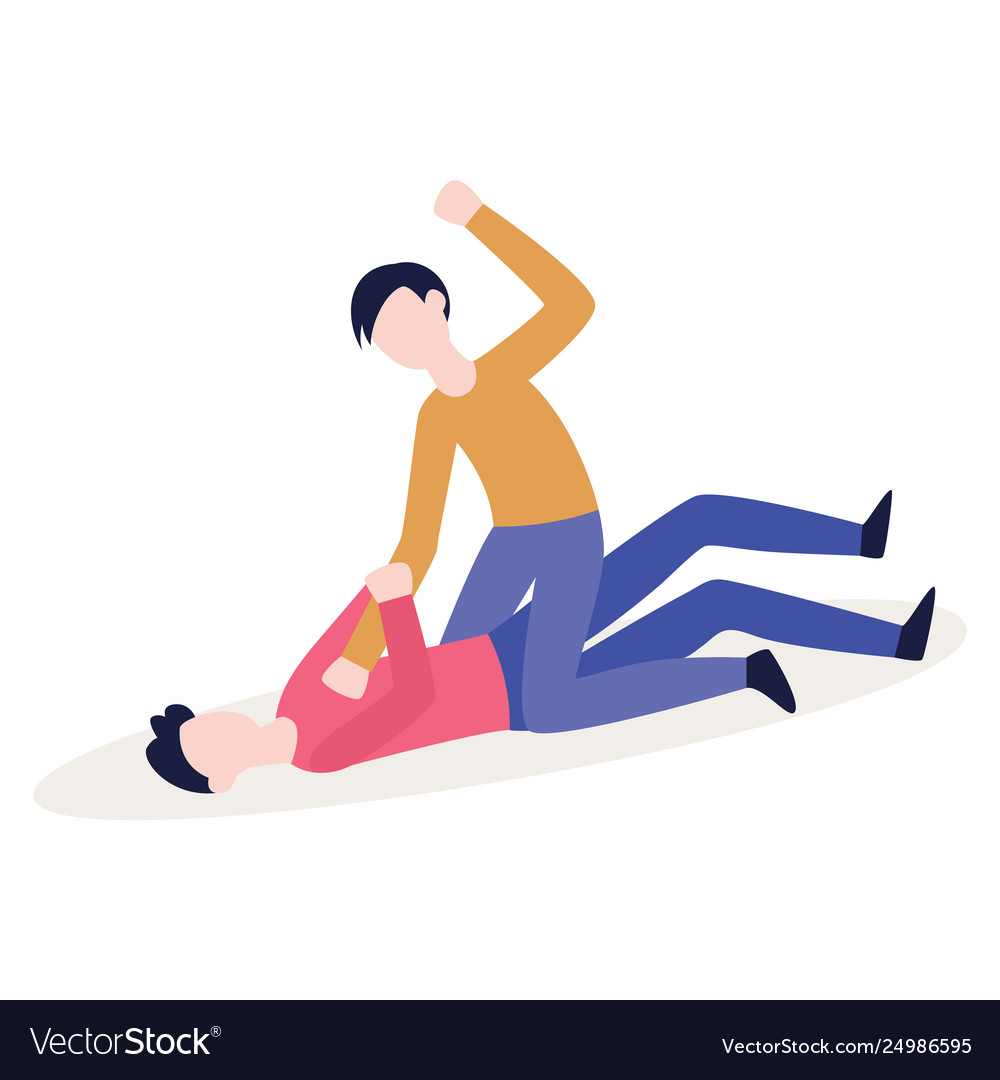
Dreams often weave intricate tapestries that reflect our subconscious, and the imagery of someone attacking you is a frequent motif that has captivated the minds of many. From the iconic scenes of Batman facing off against the Joker to Harry Potter battling Voldemort, narratives of conflict resonate deeply with our own fears and anxieties. Such dream sequences can elicit a cascade of emotions ranging from dread to confusion.
Examining the meanings behind these dreams can lead to profound insights. Whether we consider psychological interpretations, spiritual symbolism, or cultural contexts, understanding these nocturnal encounters allows us to address the underlying stressors in our waking lives.
The Logic of the Attack: What Does the Assailant Represent?
When interpreting a dream of an attack, the primary question is: What does the attacker represent? While a simple logical premise might suggest that an attack evokes fear and therefore the dreamer is afraid, the reality of human emotion is far more complex. Not every attack in a dream is rooted in a real-life physical threat.
Instead, these dreams often symbolize:
- Internal Conflicts: A battle between different desires or moral convictions.
- Unresolved Issues: Past traumas or arguments that have not been settled.
- External Pressures: Feelings of being overwhelmed by work, family, or societal expectations.
The assailant may not be a person at all, but rather a projection of a suppressed emotion or a life situation that feels threatening to the dreamer’s stability.
Symbolic and Cultural Interpretations
Diving deeper into the dream’s symbolic lexicon reveals that attackers often embody specific archetypes. The identity of the attacker provides a critical clue to the dream’s meaning:
| Attacker Identity | Potential Symbolic Meaning |
|---|---|
| Unknown Figure | General anxiety, fear of the unknown, or a lack of control in life. |
| Known Person (Friend/Colleague) | Underlying tension, betrayal, or unresolved conflict within that specific relationship. |
| A Shadowy Version of Yourself | Self-sabotage, guilt, or a struggle with a disliked trait of one’s own personality. |
Furthermore, cultural contexts influence these interpretations. In Western cultures, dreams are often viewed through an individualistic lens, focusing on personal psychology. In contrast, collectivist cultures may frame an attack as a disruption in community harmony, suggesting the dream is a reflection of social pressures or familial dynamics.
Spiritual Significance Across Traditions
The spiritual connotations of being attacked in dreams vary significantly across religious and philosophical traditions:
Christian Perspectives
Within Christian contexts, such dreams may be viewed as divine warnings or manifestations of spiritual warfare. Biblical interpretations may posit that an attack signifies a challenge between good and evil forces. For instance, referencing Ephesians 6:12, it is suggested that struggles are often against spiritual forces, making the dream a call to bolster faith and seek divine guidance.
Islamic Interpretations
In Islamic traditions, an attack in a dream may be seen as a reflection of one’s own shortcomings or a manifestation of the trials of life. Some scholars suggest these dreams denote external temptations or inner conflicts, urging the dreamer to seek refuge in prayer and mindfulness, reinforcing reliance on Allah’s guidance.
Indigenous and Other Frameworks
Native American beliefs and other shamanic frameworks may interpret attacks as messages from the spirit world. In these traditions, the dreamer might be urged to confront unresolved ancestral issues or receive warnings about upcoming dangers and opportunities, emphasizing the need for introspection.
Psychological Perspectives
From a clinical standpoint, the dream of being attacked articulates profound truths about our emotional states:
“The dream is the royal road to the unconscious.” — Sigmund Freud
Psychoanalytic and Jungian Views
Sigmund Freud argued that such dreams symbolize repressed desires or unresolved conflicts, illuminating aggression that remains unexamined in waking life. Carl Jung, however, proposed the concept of the Shadow Self. In Jungian analysis, the attacker represents the elements of the personality that have been neglected or disowned. Confronting the attacker is therefore an essential part of psychological healing and self-integration.
Cognitive and Behavioral Theories
Modern cognitive behavioral theories suggest that repeated nightmares of attacks may be symptoms of heightened anxiety or Post-Traumatic Stress Disorder (PTSD). For those experiencing chronic stress, these dreams serve as a cathartic mechanism, forcing the mind to process emotional struggles in a simulated environment.
Navigating and Resolving Recurring Attack Dreams
If you frequently encounter dreams where you are being attacked, the following steps can help you find resolution:
- Maintain a Dream Journal: Document the timing, the attacker’s identity, and your emotions to recognize recurring patterns.
- Identify Triggers: Reflect on waking experiences and emotional triggers that correlate with the dream’s content.
- Practice Mindfulness: Techniques such as meditation can reduce the overall anxiety levels that fuel these nightmares.
- Seek Professional Guidance: Therapy can provide a safe space to explore the psychological dimensions of these dreams and refocus energy on healing.
Conclusion
Dreams of being attacked encompass a rich tapestry of meanings—spanning psychological, spiritual, and symbolic domains. These nocturnal narratives are not merely manifestations of fear; they are potent reminders of the battles we face within ourselves and our environments. By engaging with these dreams, we can transform a terrifying experience into fertile ground for introspective exploration and personal growth.
FAQ
Does dreaming of someone attacking me mean I am in danger?
Not necessarily. Most often, these dreams are symbolic of internal stress, anxiety, or emotional conflicts rather than literal predictions of physical danger.
What if the attacker is someone I know in real life?
This often signifies underlying tension or unresolved issues within that specific relationship, or that the person represents a trait you are struggling with.
How can I stop these recurring nightmares?
Keeping a dream journal, practicing stress-reduction techniques, and addressing the waking-life stressors that trigger the dreams can help reduce their frequency.




Leave a Reply