
Short Answer
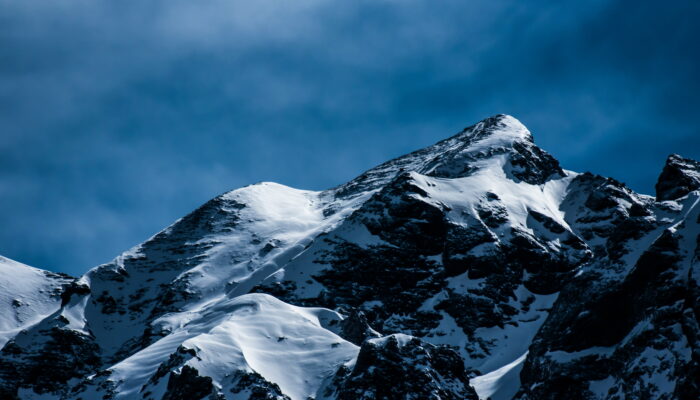
Snow-covered mountains, often visualized as majestic giants draped in white, evoke a profound sense of tranquility, awe, and solitude. In the realm of dream analysis, these frosted peaks serve as powerful archetypes, blending the stability of the earth with the purity of winter. This article explores the multifaceted interpretations of snow-covered mountains, examining their psychological implications, spiritual contexts, and symbolic significance across various cultures.
Psychological Interpretations of Snowy Peaks
From a psychological perspective, the imagery of snow-covered mountains often mirrors the dreamer’s current mental or emotional state. Because mountains typically represent challenges or milestones, the addition of snow introduces a layer of complexity to the interpretation.
Emotional Isolation and Burden
For some, snowy terrain may indicate feelings of emotional isolation or being overwhelmed by burdens. The coldness of the snow can symbolize a sense of detachment or a “frozen” emotional state where the dreamer feels unable to process grief or stress.
Clarity and Introspection
Conversely, these dreams often reflect a yearning for clarity. The white expanse of snow can signify a “blank slate,” suggesting a need for introspection and self-reflection. It is an invitation to explore the inner terrains of the soul, away from the chaos of daily life, to find a sense of peace and mental stillness.
Symbolic Meanings and Logic
The synergy between the mountain and the snow creates a unique symbolic motif. To understand this, we can apply a form of syllogistic reasoning to the imagery:
Premise 1: Mountains represent formidable challenges and obstacles.
Premise 2: Snow represents serenity, purity, and stillness.
Conclusion: Therefore, snow-covered mountains symbolize challenges that, when approached with peace and resilience, lead to personal growth and enlightenment.
Key Symbolic Associations
| Element | Symbolic Meaning |
|---|---|
| The Mountain | Strength, permanence, ambition, and spiritual ascent. |
| The Snow | Purity, freshness, new beginnings, and emotional coolness. |
| The Ascent | The arduous journey toward a goal or enlightenment. |
Spiritual and Cultural Perspectives
Across different faiths and cultural traditions, the image of a snow-clad peak carries distinct spiritual weights.
Christianity and Divine Purity
In Christian contexts, snow is frequently associated with the cleansing of sin and divine forgiveness, as referenced in the biblical metaphor of being “whiter than snow” (Psalm 51:7). A snow-covered mountain may represent the omnipotence of God—majestic, unyielding, and exalted. Scaling these heights symbolizes the human aspiration to connect with the divine.
Islamic Traditions and Stability
In Islamic thought, mountains are often viewed as symbols of stability and strength. Dreaming of snowy peaks may signify a sense of tranquility derived from submission to God’s will. The purity of the snow reflects spiritual clarity and the hope for a renewed journey of faith, echoing the Quranic presentation of nature as a reflection of divine grandeur.
Folklore and Resilience
Broadly, many cultures view mountains as the dwelling places of deities or the stage for epic battles between good and evil. These narratives emphasize that overcoming the mountain—especially in harsh, snowy conditions—requires endurance and perseverance. The snow suggests that while the struggle is formidable, the result is a rejuvenating and purifying experience.
Conclusion: The Duality of the Summit
The rugged majesty of snow-covered mountains serves as a reminder that serenity and struggle often coexist. Whether they appear as an obstacle to be overcome or a sanctuary for reflection, these dreams encourage the individual to embrace the journey. By understanding these symbols, dreamers can gain valuable insights into their own resilience and their pursuit of spiritual elevation. Ultimately, the snow-covered mountain whispers a timeless truth: that amidst life’s most arduous climbs, there is a layer of peace waiting at the summit.
FAQ
What does it mean to climb a snow-covered mountain in a dream?
Climbing such mountains typically represents personal ambition, spiritual quests, or the pursuit of enlightenment despite arduous challenges.
What is the spiritual significance of snow in dreams?
Snow often symbolizes purity, freshness, new beginnings, and in some religious contexts, the cleansing of sin and divine forgiveness.
Do snow-covered mountains always represent obstacles?
While mountains generally represent challenges, the presence of snow suggests that these obstacles can be approached with serenity, leading to personal growth.
FAQ
What does it mean to climb a snow-covered mountain in a dream?
Climbing such mountains typically represents personal ambition, spiritual quests, or the pursuit of enlightenment despite arduous challenges.
What is the spiritual significance of snow in dreams?
Snow often symbolizes purity, freshness, new beginnings, and in some religious contexts, the cleansing of sin and divine forgiveness.
Do snow-covered mountains always represent obstacles?
While mountains generally represent challenges, the presence of snow suggests that these obstacles can be approached with serenity, leading to personal growth.

Leave a Reply