
Short Answer
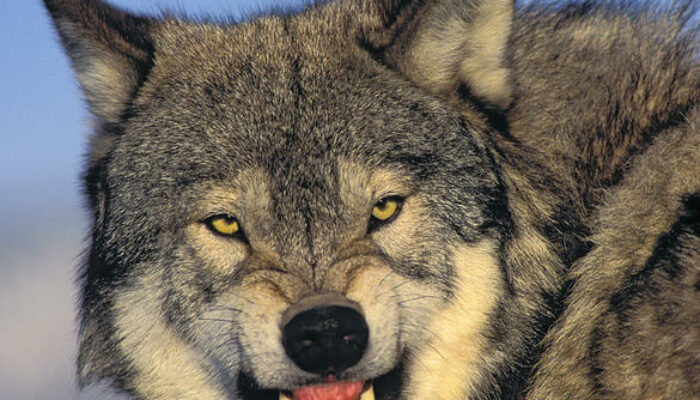
Throughout human history, wolves have occupied a significant place in the collective consciousness, serving as potent symbols of power, loyalty, and ferocity. When a wolf appears in a dream—particularly one that is snarling—it evokes intense imagery that can harbor multiple layers of meaning. These interpretations vary widely, spanning psychological, spiritual, and cultural perspectives, all of which provide insight into personal growth and self-awareness.
Symbolic Interpretation of the Snarling Wolf
In the realm of general symbolism, the snarling wolf embodies raw instincts and the untamed aspects of nature. The act of snarling—a warning sign of aggression—often represents suppressed emotions, unacknowledged fears, or a subconscious call to face one’s “shadow.” As an archetype, the wolf is deeply connected to the wilder, less disciplined parts of the human psyche.
For many dreamers, this image may indicate a struggle with authority or a quest for personal autonomy. It suggests a period of grappling with internal or external conflicts. Furthermore, the wolf’s aggressive posture highlights a fundamental duality: while it signifies aggression, it also symbolizes the innate necessity of self-defense. Such dreams may urge individuals to evaluate their boundaries, especially in relationships or professional environments where they feel cornered or threatened.
Religious and Spiritual Perspectives
Christian Biblical Context
Within a Christian biblical framework, wolves are frequently utilized as metaphors for danger, deception, and predatory behavior. A primary scriptural reference is the warning against “wolves in sheep’s clothing,” which describes individuals who present a benign exterior while harboring malevolent intentions (Matthew 7:15). In this context, a snarling wolf in a dream may serve as a spiritual injunction, advising the dreamer to remain vigilant against deceitful influences in their waking life.
Additionally, the wolf can be associated with isolation. This aligns with biblical themes regarding the importance of community and the perils of straying from the “flock” (John 10:12). Consequently, such a dream may resonate as a call to reconnect with a supportive community or to address feelings of spiritual or emotional separation.
Islamic Interpretations
In Islamic tradition, wolves are generally regarded with caution and are often interpreted as symbols of treachery or hidden enemies. A snarling wolf may be viewed as a direct warning of potential threats lurking within the dreamer’s social or professional circle, emphasizing the need for discernment and caution.
Beyond external threats, Islamic dream interpretation may view the wolf as a representation of inner conflict—specifically the struggle between primal desires and the moral compass. The snarling action can signify the turmoil experienced when one is tempted to deviate from a righteous path, encouraging a return to ethical conduct and spiritual rectitude.
Psychological Analysis
From a psychological standpoint, the snarling wolf is often seen as a projection of the unconscious mind. It may signify the emergence of repressed emotions, particularly anger, resentment, or fear. This aligns closely with Carl Jung’s concept of the “Shadow Self.”
The shadow encompasses all the thoughts, instincts, and desires that the conscious ego deems unacceptable or shameful. A snarling wolf may indicate that these shadow aspects are demanding acknowledgment and integration to achieve psychological wholeness.
The specific dynamics of the dream are crucial for interpretation:
- Feeling Threatened: If the dreamer feels paralyzed by fear, it may indicate issues surrounding control, vulnerability, or an inability to face a looming problem.
- Engaging the Wolf: If the dreamer stands their ground or interacts with the wolf, it suggests a readiness to embrace and understand the deeper, more complex layers of their own psyche.
Logical Synthesis: Connecting the Dots
To systematically analyze the meaning of this dream, one can apply a syllogistic approach to the emotional evidence:
| Premise Type | Proposition |
|---|---|
| Major Premise | Snarling wolves represent unaddressed fears or emotional turmoil. |
| Minor Premise | The presence of a snarling wolf in a dream is an invitation to confront internal struggles. |
| Conclusion | Therefore, dreaming of a snarling wolf is a profound reflection of one’s current psychological and emotional landscape. |
Conclusion
The snarling wolf in dreams is more than a simple nightmare; it is a complex symbol speaking to personal fears, spiritual warnings, and psychological truths. Whether interpreted through a religious lens or a clinical psychological framework, the wolf compels the dreamer to confront and integrate conflicting instincts. By facing the “wild” aspects of the psyche with courage and wisdom, individuals can transform these frightening images into catalysts for profound personal growth and self-awareness.
FAQ
Is dreaming of a snarling wolf always a bad sign?
Not necessarily. While it often represents fear or conflict, it is primarily a call to action for self-awareness and integration of suppressed emotions.
What does it mean if I fight back against the wolf?
Fighting back or standing your ground often symbolizes a readiness to confront your fears or resolve a long-standing internal conflict.
How does the biblical meaning differ from the psychological one?
The biblical meaning often focuses on external warnings and spiritual vigilance (deception), while the psychological meaning focuses on internal growth and the subconscious (the shadow).



Leave a Reply