
Short Answer
Introduction to the Symbolism of the Sleeping Baby
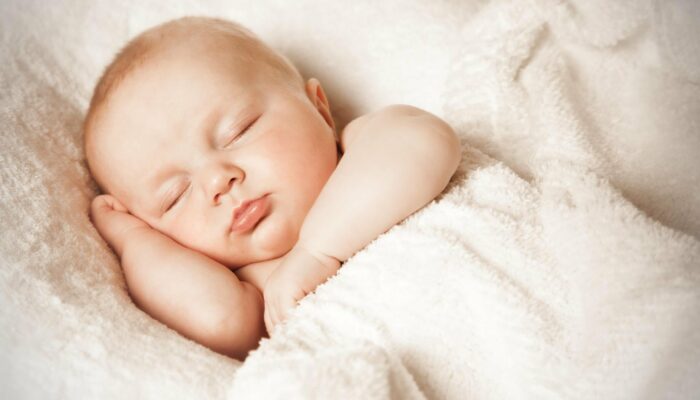
In the vast landscape of human subconsciousness, few images are as universally evocative as that of a sleeping baby. Throughout literature, folklore, and modern media—from the innocent beginnings of characters like Bambi to the endearing presence of Grogu (Baby Yoda) in Star Wars—the sleeping infant serves as a powerful symbol of purity, tranquility, and untapped potential. When these images appear in our dreams, they often trigger a profound emotional response, prompting us to question what our mind is attempting to communicate about our waking life.
Psychological Interpretations
From a psychological perspective, a sleeping baby often represents the internal state of the dreamer rather than a literal child. Different schools of thought offer varying insights into this imagery:
The Freudian Perspective: Repressed Desires
Sigmund Freud, the pioneer of psychoanalysis, suggested that dreams are manifestations of repressed desires and unconscious aspirations. In this context, dreaming of a sleeping baby may reflect:
- A longing for innocence: A subconscious desire to return to a time of total dependence and lack of responsibility.
- Nurturing instincts: An inherent drive to protect, care for, or develop a new creative project or aspect of one’s personality.
- Responsibility: For those in transition, the baby may symbolize the weight and care associated with new roles or life stages.
The Jungian Perspective: The Divine Child Archetype
Carl Jung expanded the understanding of dream symbols through the concept of archetypes. He viewed the image of a baby as the “Divine Child,” representing the unblemished part of the personality. To Jung, a sleeping baby symbolizes the Self in its nascent stage—potential that is currently dormant but waiting to be integrated into the conscious mind to achieve psychological wholeness.
Spiritual and Religious Perspectives
The meaning of a sleeping infant often shifts depending on the spiritual framework applied to the dream.
| Perspective | Primary Symbolism | Interpretation |
|---|---|---|
| Christianity | Divine Grace | Often linked to the Nativity; symbolizes hope, salvation, and a new spiritual beginning. |
| Islam | Mercy and Blessing | Viewed as a manifestation of divine generosity and a source of future joy. |
| Indigenous Cultures | Ancestral Connection | Represents the continuity of lineage and the sacred duty of nurturing future generations. |
Common Themes and Logical Frameworks
To understand a dream, one can apply a logical syllogism to the imagery. For example: If a sleeping baby symbolizes peace, and dreams reflect our subconscious needs, then dreaming of a sleeping baby suggests a yearning for inner peace.
This framework allows dreamers to ask critical introspective questions:
“Am I currently seeking solace in my waking life? Are there unresolved conflicts preventing me from achieving the serenity mirrored by the sleeping infant?”
Hope and New Beginnings
Beyond peace, the sleeping baby is frequently a harbinger of hope. It suggests that a new phase of life, a fresh opportunity, or a creative breakthrough is imminent. For expectant parents, this is often a direct reflection of their emotional anticipation and the fulfillment associated with parenthood.
Emotional Resonance and Nostalgia
In contemporary interpretation, these dreams often tap into deep-seated feelings of safety and nostalgia. The image of a quiet, sleeping child can conjure memories of the unconditional love and security experienced in early childhood. This can serve as a psychological mechanism to comfort the dreamer during times of high stress or emotional turbulence in adulthood.
Conclusion
The dream meaning of a sleeping baby is a rich tapestry woven from psychological needs, spiritual beliefs, and cultural heritage. Whether viewed as a Jungian archetype of the Self, a religious sign of grace, or a simple manifestation of a desire for tranquility, the image encourages the dreamer to look inward. By acknowledging the innocence and potential represented by the sleeping baby, one can find a path toward greater emotional clarity and a renewed sense of hope.
FAQ
Does dreaming of a sleeping baby always mean I want a child?
Not necessarily. While it can reflect a desire for parenthood, it more often symbolizes a 'new beginning,' a creative project, or a need for inner peace.
What if the baby in the dream is restless instead of sleeping?
A restless baby may indicate anxiety, untapped tension, or a part of your life that requires urgent attention and nurturing.
Why do I feel a strong sense of peace when I see a sleeping baby in a dream?
This is likely due to the universal association of infants with purity and the subconscious mind's attempt to provide comfort during sleep.



Leave a Reply