
Short Answer
Introduction to Shadow Figures in Dreams
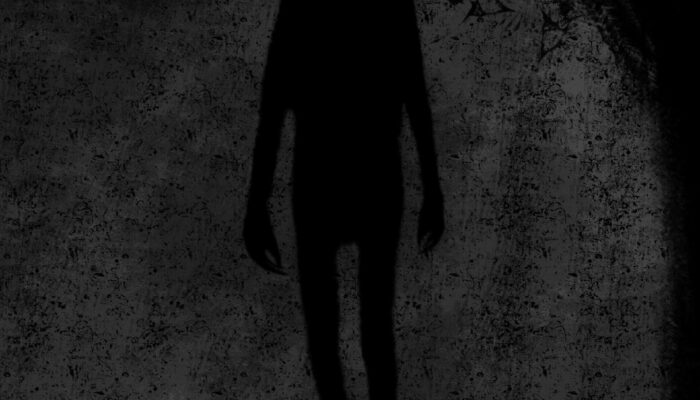
Dreaming of shadow figures is a profound and often unsettling experience that prompts individuals to delve deep into their subconscious. These elusive entities, characterized by their lack of distinct features and enveloping darkness, evoke a wide spectrum of emotions, from visceral fear to intense curiosity. Because shadow figures are inherently ambiguous, their meanings vary significantly across different psychological frameworks and cultural ideologies.
Understanding these dreams requires an amalgamation of psychological, symbolic, and spiritual insights. Rather than viewing them simply as nightmares, these encounters can be seen as invitations to scrutinize one’s own fears, repressed desires, and the intricate “shadow” aspects of the human psyche.
Psychological Interpretations: The Jungian Shadow
From a psychological standpoint, the presence of a shadow figure often denotes unresolved internal conflicts or repressed emotions. The most influential theory in this area comes from Carl Jung, who proposed the concept of the “Shadow Self.”
The Shadow Self and Integration
According to Jung, the shadow consists of the parts of our personality that we have obscured, denied, or rejected—often including feelings of guilt, shame, or anger. When these traits are not acknowledged in waking life, they manifest in the dream state as shadow figures. Encountering such a figure may signify:
- A Call for Integration: A beckoning to confront and accept the hidden parts of oneself to achieve wholeness.
- Mirroring Fear: The figure may act as a reflection of an anxiety the dreamer is avoiding.
- Hidden Motivations: The unconscious revealing truths that the conscious mind is reluctant to accept.
For example, a shadow figure lurking in the corner of a room may reflect a fear that something sinister or unresolved lies just beyond the dreamer’s current awareness, urging them to explore what they prefer to ignore.
Symbolic Meanings: The Duality of Light and Dark
Beyond individual psychology, shadow figures serve as powerful symbols of the dichotomy inherent in the human experience. The juxtaposition of light and darkness is a universal motif used in art and literature to represent the balance between opposing forces.
| Symbolic Element | Potential Interpretation |
|---|---|
| The Shadow | Ignorance, fear, suppressed impulses, or the unknown. |
| The Light | Knowledge, truth, consciousness, and enlightenment. |
| The Struggle | The internal battle to balance primal instincts with moral values. |
Grappling with a shadow figure in a dream can be interpreted as wrestling with one’s own impulses or even discovering suppressed talents that have not yet been realized or brought into the light of consciousness.
Spiritual and Cultural Perspectives
In spiritual traditions, shadow figures take on a different dimension, often representing external entities or spiritual milestones.
Religious Interpretations
- Christian Perspectives: Some interpretations suggest shadow figures may allude to demonic influences or personal sins. In this context, confronting the figure represents the process of repentance and the struggle for redemption to attain spiritual salvation.
- Islamic Teachings: Shadow figures may be perceived through the lens of jinn—spiritual entities capable of influencing human behavior. Such dreams may be viewed as warnings of spiritual unrest, prompting the dreamer to seek divine guidance and protection through prayer.
Indigenous and Ancestral Views
In various indigenous traditions, the connotation is often less fearful. Shadow figures may symbolize ancestral spirits or guides. These interpretations suggest that acknowledging the “shadows” of one’s lineage is essential for wisdom. True enlightenment, in this view, comes from a holistic embrace of all past experiences, including those cloaked in sorrow or shame.
Conclusion: Embracing the Darkness for Growth
The overall impact of dreaming about shadow figures is an invitation to an introspective journey. Whether these entities are perceived as psychological manifestations of fear, spiritual harbingers, or symbols of internal conflict, they compel the dreamer to engage with the hidden layers of the self.
“Embracing the shadow, rather than running from it, paves the way for personal transformation and growth.”
By navigating the shadows of their own lives, individuals can ultimately shed light on the path toward understanding, acceptance, and profound personal evolution.
FAQ
Is dreaming of a shadow figure always a bad sign?
No. While they can be frightening, psychologically they often represent an opportunity for personal growth and the integration of repressed emotions.
What should I do if I keep seeing shadow figures in my dreams?
Try keeping a dream journal to identify patterns and reflect on what areas of your life you may be avoiding or suppressing.
How does the Jungian shadow differ from a nightmare?
While a nightmare is defined by the fear it causes, a Jungian shadow dream is viewed as a symbolic communication from the subconscious intended to facilitate self-discovery.



Leave a Reply