
Short Answer
Overview
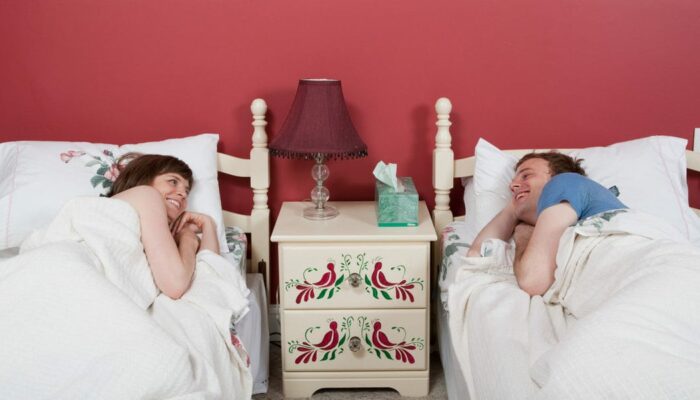
The simple act of sleeping in separate beds can carry a surprising amount of symbolic weight. Across dream interpretation, cultural customs, religious doctrine, and psychological research, the image of two beds apart serves as a metaphor for autonomy, emotional distance, and the balance between intimacy and individuality.
Dream Interpretation of Separate Beds
In the language of dreams, personal space often mirrors emotional space. When a dreamer sees themselves or a partner in a separate bed, the following themes commonly emerge:
- Desire for autonomy: The dream may signal a need to re‑establish personal identity within a partnership.
- Emotional distance: It can reflect unresolved conflict, feelings of disconnection, or a fear of becoming too enmeshed.
- Self‑care and boundaries: Recognizing the importance of personal space can be a healthy reminder that intimacy does not always require physical proximity.
These interpretations are not mutually exclusive; a single dream may blend several of these meanings, prompting the dreamer to examine both the desire for closeness and the need for independence.
Cultural Symbolism
Attitudes toward separate sleeping arrangements vary widely around the world.
Scandinavian Practices
In many Nordic households, couples commonly keep separate beds while sharing a bedroom. Researchers have linked this practice to higher reported relationship satisfaction, suggesting that personal sleep space can reduce nighttime disturbances and support individual well‑being.
Eastern Philosophies
Traditional Chinese concepts of yin and yang emphasize complementary opposites. Separate beds can be viewed as a physical expression of this balance—two distinct energies co‑existing without losing their individual qualities.
Western Historical Views
Historically, Western societies often equated shared beds with marital unity. However, modern shifts toward gender equality and personal health have prompted a re‑evaluation of the symbolic meaning of sleeping apart.
Religious Perspectives
Christianity
Within many Christian traditions, marriage is framed as a spiritual union that also respects personal sanctity. Separate beds may be interpreted as a practical means of fostering personal prayer, reflection, and spiritual growth before re‑uniting in shared intimacy.
Islam
The Qur’an encourages compassion and mutual respect between spouses. When conflict arises, temporary separation—such as sleeping in different beds—can be advised to prevent escalation, serving as a step toward reconciliation rather than a sign of marital breakdown.
Other Faiths
Various indigenous and Buddhist teachings stress the importance of mindfulness in daily activities, including sleep. Separate beds can symbolize a mindful separation of personal energy, allowing each partner to nurture inner peace.
Psychological Implications
From a clinical standpoint, preferences for distinct sleeping arrangements may be linked to several psychological factors:
- Attachment style: Individuals with avoidant attachment may favor physical distance as a protective strategy.
- Anxiety or insomnia: Separate beds can provide a sense of control over the sleep environment, reducing nighttime stress.
- Boundary setting: Clear physical boundaries often correspond with healthier emotional boundaries.
Therapists may explore a client’s sleep arrangement as a window into broader relational patterns, using it as a starting point for discussions about intimacy, dependence, and personal agency.
Contemporary Relationship Trends
Modern couples increasingly discuss sleep preferences openly. Surveys in North America and Europe indicate that a growing percentage of partners choose separate beds to improve sleep quality, reduce snoring disturbances, and honor personal routines. This trend reflects a broader cultural movement toward recognizing that love does not necessitate constant physical closeness.
Conclusion
Whether encountered in a dream, observed in cultural practice, or experienced in daily life, separate beds function as a rich symbol of the tension between togetherness and individuality. By examining the multiple layers of meaning—psychological, spiritual, and societal—individuals and couples can gain insight into their own needs for connection and autonomy, ultimately fostering healthier, more balanced relationships.
FAQ
What does it mean if I dream about my partner sleeping in a separate bed?
It often points to feelings of emotional distance, a desire for personal space, or an unconscious need to re‑establish individual identity within the relationship.
Are separate beds a sign of relationship trouble?
Not necessarily. While they can indicate unresolved conflict, many couples choose separate beds for practical reasons such as sleep quality, which can actually strengthen the partnership.
Do religious teachings discourage sleeping apart?
Interpretations vary. Some Christian and Islamic traditions view temporary separation as a tool for spiritual reflection or conflict de‑escalation rather than a prohibition.
Can my preference for separate beds be linked to my attachment style?
Yes. Individuals with an avoidant attachment style may favor physical distance as a protective mechanism, whereas secure attachment can also coexist with a preference for separate sleep for health reasons.




Leave a Reply