
Short Answer
Introduction to Serpentine Dream Imagery
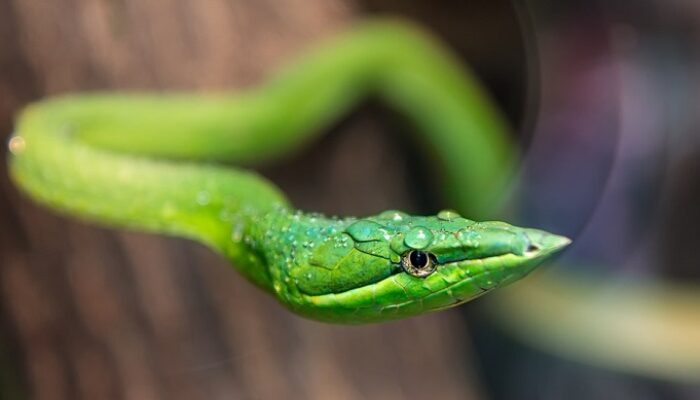
In the realm of oneiric experience, snakes often elicit a visceral and immediate response. Throughout human history, these creatures have circulated through various cultural narratives, emerging as potent symbols imbued with multifaceted meanings. The mere sight of a serpent in a dream can evoke a spectrum of interpretations—ranging from alarming warnings to signals of profound enlightenment.
These interpretations provide critical insights into the human psyche, communal belief systems, and the intricate tapestry of daily life. Rather than being mere random remnants of the subconscious, serpentine apparitions often reflect an individual’s expectations of the future, illuminating latent fears, desires, and the nuances of personal transformation.
The Logic of Interpretation: Syllogism in Dreams
To comprehend the dream meaning of seeing snakes, it is helpful to apply the concept of syllogism—a form of logical reasoning where a conclusion is drawn from two given or assumed premises. In the context of dream analysis, this logic allows the dreamer to connect a specific symbol to a personal feeling to reach a conclusion about their waking life.
For example, if a dreamer associates snakes with danger (Premise A) and is currently experiencing a volatile situation at work (Premise B), they may deduce that the snake represents a professional threat (Conclusion). By utilizing this framework, symbols serve as threads in the fabric of an individual’s experience, leading toward greater introspection and emotional awareness.
Symbolic Duality: Life, Death, and Renewal
From a symbolic perspective, snakes have historically functioned as emblems of duality. They frequently represent the dichotomy between opposing forces, such as:
- Healing and Poison: The ability to both cure and kill.
- Temptation and Wisdom: The lure of forbidden knowledge versus the insight gained from experience.
- Life and Death: The cycle of ending and beginning.
One of the most potent metaphors associated with the snake is the shedding of its skin. This biological process is widely interpreted in dreams as a symbol of rebirth and renewal. Consequently, dreaming of snakes may signify a significant period of transformation or personal growth, suggesting that the dreamer is on the cusp of a new chapter in their life.
Spiritual and Cultural Perspectives
The interpretation of snake dreams varies significantly across different religious and cultural frameworks:
Biblical and Christian Interpretations
In Christian contexts, serpents often embody sin, temptation, and malevolence, rooted in the narrative of the serpent in the Garden of Eden. From this viewpoint, a snake in a dream may serve as a cautionary signal, inviting the dreamer to confront moral dilemmas or personal struggles that may lead them away from their spiritual path.
Islamic Traditions
In Islamic narratives, snakes hold a complex dual significance. While they can symbolize the treachery of enemies and imminent danger, they are also regarded as vessels of knowledge and wisdom. A snake dream may therefore encourage the dreamer to seek divine guidance and explore their innate wisdom while remaining vigilant against external malevolence.
Native American and Indigenous Beliefs
Within various Native American spiritual teachings, serpents often embody fertility, growth, and a deep connection to the earth. The presence of a snake may signify the cycles of nature, implying that the dreamer’s future may be imbued with prosperity, creativity, or a rekindled passion for life. The snake’s ability to navigate both the grounded earth and the spiritual realm underscores the inherent duality of existence.
Psychological Analysis
Psychologically, snakes are often associated with repressed emotions or primal fears. Carl Jung, the pioneering psychiatrist, posited that dreams act as a window into the unconscious mind. In Jungian analysis, the snake can represent the archetype of the unconscious—aspects of the self that the dreamer is reluctant to confront, such as hidden anxieties or unresolved conflicts.
The Role of Personal Resonance
The emotional impact of a snake in a dream is heavily contingent upon the individual’s unique history. A person with a phobia of reptiles will likely interpret the dream as a nightmare reflecting dread, whereas someone who admires snakes may view the image as a symbol of power. This highlights the necessity of understanding one’s personal emotional landscape for an accurate analysis.
Conclusion
The dream meaning of seeing snakes transcends simple imagery, unfolding into a complex narrative of symbolic, spiritual, and psychological dimensions. Whether they appear as omens of danger or catalysts for evolution, these encounters beckon the dreamer toward personal enlightenment. By embracing these symbols, individuals can confront their fears, accept inevitable changes, and cultivate a deeper awareness of their inner selves.
FAQ
Is dreaming of a snake always a bad sign?
No. While some cultures associate snakes with danger, many others view them as symbols of healing, wisdom, and rebirth.
What does it mean if the snake is shedding its skin in my dream?
This is generally a positive sign indicating a period of personal growth, shedding old habits, and starting a new phase of life.
Why do I feel fear in a snake dream even if I'm not afraid of them in real life?
Psychologically, the snake may represent a repressed emotion or a hidden conflict rather than the animal itself.





Leave a Reply