
Short Answer
Overview
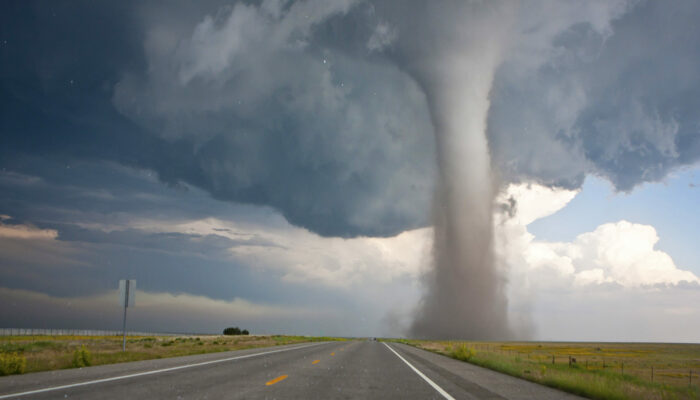
Dreams featuring a tornado are striking because they combine awe‑inspiring power with a sense of uncontrollable chaos. Such images can serve as mirrors of the dreamer’s inner state, highlighting stress, transformation, or spiritual questioning. This article examines the phenomenon from multiple scholarly perspectives.
Psychological Interpretation
From a modern psychological standpoint, a tornado in a dream often functions as a metaphor for overwhelming stress or anxiety. The swirling vortex can represent:
- Feelings of loss of control in personal or professional realms.
- Accumulated tension that seeks release.
- A subconscious warning that unresolved conflicts are escalating.
Therapeutic literature suggests that when the mind visualizes such extreme weather, it may be attempting to process emotions that feel too volatile for ordinary contemplation (Hall, 1974).
Symbolic and Transformational Meaning
Across cultures, tornadoes embody both destruction and renewal. The dual nature of the phenomenon supports the following symbolic readings:
| Aspect | Interpretation |
|---|---|
| Destruction | End of an old habit, relationship, or belief system. |
| Renewal | Opportunity for new growth after the storm passes. |
| Unpredictability | Life changes that arrive without warning. |
In Jungian theory, the tornado can be viewed as an archetype of the “storm”—a collective image that signals the psyche’s need to integrate disowned parts of the self (Jung, 1964).
Spiritual and Religious Perspectives
Christianity
Within Christian symbolism, severe weather often illustrates divine power or judgment. A tornado may be interpreted as a call to examine one’s faith, repent, or seek spiritual renewal. Biblical narratives such as the storm on the Sea of Galilee portray tumult as a setting for divine revelation.
Islam
In Islamic dream interpretation, natural calamities can signal a test from Allah or a reminder to align actions with moral principles. A tornado might prompt the dreamer to reflect on ethical conduct, community responsibilities, or to seek forgiveness.
Metaphysical View
Metaphysical frameworks treat the tornado as an expression of the interplay between chaos and order. The vortex symbolizes the dynamic balance that underlies creation, suggesting that periods of apparent destruction are integral to the larger pattern of existence.
Emotional Resonance and Catharsis
Beyond intellectual analysis, tornado dreams often produce a strong emotional release. The visceral sensation of being caught in a whirlwind can catalyze the processing of suppressed feelings, allowing the dreamer to emerge with greater emotional clarity.
“Dreams are the royal road to the unconscious; when they bring us the storm, they also bring the rain that nourishes new growth.” – Adapted from Carl Jung
Conclusion
Seeing a tornado in a dream is a multifaceted symbol that can indicate stress, imminent change, spiritual prompting, or a deeper metaphysical lesson about resilience. By examining the dream through psychological, symbolic, and cultural lenses, individuals can gain valuable insight into their waking lives and navigate future challenges with greater awareness.
FAQ
What does it mean if I feel safe during a tornado dream?
Feeling safe may indicate that you are successfully integrating change and that the transformation feels supportive rather than threatening.
Can a tornado dream predict an actual storm?
Dreams are not reliable predictors of weather events; they more commonly reflect internal emotional climates than external meteorological conditions.
How can I use a tornado dream for personal growth?
Reflect on areas of your life that feel chaotic, identify underlying fears, and consider concrete steps to regain a sense of control or embrace needed change.



Leave a Reply