

Short Answer
Introduction
Throughout literature and folklore, pathways serve as powerful metaphors for the journeys characters undertake—both literal and metaphorical. Iconic examples include Bilbo Baggins leaving the Shire and Alice descending the rabbit hole, each stepping onto a path that leads to discovery and transformation. In the realm of dreams, pathways carry similarly rich meanings, offering insight into the dreamer’s subconscious thoughts, spiritual beliefs, and emotional state.
Symbolic Meaning of Pathways in Dreams
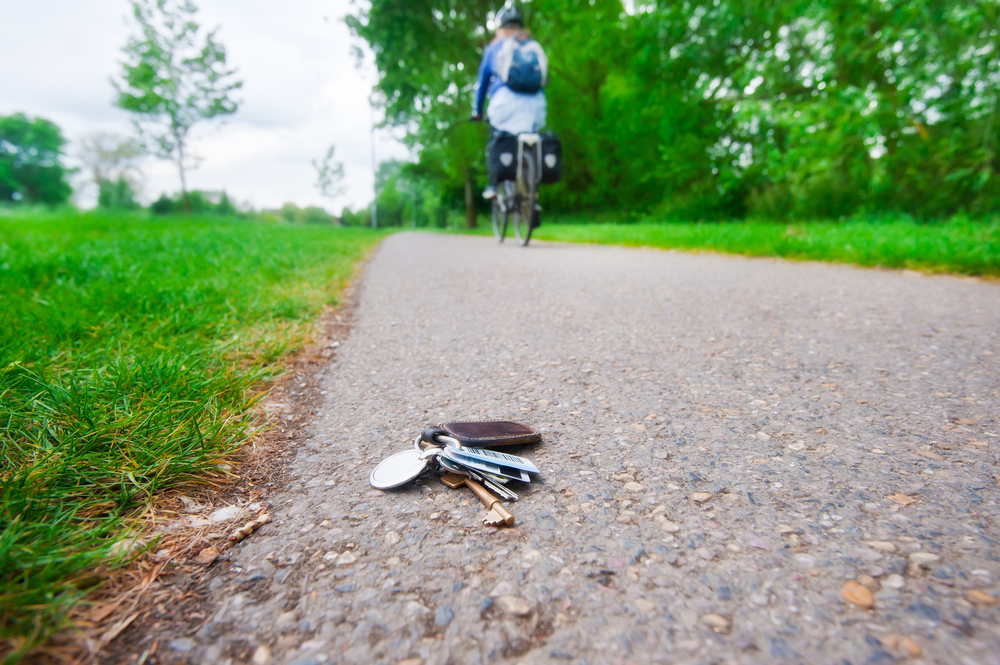
When a pathway appears in a dream, it generally represents the dreamer’s life journey. The condition of the path—its width, surface, lighting, and destination—mirrors the dreamer’s perception of current circumstances and future aspirations.
- Clear, well‑lit path: Indicates confidence, clarity of purpose, and a hopeful outlook toward goals.
- Winding or rocky trail: Suggests uncertainty, obstacles, or complex challenges that must be navigated.
- Obstructed or broken path: May reflect feelings of being blocked, anxiety, or a need for introspection.
- Destination of the path: Often symbolizes the dreamer’s desires—whether a tranquil garden, a towering mountain, or an unknown horizon.
These interpretations provide a framework for understanding how the subconscious translates life’s decisions into visual symbols.
Logical (Syllogistic) Analysis
Dreams can be examined through formal reasoning. A simple syllogism applied to pathways might read:
Major premise: All pathways in dreams symbolize choices in life.
Minor premise: This specific pathway appears in my dream.
Conclusion: Therefore, this specific pathway represents a significant choice I am currently facing.
Such deductive reasoning helps the dreamer move from vague impression to concrete insight, emphasizing the active role of cognition in dream interpretation.
Spiritual Perspectives
Christianity
In Christian tradition, pathways frequently denote the journey of faith. The Gospel of Matthew references the “straight and narrow path” (Matthew 7:14) as a symbol of righteousness and divine guidance. A dream featuring a straight, well‑maintained road may be interpreted as a call to align one’s actions with spiritual principles.
Islam
Islamic teachings speak of the “Sirat” (the bridge or path) that leads believers toward Allah’s mercy. In the Qur’an, the Sirat is described as a path that must be traversed with sincerity and righteousness. Dreaming of a smooth or illuminated Sirat can signify spiritual progress, whereas a broken or perilous bridge may reflect doubts about one’s adherence to Islamic tenets.
Indigenous and Eastern Traditions
Native American narratives view pathways as connections between the physical world and the spirit realm, emphasizing the lessons learned along the journey. In Buddhism, the concept of the “Middle Way” represents a balanced path between extremes, encouraging mindful progression toward enlightenment. Dreaming of a balanced, harmonious trail can thus echo these philosophical teachings.
Psychological Interpretation
From a Jungian perspective, pathways are archetypal symbols of the collective unconscious. Carl Jung argued that such images reveal the dreamer’s current state of consciousness. A clear, direct route may denote an integrated self, while a tangled, obscured path can signal inner conflict or unresolved material.
Color and texture further nuance the analysis:
- Vibrant, sun‑lit trail: Evokes optimism, vitality, and a sense of purpose.
- Dark, uneven path: Suggests fear, uncertainty, or depressive moods.
- Water‑logged or muddy ground: May represent emotional overload or feeling “stuck” in a situation.
Conclusion
Pathways in dreams synthesize literary heritage, logical structure, spiritual symbolism, and psychological depth. Whether the path is smooth or rugged, straight or winding, it mirrors the dreamer’s ongoing navigation of life’s choices. By attentively examining the details—direction, condition, and destination—individuals can gain valuable insights into personal development, spiritual alignment, and emotional well‑being.
FAQ
What does a smooth, straight pathway indicate in a dream?
It generally reflects clarity, confidence, and alignment with one’s goals or spiritual direction.
Why might a dreamer see a broken or obstructed path?
Obstructions often symbolize perceived obstacles, internal conflict, or a need to reassess one’s current life choices.
Can the type of terrain (e.g., forest vs. desert) affect the interpretation?
Yes; a forest may suggest the subconscious mind’s depth, while a desert can represent feelings of isolation or spiritual dryness.
Do religious traditions influence how pathways are interpreted?
Absolutely. Christianity, Islam, Indigenous, and Eastern traditions each attach specific symbolic meanings to paths, shaping personal dream analysis.



Leave a Reply