
Short Answer
Introduction to Art in Dreams
Throughout human history, paintings have functioned as more than mere aesthetic objects; they are profound vessels of meaning that provoke emotion and convey complex narratives. When art appears within the realm of dreams, it often serves as a sophisticated conduit for communication between the subconscious and the conscious mind. These visions can represent a spectrum of interpretations, from unfulfilled aspirations to deeply buried fears.
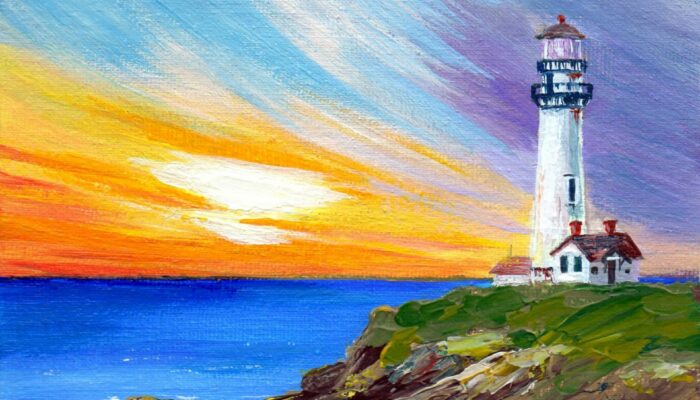
The significance of a painting in a dream is rarely static. Instead, it is heavily influenced by the dreamer’s emotional state and the specific characteristics of the artwork. For example, a vibrant landscape may denote hope and future potential, whereas a dark, abstract piece might reflect inner turmoil or psychological conflict.
Psychological Perspectives on Dream Art
From a psychological standpoint, the act of creating or observing a painting in a dream often symbolizes a longing for self-expression. It suggests a desire to manifest internal thoughts and emotions into a tangible, visible form. The specific elements of the painting provide critical clues to the dreamer’s state of mind:
- Color Palette: Vivid reds may indicate passion or anger, while soothing blues typically symbolize tranquility and peace.
- Artistic Style: Impressionistic works may represent a longing for a nostalgic, idyllic past.
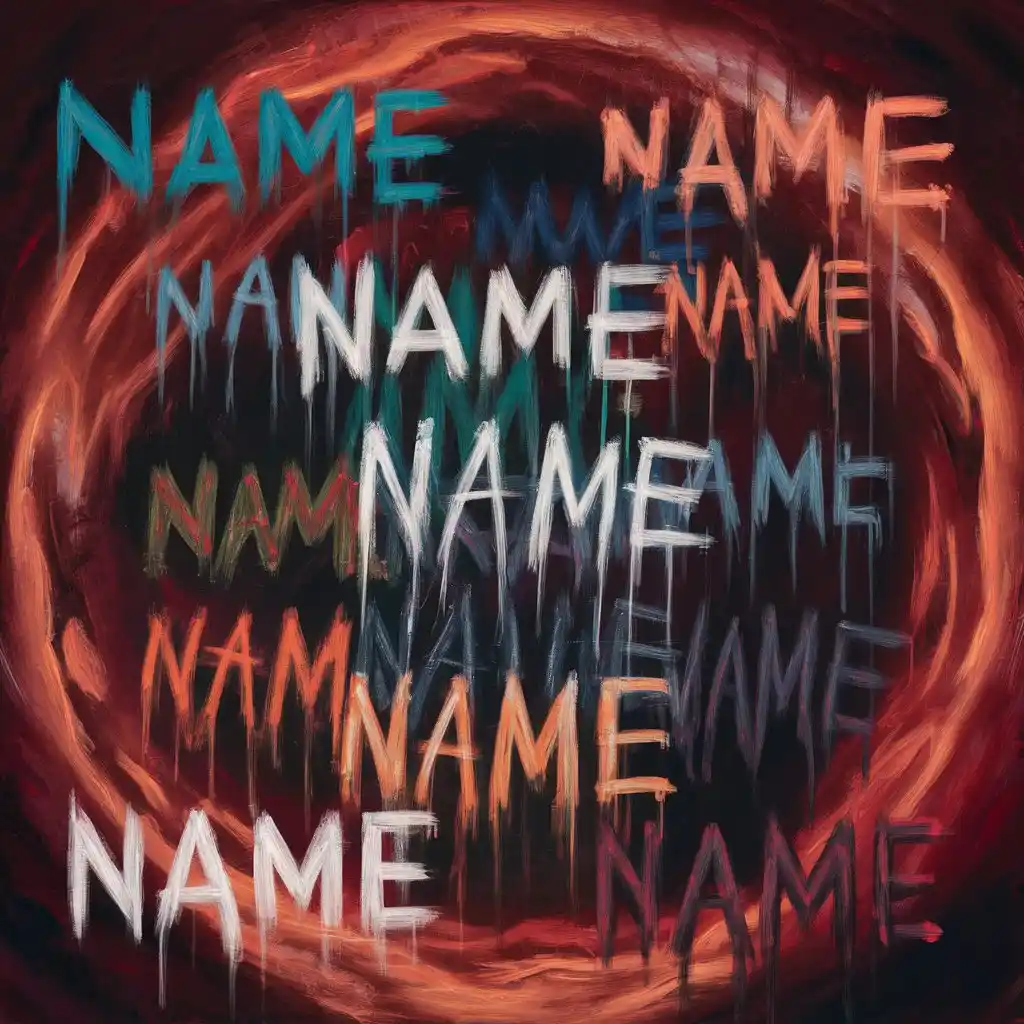
- Abstract Forms: Chaotic brushstrokes and incongruous colors often surface unresolved conflicts or repressed emotions that require catharsis.
The Jungian Approach
Carl Jung, the founder of analytical psychology, proposed that symbols in art resonate on a universal level through the collective unconscious. In this framework, a painting in a dream may be an archetypal image prompting the dreamer toward individuation—the psychological process of integrating different aspects of the self to become a whole individual.
Spiritual and Cultural Interpretations
Paintings frequently play pivotal roles in spiritual narratives, where iconography delivers theological messages and moral lessons.
Christian Iconography
In Christian contexts, dreams featuring paintings of crucifixions or biblical scenes often invite the dreamer to reflect upon divine narratives and foundational theological principles. These images engage the viewer’s spiritual yearning and underscore the historical and spiritual gravitas of the depicted moments.
Islamic Art and Calligraphy
Islamic culture emphasizes non-representational art due to specific theological underpinnings. Consequently, dreams featuring intricate calligraphy or geometric patterns often symbolize a quest for spiritual enlightenment and unity with the cosmos. The complexity of these designs reflects the complexity of existence, encouraging introspection and a search for inner peace.
Logical Frameworks for Interpretation
To derive deeper meaning from these dreams, one can apply a form of syllogistic reasoning to structure the interpretation. By establishing logical premises, the dreamer can move from the observation of the art to a conclusion about their own psyche:
Premise A: All artistic expressions reflect inner realities.
Premise B: This specific painting elicits a strong emotional response.
Conclusion: Therefore, this painting is not merely an aesthetic object but a direct reflection of the self.
Conclusion: The Mirror of the Soul
Ultimately, the dream meaning of paintings transcends the superficial veneer of pigment and canvas. They act as mirrors reflecting our innermost selves, spiritual quests, and psychological intricacies. By examining personal associations and cultural connotations, the dreamer can transform these colorful visions into a powerful tool for self-discovery. Each dream serves as a portal, ushering in new contemplations and enriching one’s understanding of their place in the world.
FAQ
What does it mean if I am painting in my dream?
Painting in a dream often symbolizes a desire for self-expression or a need to process emotions by making them tangible.
Do the colors in a dream painting matter?
Yes, colors are highly significant; for example, blues often represent peace, while reds can signify passion or conflict.
Why do I dream of abstract art instead of clear pictures?
Abstract art in dreams often mirrors complex, unresolved emotions or a state of psychological chaos that hasn't yet been categorized by the conscious mind.





Leave a Reply