
Short Answer
Introduction
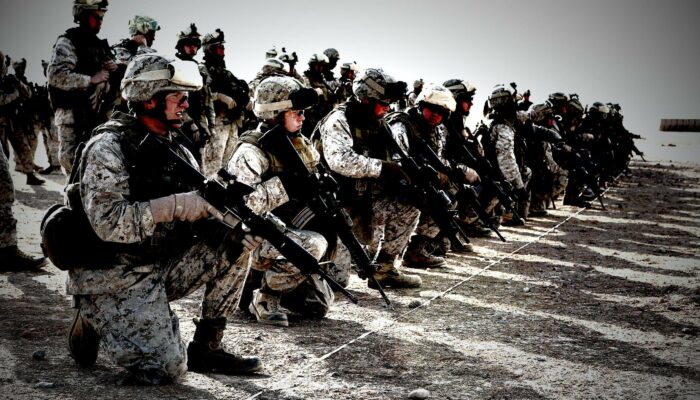
Dreams often act as mirrors of the subconscious, projecting familiar symbols that convey complex emotional messages. Among the most striking of these symbols is the military, which can appear as soldiers, battles, uniforms, or weaponry. Because the military embodies discipline, hierarchy, conflict, and collective purpose, its presence in a dream invites a multifaceted interpretation that spans psychology, spirituality, and cultural context.
Psychological Interpretations
From a modern psychological perspective, military imagery frequently signals a need for structure or a response to perceived chaos in waking life. Common themes include:
- Desire for order: Dreams of marching troops or regimented drills may reflect a yearning for routine, predictability, or control.
- Personal battles: Engaging in a simulated battle can mirror internal conflicts such as self‑doubt, relationship tension, or career challenges.
- Authority dynamics: Interactions with commanding officers often highlight the dreamer’s feelings toward power figures, ranging from reverence to rebellion.
When the dreamer envisions themselves as a soldier, it may indicate a readiness to confront adversity with courage and determination. Conversely, observing a war from a distance can suggest feelings of helplessness or detachment from one’s own problems.
Spiritual and Religious Perspectives
Christianity
In Christian tradition, the metaphor of a spiritual soldier is prevalent. The Apostle Paul writes that believers should “put on the full armor of God” (Eph. 6:11), equating faith with military preparedness. A dream featuring armor, shields, or a battlefield may therefore symbolize the dreamer’s spiritual vigilance, urging them to stand firm against moral or existential threats.
Islam
Islamic teachings associate the military with the concept of jihad, which encompasses both external defense of the community and the internal struggle against personal vices. Dreaming of soldiers or a defensive stance can reflect the dreamer’s commitment to justice, resilience, and the pursuit of spiritual integrity.
Indigenous and Other Traditions
Many Indigenous cultures honor the warrior as a protector of the tribe, embodying sacrifice, leadership, and communal responsibility. In such contexts, a dream about warriors may point to the dreamer’s aspirations toward communal service, maturity, or a reconnection with ancestral values.
Trauma, Veterans, and Post‑Conflict Themes
For individuals with direct or familial military experience, military dreams can surface unresolved emotions linked to combat, loss, or separation. These symbols may function as a coping mechanism, allowing the subconscious to process post‑traumatic stress disorder (PTSD) symptoms, grief, or the need for healing. Recognizing the therapeutic potential of such dreams can guide the dreamer toward appropriate support or counseling.
Authority, Hierarchy, and Personal Autonomy
The rigid hierarchies inherent in military structures often translate into dream scenarios that explore the dreamer’s relationship with authority. Themes to note include:
- Feeling constrained by rules or expectations.
- Experiencing empowerment through disciplined action.
- Questioning one’s role within larger institutions.
These reflections can reveal whether the dreamer perceives discipline as a supportive framework or as an oppressive shackle.
Cultural and Societal Context
Contemporary media frequently portrays the military with a blend of heroism and criticism. A dreamer’s personal stance toward these narratives—whether admiring valor or questioning the ethics of warfare—shapes the symbolic meaning of military imagery. Understanding this cultural overlay helps distinguish personal symbolism from broader societal influence.
Integrative Reflection
Because dream symbolism is highly individualized, the same military image can carry distinct meanings for different people. Interpreting these symbols effectively requires considering personal history, current life stressors, spiritual beliefs, and cultural attitudes. By examining how military motifs interact with one’s waking reality, the dreamer can gain valuable insight into their values, challenges, and pathways toward growth.
“The battlefield of the mind is often more revealing than any external war.”
In summary, military symbols in dreams serve as a versatile language that speaks of order, conflict, duty, and healing. Whether the dreamer stands as a soldier, observes a war, or confronts a commanding officer, each element offers a clue to the deeper psychological and spiritual currents shaping their life.
FAQ
What does it mean to dream of being a soldier?
It often reflects a desire for discipline, courage, or a readiness to face personal challenges.
Can military dreams indicate unresolved trauma?
Yes, especially for veterans or those with close ties to the armed forces; such dreams may signal the need for emotional processing.
How do religious beliefs affect military dream interpretations?
In Christianity, they may symbolize spiritual warfare, while in Islam they can represent the concept of jihad and personal resilience.


Leave a Reply