
Short Answer
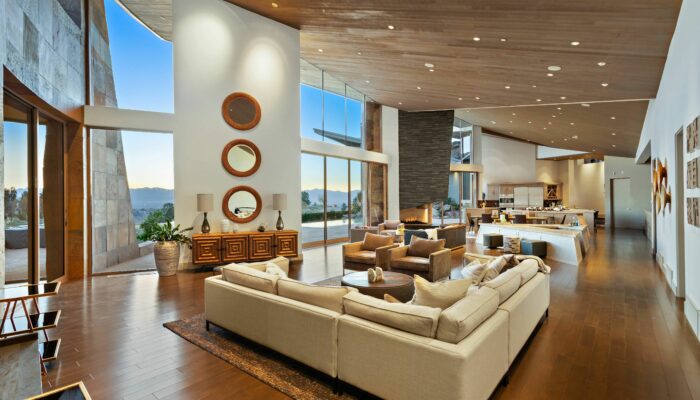
The architecture of our dreams often mirrors the architecture of our subconscious. When an individual dreams of being inside a nice house, the imagery typically evokes feelings of comfort, security, and stability. However, beneath the surface of these pleasant aesthetics lies a complex web of symbolic meanings that can reflect the dreamer’s internal state, spiritual journey, and life ambitions.
Psychological Interpretations: The House as the Self
In psychological discourse, a house is rarely just a physical structure; it is a profound metaphor for the human psyche. The state of the house often represents the state of the dreamer’s mind and emotional well-being.
Self-Acceptance and Achievement
A well-maintained, beautiful home often symbolizes self-acceptance and the fruition of personal goals. Entering a space that feels luxurious or harmonious suggests that the dreamer is experiencing a period of inner peace or has reached a milestone of personal achievement. It reflects a sense of wholeness and the realization of latent desires.
The Paradox of Discomfort
Interestingly, the emotional tone of the dream can shift the meaning entirely. If a dreamer feels unease or anxiety despite being in a splendid abode, it may indicate a cognitive dissonance. This suggests that external success or societal accolades (the “nice house”) may not be translating into genuine internal satisfaction or emotional security.
Spiritual and Theological Perspectives
Different faith traditions provide unique lenses through which to interpret the symbolism of a divine or beautiful dwelling.
- Christian Perspectives: The house can represent the soul or the individual’s relationship with the Divine. Drawing from concepts like those in John 14:2, a beautiful house may symbolize a spiritual sanctuary or the promise of a divine abode, indicating a harmonious spiritual life.
- Islamic Perspectives: In Islamic tradition, a home is a center of peace, virtue, and community. Dreaming of a beautiful home can signify a yearning for familial unity and stability. It may also serve as a metaphorical representation of Jannah (Paradise), reflecting the soul’s aspiration for eternal peace.
Symbolic Breakdowns of the Home
To fully understand the dream, one must look at the specific attributes of the house. Different areas of the home often correlate to different sectors of the dreamer’s life.
| House Feature | Potential Symbolic Meaning |
|---|---|
| Spacious, Bright Rooms | Clarity, openness, and new opportunities. |
| Traditional/Old Architecture | Nostalgia, ancestral values, or familial bonds. |
| Immaculate Gardens | Growth, abundance, and mental flourishing. |
| Dark or Hidden Rooms | Neglected aspirations or suppressed emotions. |
Cultural and Emotional Contexts
Beyond the individual, cultural norms heavily influence dream imagery. In many societies, a grand home is a direct symbol of prosperity and social standing. A dream of such a space may reveal an unconscious drive to elevate one’s status or a reflection of current ambitions.
The Concept of Topophilia
Psychologically, the bond between a person and a place is known as topophilia. A nice house in a dream is often a manifestation of the intrinsic human need for a space that nourishes and sustains. These dreams may trigger nostalgia for cherished memories or a hopeful projection of a future where the dreamer feels safe and cherished.
Conclusion: The Inner Sanctum
Ultimately, dreaming of being inside a nice house serves as a mirror for the soul. Whether the dream is a beacon of hope, a reflection of success, or a prompt for introspection, it emphasizes the importance of our “inner sanctum.” By analyzing these dreams, we are encouraged to cultivate a mental and spiritual environment that is as beautiful and secure as the houses we envision in our sleep.
FAQ
What does it mean if I feel scared in a beautiful house in my dream?
This often indicates a conflict between your external success and your internal emotional state, suggesting that outward appearances may be masking inner turmoil.
Does a nice house always mean wealth?
Not necessarily. While it can represent material ambition, it more often symbolizes emotional stability, self-worth, and spiritual maturity.
Why do I dream of houses I've never visited?
These 'imaginary' houses are typically constructs of the subconscious, representing a desired state of being or an unexplored aspect of your personality.


Leave a Reply