
Short Answer
Introduction
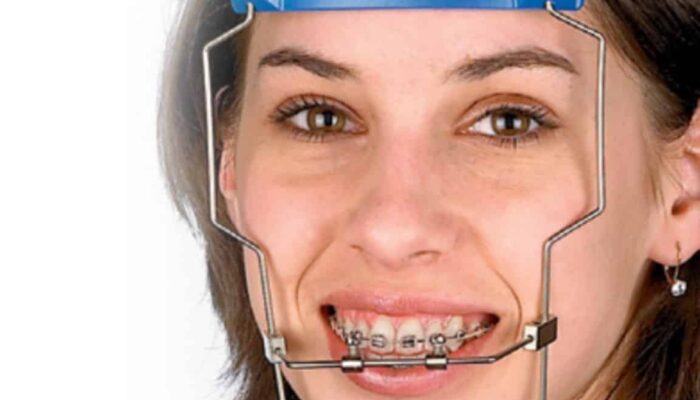
Throughout history, headgear has functioned not only as a practical accessory but also as a powerful emblem of authority, belonging, and personal aspiration. When such items appear in dreams, they often carry layered meanings that reflect the dreamer’s inner world, cultural background, and spiritual concerns.
General Symbolism of Headgear
In the dream language, headgear generally represents the crown of the self—the part of a person that identifies who they are and what they strive to become. Whether it is a regal crown, a simple cap, or an elaborate headdress, the type of head covering can indicate:
- Social status or perceived rank
- Authority and leadership aspirations
- The burden of responsibility or expectations
- Desire for protection, both mental and spiritual
A logical syllogism often used in dream analysis illustrates this connection:
Major premise: Headgear symbolizes authority, status, or identity.
Minor premise: Dreams reflect inner desires, fears, and conflicts.
Conclusion: Dreaming of headgear reveals insights about the dreamer’s social positioning or aspirational identity.
Religious and Cultural Interpretations
Christianity
In Christian symbolism, crowns and specific headpieces convey divine authority. The papal tiara, for example, represents the Pope’s spiritual leadership. Dreaming of such regalia may suggest a calling toward spiritual responsibility, personal enlightenment, or a need to integrate moral authority into one’s waking life. Biblical passages also liken the “helmet of salvation” to a protective covering for the mind (Ephesians 6:17).
Islam
Within Islamic tradition, the hijab is more than a garment; it embodies modesty, piety, and identity. A dream featuring a hijab can reflect a yearning for spiritual adherence, an internal negotiation of modesty, or a tension between personal values and societal expectations. Islamic teachings encourage believers to view dreams as mirrors of current life circumstances, making headgear a useful symbol for evaluating personal integrity.
Indigenous and Other Cultures
Many Indigenous peoples regard elaborate headdresses—often worn by chiefs or spiritual leaders—as symbols of wisdom, governance, and ancestral connection. Dreaming of such headgear may signal a reconnection with heritage, an emerging sense of stewardship, or a call to honor communal responsibilities.
Psychological Perspectives
Freudian View
Sigmund Freud considered dreams a gateway to the unconscious. From a Freudian standpoint, headgear can represent power dynamics, control, or feelings of inadequacy. A large, ornate hat in a dream might indicate the dreamer’s subconscious struggle with authority—either a desire to dominate or a fear of being overwhelmed by expectations.
Jungian View
Carl Jung emphasized archetypes and collective symbols. Headgear can embody the “Ruler” or “Wise Elder” archetype, urging the dreamer toward self‑empowerment and self‑awareness. The specific style—such as a knight’s helmet, a scholar’s cap, or a warrior’s headdress—adds nuance, pointing to particular facets of the dreamer’s psyche, like courage, intellect, or protective instincts.
Social and Professional Connotations
Modern societies often associate certain headgear with specific roles:
- Soldier’s helmet: duty, sacrifice, and collective responsibility.
- Party hat: celebration, joy, and social connection.
- Beret or cap: anonymity, casualness, or a desire to blend in.
When interpreting a dream, the emotional response to the headgear—whether pride, discomfort, or indifference—provides essential clues about underlying desires or pressures.
Guidelines for Interpreting Headgear in Your Dream
- Identify the type of headgear and note its material, color, and condition.
- Recall the feelings it evoked during the dream (e.g., empowerment, anxiety, pride).
- Consider personal and cultural associations you have with that headgear.
- Reflect on current life situations involving status, responsibility, or spiritual growth.
- Integrate insights from psychological theory (Freud, Jung) to explore deeper unconscious motives.
Conclusion
Headgear in dreams acts as a multifaceted symbol that bridges personal identity, cultural heritage, and spiritual longing. By examining the specific characteristics of the head covering and the emotions it elicits, dreamers can uncover hidden truths about their aspirations, social roles, and inner conflicts. The next time a hat, crown, or headdress appears in your night‑time narrative, pause to contemplate its broader significance—you may be standing at the threshold of a profound self‑realization.
FAQ
What does it mean to dream of wearing a crown?
A crown often reflects aspirations for recognition, leadership, or a desire to assert personal authority.
Why might a dream feature a hijab?
In Islamic cultural contexts, a hijab in a dream can symbolize modesty, spiritual devotion, or internal conflict between personal values and societal expectations.
Can the material of the headgear affect its interpretation?
Yes. Precious materials (gold, jewels) typically emphasize status and power, while simple fabrics may point to humility or a wish for anonymity.


Leave a Reply