
Short Answer
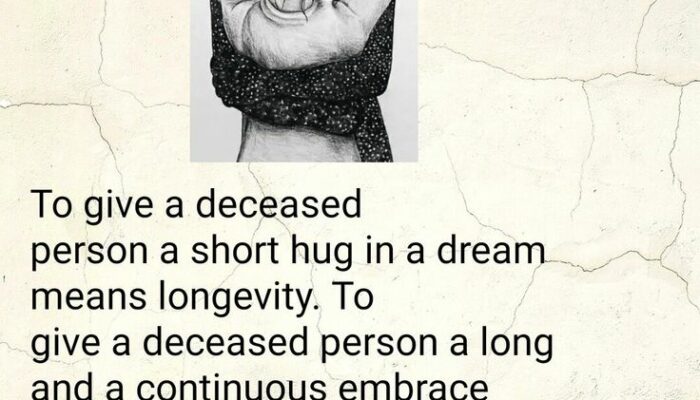
Waking from a dream where a deceased loved one envelops you in a warm embrace is a profound experience that often leaves the dreamer with a lingering sense of emotion and curiosity. Such dreams are common across various cultures and eras, serving as a bridge between the conscious mind and the depths of the subconscious. To understand what it signifies when a dead person hugs you in your dreams, one must examine the phenomenon through symbolic, spiritual, and psychological lenses.
Symbolism and the Subconscious
In the realm of dream analysis, symbols rarely function literally. Instead, they act as metaphors for the dreamer’s internal state. To analyze these experiences, we can apply a form of deductive reasoning: if dreams are manifestations of our subconscious thoughts and feelings, and an embrace evokes a powerful emotional response, then such a dream likely heralds crucial insights into the dreamer’s current psychic state.
Common Symbolic Interpretations
- Craving for Closure: A hug may symbolize a subconscious desire for a final goodbye or the resolution of unfinished business.
- Emotional Reunion: The act of holding can reflect a yearning for the comfort, safety, and unconditional love that the deceased person provided in life.
- Integration: Symbolically, embracing the dead may represent the dreamer’s attempt to integrate the positive qualities of the deceased into their own personality.
Spiritual and Cultural Perspectives
Different belief systems offer diverse interpretations of visitation dreams, viewing them as more than mere neurological firings.
Religious Frameworks
| Perspective | Interpretation of the Embrace |
|---|---|
| Christian Theology | Often viewed as a message of love, comfort, or divine guidance, reminding the dreamer of eternal life and spiritual peace. |
| Islamic Teachings | May signify that the departed has reached a state of peace or is communicating a need for remembrance and prayers (Sadaqah). |
Global Cultural Views
In many Indigenous traditions, deceased ancestors are seen as active guides or messengers. An embrace in this context is often interpreted as a sign of acceptance, an encouragement to heal from grief, or a protective blessing. Conversely, in modern Western secular perspectives, these dreams are frequently viewed as the mind’s way of processing the trauma of loss and reconciling the emotional void left behind.
Psychological Analysis and Healing
From a psychological standpoint, dreaming of hugging a deceased individual is deeply tied to the process of bereavement and the architecture of the human mind.
The Jungian Approach
Carl Jung, the Swiss psychiatrist, posited that dreams allow individuals to explore the unconscious and confront their deepest desires and fears. In Jungian psychology, a dead person in a dream may represent an archetype or a part of the dreamer’s own psyche that needs healing. The embrace, therefore, symbolizes a transformative experience where the dreamer reconciles their grief and maintains a connection with the essence of the loved one.
The Therapeutic Process of Grief
From a clinical perspective, these dreams often occur during different stages of grief. An embrace can serve as a comforting mechanism, providing the dreamer with a sense of solace and psychological safety during periods of intense mourning. This process allows the brain to channel complex emotions and gradually move toward acceptance.
“Dreams are the royal road to the unconscious,” as Sigmund Freud suggested. In the case of an embrace from the deceased, this road often leads to a place of healing and emotional restoration.
Conclusion
Dreams of a dead person hugging you are multifaceted experiences that bridge the gap between the past and the present. Whether interpreted as a spiritual visitation, a psychological coping mechanism, or a symbolic quest for closure, the essence of the dream remains deeply personal. These experiences testify to the enduring nature of love and the profound emotional tethers that persist even after death, inviting us to honor our memories while continuing to move forward in our waking lives.
FAQ
Is it a bad sign to dream of a dead person hugging me?
Generally, no. In most cultures and psychological frameworks, such a dream is seen as a positive sign of healing, comfort, or a lingering emotional bond.
Why do I feel the hug so realistically in my dream?
These are often called 'visitation dreams,' which are characterized by high vividness and strong emotional intensity, making them feel distinct from ordinary dreams.
Does this mean the person is trying to tell me something?
Depending on your beliefs, it could be a spiritual message or your own subconscious mind trying to communicate a need for peace and closure.




Leave a Reply