
Short Answer
Introduction
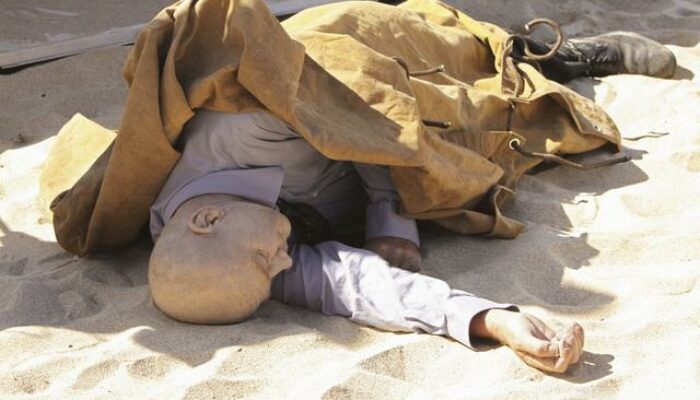
Encountering a dead body in a dream is a vivid experience that often leaves the dreamer with a lingering sense of unease. While the image can be unsettling, it is also a powerful symbol that invites reflection on endings, transitions, and aspects of the self that may require attention.
Symbolic Interpretation
From a symbolic standpoint, a dead body frequently represents the conclusion of a particular phase in life—such as the end of a relationship, the closure of a career chapter, or the cessation of a personal habit. This termination is not merely negative; it can also signal the opening of new possibilities, akin to the natural cycle of death and rebirth.
- Endings and closures: The dream may be urging you to acknowledge what has finished.
- Transformation: By letting go of the old, space is created for growth and renewal.
- Repressed aspects: The body can embody suppressed emotions or parts of the self that need integration.
Spiritual and Religious Perspectives
Interpretations vary widely across faith traditions.
Christianity
In many Christian contexts, a dead body may be viewed as a reminder of divine judgment, a call to repentance, or the death of earthly desires in preparation for spiritual awakening. It can encourage the dreamer to examine moral conduct and seek forgiveness.
Islam
Islamic dream literature often links the image of a dead body with heightened spiritual awareness. It may serve as a reminder of life’s transience, urging reflection on deeds, intentions, and the preparation for the afterlife.
Indigenous and Ancestral Traditions
Among several Indigenous cultures, dreaming of a dead body can symbolize the need to honor ancestors, reconnect with lineage, and recognize the continuity between the living and the spirit world. The dream acts as a bridge for cultural identity and familial legacy.
Cultural Variations
Beyond specific religions, various societies attribute distinct meanings to dead bodies in dreams. Some cultures see the image as a protective spirit offering guidance, while others interpret it as a warning of unresolved conflicts within the community or family.
Psychological Perspectives
Psychologists analyze the dead body as an expression of the unconscious.
Freudian View
Sigmund Freud suggested that death imagery in dreams can reflect deep‑seated anxieties, repressed desires, or the culmination of unresolved psychical tension.
Jungian Analysis
Carl Jung identified the dead body as an archetype of the shadow self—the hidden facets of personality that are often denied. Confronting this shadow in a dream can facilitate individuation, leading to greater self‑awareness.
Modern dream research also links such imagery to emotional processing after trauma or major life changes, indicating that the mind uses vivid symbols to work through complex feelings.
Emotional Response and Personal Insight
The emotional reaction—whether fear, indifference, or curiosity—provides clues about the dreamer’s relationship with mortality and change. Noticing the tone of the dream can help identify whether the unconscious is urging acceptance, warning, or encouragement toward personal growth.
Conclusion
Dreams featuring a dead body weave together themes of endings, transformation, spiritual reflection, and psychological integration. By examining the symbol through cultural, religious, and psychoanalytic lenses, the dreamer can uncover hidden messages about unresolved issues, personal evolution, and the inevitable cycles that shape human experience.
When such a dream appears, consider it an invitation to explore the interplay between loss and renewal, and to engage with the deeper currents of your inner life.
FAQ
What does it mean if I feel calm while dreaming of a dead body?
A calm reaction may indicate acceptance of an ending or a subconscious recognition that the transition is a natural part of personal growth.
Can recurring dead‑body dreams suggest unresolved trauma?
Yes, repeated appearances often point to lingering emotional wounds or conflicts that have not been fully processed.
Do religious interpretations of this dream differ significantly?
They can. For example, Christianity may view it as a call to repentance, while Islam may see it as a reminder of life's fleeting nature.
How can I use this dream for personal development?
Reflect on current life changes, journal your emotions, and consider what aspects of yourself you might need to 'let go' in order to foster new growth.

Leave a Reply