
Short Answer
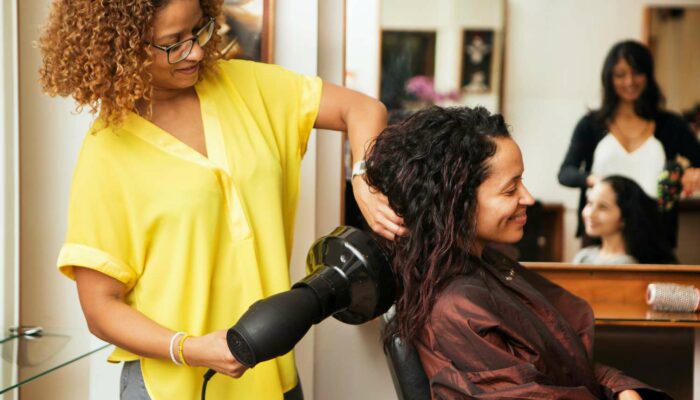
Dreams often serve as windows into our subconscious, offering glimpses of our thoughts, feelings, and desires. One particularly fascinating subject within the realm of dream analysis is the symbolism associated with grooming and aesthetic alteration, specifically the act of going to the hairdressers. While it may appear to be a simple mundane task in waking life, in the dream state, this pivotal moment can unfold a plethora of interpretations regarding transformation, identity, and control.
The Core Symbolism: Transformation and Identity
At the heart of this dream is the concept of metamorphosis. In many psychological frameworks, hair is viewed as a primary symbol of identity and self-expression. Because hair is a visible extension of the self, the act of altering it signifies a deep-seated desire for change or renewal.
This transformation may reflect several internal shifts:
- Life Transitions: Moving from one stage of life to another (e.g., a new career or relationship).
- Shedding the Past: A subconscious need to discard old beliefs, habits, or versions of oneself.
- Identity Reshaping: A conscious or subconscious yearning to redefine how one is perceived by the world.
Cultural and Spiritual Perspectives
The symbolic meaning of visiting a hairdresser extends across various cultural and spiritual contexts, where hair is often heralded as a representation of strength, vitality, and individuality.
Spiritual Interpretations
From a spiritual lens, the act of grooming can be seen as a ritual of purification. In Christianity, hair can be linked to themes of glory and humility. A dream of a haircut may represent a divine call for introspection or the need to cleanse oneself of negative energies to facilitate spiritual growth.
In Islamic culture, hair is often viewed as a blessed aspect of creation. Dreaming of a hairdresser may symbolize a quest for inner peace and purity, suggesting a desire to harmonize one’s outward appearance with inner moral virtues and faith.
Ancestral and Cultural Ties
In many Indigenous spiritual practices, hair maintains a profound connection to ancestral lineage. In this context, dreaming of a hairdresser may signify:
- A respect for one’s heritage.
- A yearning to reconnect with ancestral roots.
- The process of balancing the past with the present to shape a future identity.
Psychological Analysis: Control and Perception
Beyond spirituality, the psychological meaning of these dreams often centers on self-image and the dynamics of power. The hairdresser, as a figure of authority with the tools to change your appearance, introduces an interesting interplay of trust and dependence.
| Psychological Element | Dream Interpretation |
|---|---|
| The Hairdresser | A figure of authority or a catalyst for change. |
| The Act of Cutting | Relinquishing control or removing a burden. |
| The New Style | A desire for social validation or a new persona. |
Furthermore, such dreams may surface during periods of crisis or self-doubt. When an individual grapples with changing life circumstances, the dream serves as a reminder to take agency and articulate their identity. It highlights the tension between vulnerability (letting someone else change you) and the desire for a refreshed start.
Conclusion
In essence, dreaming of going to the hairdressers is a multifaceted experience encompassing layers of symbolism, spirituality, and psychology. Whether it is a sign of personal growth, a need for spiritual cleansing, or a reflection of social anxiety, these dreams compel us to reflect upon who we are and how we wish to present ourselves to the world. By embracing these insights, we can better navigate the intricate tapestry of our own lives.
FAQ
What does it mean to dream about cutting your hair at a hairdresser?
It typically symbolizes a desire for change, renewal, or the shedding of old beliefs and habits to reshape one’s identity.
Is dreaming of a hairdresser a sign of losing control?
Psychologically, it can represent a surrender of autonomy or a need to seek assistance from an authority figure during a period of transition.
What is the spiritual significance of hair in dreams?
Depending on the culture, hair can represent personal power, vitality, ancestral lineage, or a divine call for introspection.



Leave a Reply