
Short Answer
Introduction to Funeral Dreams
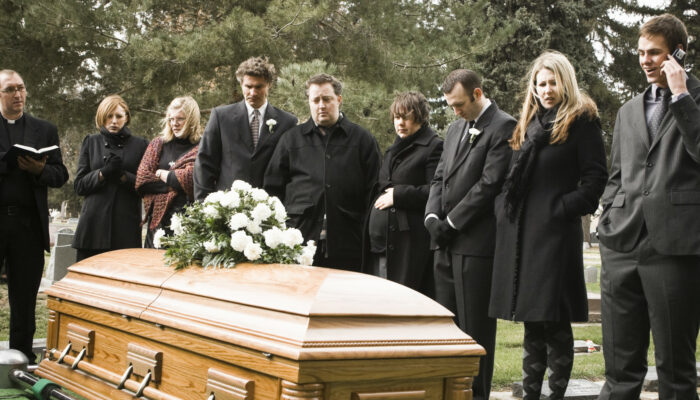
Funerals are universal experiences that transcend cultural boundaries and religious doctrines. In the waking world, they evoke powerful emotions and provoke deep contemplation regarding mortality, memory, and the inherent impermanence of human existence. When these themes migrate into the dream state, they often carry multifaceted meanings that go beyond a literal preoccupation with death.
In the realm of dream interpretation, a funeral is rarely a premonition of physical passing. Instead, it typically serves as a poignant symbol of closure, transformation, or a formal farewell to past aspects of one’s life. These nocturnal visions often signify the end of a specific chapter, a profound transition period, or the subconscious need to release emotional baggage to facilitate personal growth.
Logical and Symbolic Frameworks
The Syllogism of Endings
From a logical or syllogistic standpoint, a dream about a funeral can be analyzed as a structured progression of change. Consider the following logical premises:
- Premise A: All endings signify the potential for new beginnings.
- Premise B: A funeral is the ultimate symbol of an ending.
- Conclusion: Therefore, a funeral in a dream represents the potential for a new beginning.
This framework encourages the dreamer to reflect on their current circumstances. If one is clinging to outdated habits, toxic relationships, or obsolete beliefs, the dream may act as a clarion call to embrace change and explore new horizons.
Symbolic Resonances
The imagery within a funeral dream often elicits a wide spectrum of emotional responses, from grief and nostalgia to an unexpected sense of relief. The specific details of the dream provide deeper clues:
| Dream Element | Potential Symbolic Meaning |
|---|---|
| Grandiose Funeral | Feelings of inadequacy, societal pressure, or a desire for recognition. |
| Modest Funeral | Personal contentment, acceptance of life’s journey, and inner peace. |
| The Attendees | Representations of social networks, relationships requiring attention, or a need for community support. |
| The Deceased | Archetypes reflecting the dreamer’s own unresolved issues or lost traits. |
Spiritual and Cultural Perspectives
Interpretations of funeral dreams vary significantly across different religious and cultural paradigms, reflecting the values of the dreamer’s heritage.
Christian Interpretations
In Christianity, funerals are steeped in theological hope, embodying the promise of resurrection and eternal life. Dreams featuring Christian funeral imagery—such as light, angels, or serene landscapes—often suggest a divine presence guiding the dreamer through a period of grief. Conversely, a chaotic or unsettling funeral may indicate unresolved spiritual conflicts or a struggle to accept the inevitability of death.
Islamic Interpretations
In Islam, funeral dreams are often viewed as a reminder of the impermanence of the material world (Dunya) and the significance of spiritual responsibility. Such dreams may signal a need for repentance, an expression of gratitude for life’s blessings, or a reflection on the soul’s journey toward the Creator, urging the dreamer to maintain spiritual integrity.
Secular and Diverse Cultural Views
Many secular or diverse cultural practices view the funeral not as a tragedy, but as a celebration of life. In these contexts, dreaming of a funeral may be an invitation to honor past experiences and relationships while remaining focused on the present. These dreams emphasize the lifecycle as a continuous tapestry of experiences rather than a linear path toward an end.
Psychological Analysis
Modern psychology offers two primary lenses through which to view these dreams:
Sigmund Freud posited that dreams are manifestations of repressed desires and emotions. From a Freudian perspective, a funeral might reflect a deep-seated fear of abandonment or a subconscious resistance to a necessary change.
Carl Jung viewed such imagery through the lens of individuation. To Jung, a funeral represents the death of an old ego or a facet of the personality that no longer serves the individual, allowing a more complete and integrated self to emerge.
Conclusion
Ultimately, the meaning of a funeral in a dream is a deeply individualized experience. Whether viewed through a logical, symbolic, spiritual, or psychological lens, these dreams serve as signposts guiding the dreamer toward enlightenment. They remind us that closure is the prerequisite for clarity, and that within every ending lies the promise of renewal.
FAQ
Does dreaming of a funeral mean someone will die?
No. In dream analysis, funerals typically symbolize the end of a phase, a relationship, or a habit rather than a literal prediction of death.
Why do I feel relief in a funeral dream?
Relief often signifies that you have successfully let go of a burden or a toxic situation in your waking life.
What if I am the one in the casket?
This often symbolizes a profound personal transformation or the 'death' of an old version of yourself to make room for growth.




Leave a Reply