
Short Answer
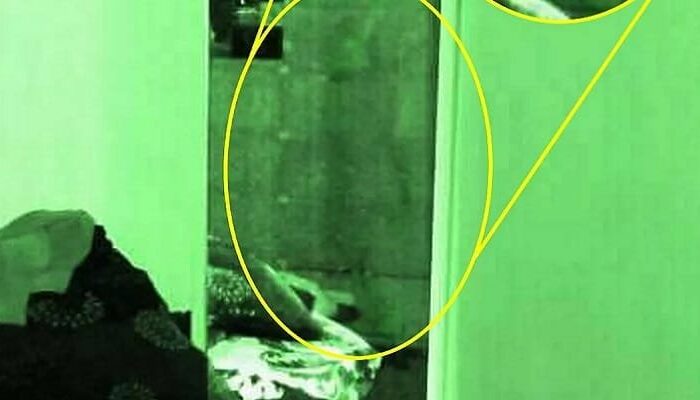
The image of a child ghost haunting an individual is a potent and often unsettling motif that has permeated both our collective subconscious and popular culture. From the poignant revelations in The Sixth Sense to the atmospheric tension of A Haunting in Connecticut, cinematic narratives often use the juxtaposition of childhood innocence and spectral dread to evoke deep emotional responses. However, when this imagery manifests in a dream, it typically serves as a complex symbol rather than a literal omen.
The Symbolic Nature of the Child Ghost
To interpret a dream of a child ghost, one must examine the two core components of the symbol: the child and the ghost. In the language of dreams, a child often symbolizes purity, vulnerability, and the beginning of life’s journey. Conversely, a ghost represents the past, something that lingers, or an unresolved issue that refuses to be forgotten.
When these two merge, the resulting “child ghost” may signify:
- Lost Innocence: A longing for a time before the complexities and traumas of adulthood took hold.
- Unresolved Childhood Issues: The presence of a “haunting” suggests that a memory or emotion from youth is demanding attention.
- Neglected Aspects of Self: A part of the dreamer’s own personality—perhaps their creativity or spontaneity—that has been “killed off” or suppressed over time.
Spiritual Interpretations Across Cultures
Different faith traditions and spiritual frameworks offer varying perspectives on the presence of a child spirit in the dream state.
Christian Perspectives
Within some Christian interpretations, ghosts are often linked to unfinished earthly business or unresolved spiritual conflicts. A child ghost may be viewed as a benign spirit seeking intercession or a divine reminder to the dreamer to practice compassion and forgiveness. Because children are viewed as sacred, such a dream may urge the individual to return to a state of spiritual simplicity and humility.
Islamic Perspectives
In Islamic tradition, the unseen world is viewed through a lens of divine signs and guardianship. A child ghost is rarely seen as malevolent; instead, it may be interpreted as a pure soul or a guardian entity. Such a dream could be a call to spiritual awakening, encouraging the dreamer to seek mercy from the Almighty and resolve personal conflicts that obstruct their path toward righteousness.
New Age and Pagan Beliefs
Eclectic spiritualities often view these manifestations as signs of psychic awakening. A child ghost might be interpreted as a spirit guide or a remnant of a past life attempting to communicate essential wisdom. In this context, the haunting is not a threat but an invitation to explore the ethereal plane and unlock latent intuitive abilities.
Psychological Analysis
Modern psychology moves away from the supernatural and looks toward the internal landscape of the mind to explain these visions.
Freudian and Jungian Perspectives
Sigmund Freud posited that dreams are the “royal road to the unconscious,” often reflecting repressed desires or traumas. A child ghost, in a Freudian sense, might represent a repressed memory of abandonment or a childhood conflict that was never fully processed.
Carl Jung, however, viewed the child as an archetype of potentiality and rebirth. From a Jungian perspective, a child ghost may represent a “stunted” potential—a talent or a dream that was abandoned in youth and is now “haunting” the adult dreamer, urging them to reclaim their agency and creativity.
The Role of Stress and Anxiety
The appearance of a child ghost can also be a byproduct of current life stressors. When an adult feels overwhelmed by new responsibilities or fears of inadequacy, the mind may conjure a child ghost as a manifestation of the lost security and protection associated with childhood. The “haunting” is actually a psychological echo of the dreamer’s own vulnerability.
Summary and Reflection
Ultimately, dreaming of a child ghost haunting you is less about the specter and more about the dreamer’s relationship with their own past. Whether the interpretation is spiritual or psychological, the core message is usually one of healing and integration. By confronting the ghost—acknowledging the pain, the loss, or the forgotten joy—the dreamer can transform a frightening experience into a catalyst for profound personal growth.
FAQ
Is dreaming of a child ghost a bad omen?
Not necessarily. While it can be frightening, it is usually a symbolic call for introspection and healing rather than a prediction of misfortune.
Why does the ghost feel like it is 'haunting' me specifically?
The feeling of being haunted often reflects an internal feeling that a past issue is 'following' you and needs to be addressed in your waking life.
How can I stop these dreams?
Psychologists suggest journaling about your childhood and identifying any unresolved emotions, which can help the subconscious 'release' the symbol.





Leave a Reply