
Short Answer
Introduction
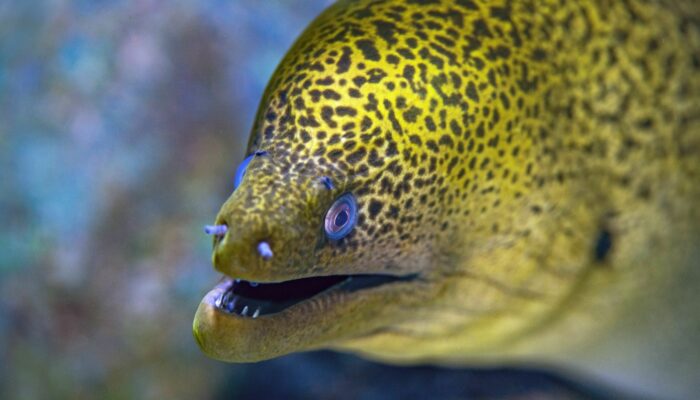
Dreams often weave a complex tapestry of symbolism and meaning, inviting the sleeper to explore hidden aspects of the psyche. Among the myriad animal figures, the eel stands out for its sinuous form, elusive behavior, and deep association with water. This article examines the eel’s symbolic, spiritual, and psychological significance in dreams, drawing on folklore, religious traditions, and contemporary dream‑analysis theory.
Symbolic Interpretations
Adaptability and Transformation
The eel’s ability to glide effortlessly through water and navigate narrow crevices makes it a powerful emblem of flexibility. In a dream, an eel may signal that the dreamer is on the cusp of change or needs to adopt a more fluid approach to a current problem. Embracing the eel’s adaptability can be interpreted as a reminder to adjust one’s expectations and strategies in response to shifting circumstances.
Hidden Truths and Subconscious Currents
Eels dwell in murky, bottom‑layer waters, a metaphor for the unconscious mind. When an eel appears, it often points to emotions, memories, or desires that lie beneath the surface of conscious awareness. The dream may be urging the sleeper to investigate these “deep waters” and bring concealed material into daylight.
Spiritual and Cultural Meanings
| Culture / Religion | Interpretation of the Eel in Dreams |
|---|---|
| Christianity | Associated with sin, temptation, and the serpentine imagery of the Garden of Eden; may indicate moral conflict. |
| Islam | Seen as a symbol of sustenance and gratitude; dreaming of an eel can suggest appreciation for blessings. |
| Japanese folklore | Linked to water deities and ancient wisdom; the eel can represent guidance from ancestral spirits. |
| Indigenous Australian stories | Often portray the eel as a creator being, embodying the flow of life and communal knowledge. |
These varied interpretations demonstrate that the eel’s spiritual resonance is highly context‑dependent, reflecting each tradition’s relationship with water, transformation, and moral dualities.
Psychological Perspectives
Jungian Archetype
According to Carl Jung, animals in dreams act as archetypal messengers from the collective unconscious. The eel’s slippery nature can embody the “Shadow” aspect—those parts of the self that are hidden, instinctual, or socially unacceptable. Encountering an eel may therefore invite the dreamer to acknowledge and integrate repressed material.
“The unconscious is not a void but a living organism that speaks in symbols.” – Carl Jung
Camouflage, Concealment, and Authenticity
The eel’s capacity for camouflage mirrors the human tendency to mask true feelings. Dreams featuring a concealed eel may highlight a fear of vulnerability or a reluctance to reveal one’s authentic self in waking life.
Relationship Dynamics
Because eels move in a winding, unpredictable manner, they can symbolize complex or tangled interpersonal connections. An eel in a relational context might suggest that a friendship or romantic partnership requires greater flexibility, open communication, or a reevaluation of boundaries.
Common Dream Scenarios Involving Eels
- Seeing a live eel in clear water – Indicates awareness of hidden emotions that are ready to surface.
- Being bitten or attacked by an eel – May reflect feelings of being trapped by a situation or confronting a suppressed fear.
- Eating an eel – Often interpreted as assimilating knowledge or gaining nourishment from a previously unknown source.
- Finding a dead eel – Can signify the end of a particular emotional pattern or the release of a lingering anxiety.
Conclusion
The eel’s presence in a dream functions as a multifaceted symbol that bridges personal adaptability, concealed emotional currents, and cultural narratives about morality and wisdom. By paying attention to the eel’s behavior, the surrounding environment, and the dreamer’s emotional response, one can extract nuanced guidance for personal growth, spiritual reflection, and relational harmony.
FAQ
What does it mean to dream of a live eel swimming peacefully?
A peaceful eel often signals that hidden emotions are becoming visible and that the dreamer is ready to navigate them with flexibility.
Why do some cultures associate eels with sin or temptation?
In traditions such as Christianity, the eel’s sinuous shape resembles the biblical serpent, making it a symbol of temptation and moral conflict.
Can an eel bite in a dream indicate a real-life danger?
Dreams of being bitten usually reflect internal anxieties or a feeling of being trapped rather than a literal external threat.
How can I use an eel dream for personal growth?
Reflect on the emotions evoked by the eel, consider areas where you need greater adaptability, and explore any concealed feelings that may be influencing your waking life.



Leave a Reply