
Short Answer
Introduction to Dream Interpretation
Dreams have captivated human imagination for centuries, serving as a mysterious window into our subconscious minds. These nocturnal journeys—often filled with bizarre imagery and symbolic narratives—are far more than random brain activity; they represent complex emotional, psychological, and even spiritual landscapes. The field of dream interpretation draws upon diverse disciplines including psychology (from Freud to Jung), cultural studies, neuroscience, and spirituality to unravel the hidden messages within our dreams.
Whether we’re celebrating milestones in a dream or navigating personal anxieties through symbolic scenarios like birthday parties, these experiences often reflect significant aspects of our waking lives. They can illuminate repressed desires, reveal underlying emotional states, highlight areas for self-reflection, or point towards unresolved personal conflicts. Understanding the potential meanings behind common symbols and themes offers valuable insights into our mental well-being and inner world.
Common Dream Themes
- Falling: Often associated with feelings of insecurity, loss of control, or anxiety in one’s waking life.
- Being chased: Can indicate avoidance of problems, fear of failure, or dealing with a persistent threat.
- Flying: Symbolizes freedom, aspiration, or the ability to overcome obstacles. Difficulty flying might suggest feeling constrained.
- Water: Represents emotions and subconscious thoughts—calm water often signifies peace, turbulent water suggests emotional turmoil.
Symbols and Their Meanings
| Symbol | Potential Meaning |
|---|---|
| Water | Emotions, subconscious thoughts (calm water = peace; turbulent water = turmoil) |
| Teeth falling out | Insecurity, anxiety about appearance or communication abilities |
| Candles on a cake | Self-reflection, celebrating achievements or milestones (blowing candles may signify releasing desires/wishes) |
| Flying | Freedom, aspiration, overcoming limitations; difficulty flying = feeling restricted |
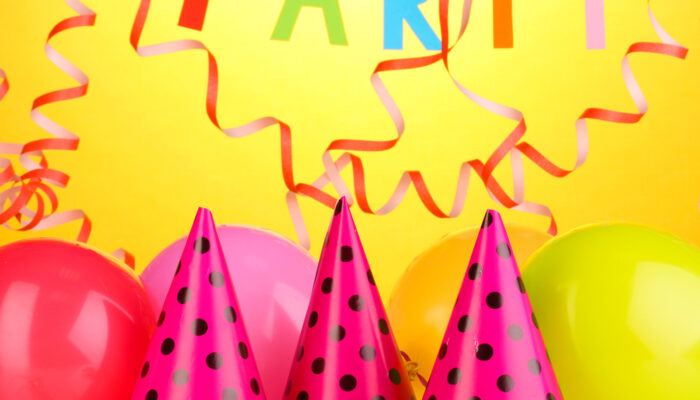
The symbolism of a birthday party itself can be analyzed within this framework. Attending or hosting one often involves themes of celebration, aging, self-worth and social connection—similar to interpreting the ‘flying’ symbol which relates to freedom but also carries weight about overcoming limitations in waking life.
Spiritual Significance
The interpretation of dreams must acquaint itself with the deeper structure of human nature. — Carl G. Jung
In many traditions, dreams are considered divine communications or reflections of one’s spiritual journey. The dream of attending a birthday party can be interpreted through this lens.
Christian Perspectives
Birthdays mark the anniversary of physical birth and in Christian symbolism, creation is central to existence—a frequent theme in religious narratives involving divine acts and new life. A dream focused on such a celebration might evoke feelings associated with spiritual renewal or milestones—perhaps indicating personal transformation phases or reflecting upon one’s unique purpose.
Islamic Viewpoints
In Islamic contexts, dreams can be viewed as means of communication from the divine (dhikr). The specific imagery and symbols within a dream, like that of a birthday party involving community and celebration, are often interpreted through universal principles emphasizing gratitude for life’s blessings and reflection on one’s moral obligations towards family, friends, and society. While traditional Islamic practices may not include birthday celebrations, dreaming of such an event could symbolize the deeper significance of appreciating every moment and reinforcing spiritual bonds.
Psychological Implications
- The psychological interpretation often focuses on how these symbols relate to waking-life experiences.
Jungian Psychology: Carl Jung emphasized archetypes—universal symbols that appear in dreams across cultures. The ‘archetype of the celebration’ or ‘the party-goer’ might represent shared human themes of community, festivity and personal milestones.
The act of blowing out candles on a birthday cake is potent psychological symbolism representing wish-making (similar to flying) but also deeper reflection. Each candle could symbolize hopes fulfilled or lessons learned—a process mirroring goal setting in waking life where visualization often precedes manifestation.
Conclusion
Dream interpretation remains both an art and a science, drawing from rich historical traditions like Freudian analysis to contemporary understanding of REM sleep (Rapid Eye Movement sleep) during which most dreaming occurs. The meaning derived is highly personal—though universal themes exist, each individual’s life experiences shape their specific dream symbolism.
Beyond simply providing insight into symbols like candles or flying, the practice encourages critical self-reflection and understanding of our emotional landscape. Analyzing recurring motifs such as being chased or dreaming of a birthday party can reveal much about identity formation, social anxieties, aspirations regarding aging gracefully, and how we process significant life transitions.
Thus, exploring dream meanings offers not just entertainment but genuine guidance towards improved self-awareness and psychological well-being—a journey through the corridors of our inner lives that continues long after dawn breaks.
FAQ
What does it mean to dream of falling?
It often represents feelings of insecurity or loss of control.
Why do we forget our dreams?
Dreams can fade quickly upon waking due to the brain's processing during REM sleep.
Can dreaming of a birthday party predict the future?
No, most scientists view dream meanings as reflections of one's subconscious rather than prophetic.
How are wishes related to blowing candles in dreams?
Blowing out candles on a birthday cake symbolizes wish-making or releasing desires into the universe.




Leave a Reply