
Short Answer
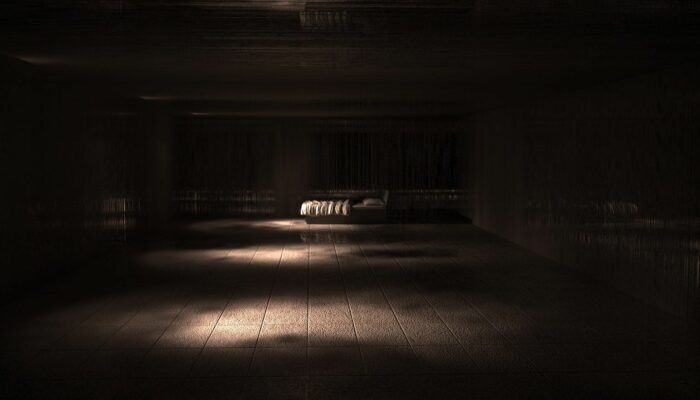
Dreaming of being enveloped in the unsettling silence of a dark room often evokes a complex array of emotions, ranging from profound anxiety to a strange sense of peace. While darkness is frequently perceived as intimidating, in the realm of oneiric study, it often harbors intricate meanings that serve as mirrors to the dreamer’s internal state. To understand the significance of a dark room, one must explore its psychological implications, spiritual weight, and cultural symbolism.
Psychological Perspectives on Darkness
From a psychological standpoint, a dark room is rarely just a lack of light; it is a powerful metaphor for the unconscious mind. This space acts as a repository for repressed thoughts, forgotten memories, and emotions that the conscious mind is not yet ready to process.
The Freudian and Jungian Views
The interpretation of dark spaces varies among the pioneers of psychology:
- Sigmund Freud: Suggested that dark rooms represent repressed desires and thoughts that remain hidden from the ego, waiting for a catalyst to be acknowledged.
- Carl Jung: Introduced the concept of the “Shadow”—the hidden, often denied aspects of the personality. Entering a dark room in a dream can symbolize the courageous act of confronting one’s shadow to achieve psychological wholeness.
Navigating this opaque space represents a confrontation with unresolved fears. While daunting, this process is often an opportunity for growth, as it allows individuals to unearth vulnerabilities and seek clarity.
Spiritual and Religious Symbolism
Interpretations of dark rooms diverge across various faith traditions, each offering a unique lens through which to view the shadowy realm.
| Tradition | Symbolic Meaning of Darkness | Outcome/Transformation |
|---|---|---|
| Christianity | Sin, despair, or separation from the Divine. | Redemption and resurrection (e.g., emerging from the tomb). |
| Islam | Life’s trials and metaphysical challenges. | A journey toward the guiding light of Allah’s wisdom. |
| General Mysticism | The “Dark Night of the Soul.” | Spiritual purification and eventual enlightenment. |
Cultural and Artistic Contexts
In literature and art, the dark room is often used to embody the unknown and existential uncertainty. For example, in Dante’s “Inferno,” the journey through darkness is not merely a descent into punishment but a necessary means of discovery and eventual enlightenment. In this context, the dark room transforms from an oppressive enigma into a sacred space of metamorphosis.
Modern popular culture, particularly in horror cinema, emphasizes the fear associated with dark rooms to magnify the tension of the unknown. However, these narratives underscore a broader human reality: the need to confront the periphery of light to understand the human condition.
Therapeutic Applications and Modern Insights
The concept of dark spaces is utilized in various therapeutic frameworks to help patients process trauma. Art therapy, for instance, may employ the notion of darkness to evoke deep-seated emotions, allowing individuals to channel anxiety and despair into creative output. This process highlights the delicate interplay between the “darkness” of trauma and the “brilliance” of artistic healing.
“It is in these dark moments that resilience is often forged, illuminating the path toward clarity and acceptance.”
Conclusion: The Interplay of Light and Shadow
Ultimately, dreaming of a dark room serves as a reminder of the nuanced balance between light and shadow. Whether the dream manifests as a nightmare or a quiet void, it beckons the dreamer to confront their fears and delve into the recesses of their psyche. By acknowledging these dark spaces not merely as harbingers of fear, but as catalysts for growth, individuals can find that their darkest dream moments often illuminate the pathway toward profound self-discovery.
FAQ
Is dreaming of a dark room always a bad sign?
No. While it can represent fear or depression, it often symbolizes a period of introspection or the beginning of a spiritual awakening.
What does it mean if I am searching for a light switch in a dark room?
This typically signifies a search for answers, clarity, or a solution to a problem in your waking life.
How does the Jungian 'Shadow' relate to dark rooms in dreams?
A dark room can be seen as the physical manifestation of the Shadow, inviting the dreamer to integrate hidden parts of themselves.





Leave a Reply