
Short Answer
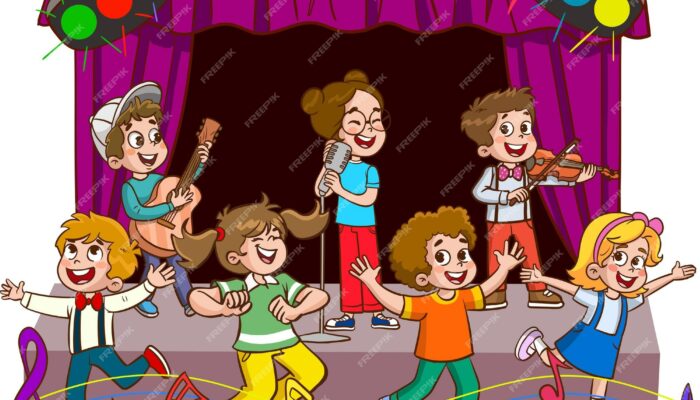
The act of dancing and singing constitutes a universal language that transcends cultural and linguistic boundaries. From jubilant celebrations to solemn rituals, these expressive forms have defined the human experience across epochs, evoking a spectrum of emotions from elation to melancholy. When these activities manifest within the dream state, they open a complex array of interpretations rooted in symbolism, spirituality, and psychology.
The Psychology of Dancing in Dreams
Dancing in dreams frequently serves as a manifestation of the soul’s desire for liberation. Generally, these dreams suggest a yearning for freedom, self-expression, and the reclamation of joy in one’s waking life. However, the interpretation varies based on the specific context of the dream:
- Rhythm and Harmony: The fluidity of your movements may reflect your current life rhythm. Harmonious dancing often indicates inner peace, while discordant movements may signal internal conflict.
- Social Context: Dancing with others often symbolizes a desire for social acceptance, communal bonding, or a healthy relationship with those around you.
- Solo Dancing: Dancing alone can represent independence and self-sufficiency, or conversely, a feeling of solitude.
The Symbolism of Singing in Dreams
While dancing focuses on physical movement and rhythm, singing in dreams is primarily associated with communication and the vocalization of the inner self. To sing in a dream is often to express thoughts or feelings that remain unspoken in the waking world.
Psychologically, singing may embody the dreamer’s highest aspirations or deepest doubts. It acts as a bridge between the private self and the collective consciousness, echoing the sentiment that a song provides a glimpse into the heart’s most intimate desires.
Spiritual and Cultural Perspectives
Across various faiths, dance and song are viewed as more than mere entertainment; they are seen as sacred tools for connecting with the divine.
Religious Interpretations
| Tradition | Perspective on Dance/Song | Spiritual Goal |
|---|---|---|
| Christianity | Forms of worship and praise | Honoring God and celestial connection |
| Sufism (Islam) | Ecstatic dance (Sema) and song | Divine union and spiritual ecstasy |
| General Mysticism | Rhythmic movement of the soul | Transcendental enlightenment |
Therapeutic and Cognitive Implications
Beyond the spiritual, the psychological significance of these activities is grounded in biological reality. In waking life, dancing releases endorphins—the “feel-good” hormones—which improve mental health. Similarly, singing is known to alleviate stress and enhance mood.
Cognitive theories suggest that the rhythm and melody associated with these acts stimulate heightened neurological activity, which can improve memory, focus, and problem-solving. In the context of dreams, these themes may appear as a form of psychological catharsis, allowing the subconscious to release pent-up emotions or process trauma through symbolic creative expression.
Interpreting the Future and Subconscious Desires
Dreams of dancing and singing often act as beacons of hope. When an individual dreams of dancing through a landscape, they may be envisioning a future characterized by liberation and joy. Singing may symbolize an anticipated articulation of desires that have long been suppressed.
“The dance of dreams intertwined with song is a rich tapestry that encourages a deeper understanding of the self and our connection to the collective human experience.”
By analyzing these dreams, individuals can gain profound insights into their internal conflicts and resolutions, guiding them toward a more harmonious existence.
FAQ
What does it mean if I am singing alone in a dream?
This may symbolize a feeling of solitude or a deep-seated yearning for a connection with others.
Is dancing in a dream always a positive sign?
Generally yes, but if the dance feels forced or discordant, it may reflect internal conflict or a lack of harmony in your waking life.
Why do I dream of singing when I cannot sing in real life?
Dream singing is often more about the 'voice' and the need to be heard or expressed than actual musical ability.


Leave a Reply