
Short Answer
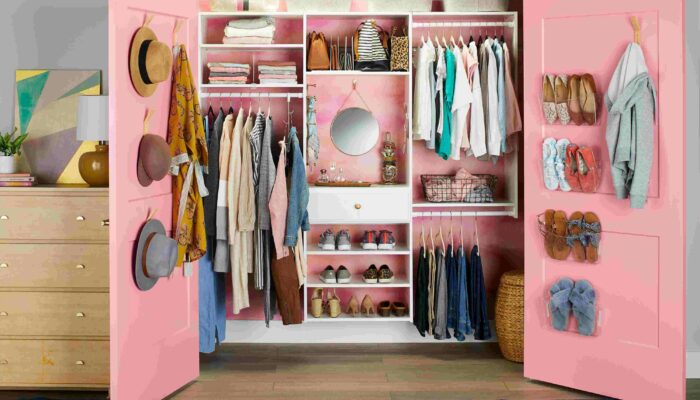
While closets are often viewed as mundane storage areas for clothing and accessories, in the realm of oneiric experience, they serve as powerful symbols. Dreaming of a closet typically reveals profound insights into a person’s psyche, spirituality, and symbolic existence. Because closets are designed to contain and conceal, they often act as metaphors for the parts of our lives we keep hidden from the world or even from ourselves.
Psychological Interpretations of the Closet
From a psychological perspective, the closet is frequently viewed as a repository for the subconscious mind. It may house repressed emotions, unresolved conflicts, or hidden desires that the dreamer is not yet ready to confront in their waking life.
The State of the Closet
The condition of the closet within a dream often mirrors the dreamer’s internal mental state:
- A Disorganized Closet: Reflects feelings of chaos, mental clutter, or an inability to manage personal affairs and emotional well-being.
- A Meticulously Arranged Closet: Signifies a sense of control, order, and a disciplined approach to one’s internal life.
- Searching Through a Closet: Indicates a quest for self-discovery or an attempt to uncover forgotten aspects of the personality to facilitate personal growth.
Actions and Their Meanings
The interaction with the closet door is particularly telling regarding the dreamer’s journey toward authenticity:
Closing the door may encapsulate a desire to conceal vulnerability, shame, or specific elements of one’s identity from external scrutiny. Conversely, opening the door symbolizes a readiness to embrace the full self and shed the burdens of secrecy.
Symbolism and Social Persona
Closets often represent the duality between the social persona (the face we show the world) and the inner reality (who we are in private). This tension manifests as a struggle between being seen and remaining unseen, urging the dreamer to reconcile these disparate facets of their identity to achieve self-actualization.
Spiritual Perspectives Across Cultures
Depending on the dreamer’s cultural or religious background, the closet can take on a more holistic and sacred meaning.
| Tradition | Symbolic Meaning of the Closet |
|---|---|
| Christianity | A metaphorical space for solitude, prayer, and intimate communion with the Divine. |
| Islamic Thought | An inner sanctum representing privacy, discretion, and the safeguarding of one’s spiritual journey. |
| Eastern Philosophy | The layers of the “self,” where different tiers of storage represent various stages of existence and consciousness. |
Conclusion: The Path to Integration
Ultimately, the dream meaning of a closet is a rich tapestry woven from psychological and spiritual threads. Whether it appears as a place of fear or a sanctuary of peace, the closet beckons the dreamer to explore the hidden depths of their existence. By acknowledging these symbols, individuals can navigate the delicate balance between their public personas and their hidden selves, leading to transformative personal growth.
FAQ
What does dreaming about a messy closet mean?
A messy closet often reflects feelings of disorder or unresolved issues in the dreamer's waking life, indicating a need to organize thoughts, emotions, or personal affairs.
What does opening a closet in a dream signify?
Opening a closet can symbolize readiness to explore hidden aspects of oneself, embracing authenticity, and confronting previously concealed emotions or memories.
Is a closed closet door in a dream a bad omen?
Not necessarily. A closed door generally suggests a desire for privacy or a fear of vulnerability rather than a negative omen.
How do cultural beliefs influence the dream meaning of a closet?
Traditions vary; for example, it may represent a private prayer space in Christianity or a symbol of discretion and inner sanctity in Islamic thought.
Can dreaming about a well-organized closet indicate personal growth?
Yes, a neatly arranged closet often reflects a sense of control, clarity, and effective management of one's emotions and life path.



Leave a Reply